A Guide to Pressure Washing Chemicals
Choosing the right cleaning product can make a major difference to the quality, safety and final appearance of an outdoor cleaning job. Water pressure is excellent for removing loose dirt, mud and surface grime, but some stains and organic growth need more than water alone. This is where carefully selected Pressure washing chemicals can support the cleaning process.
The important word is carefully. A product that works well on one surface may be unsuitable for another. The age and condition of the surface also matter. Natural stone, concrete, block paving, render, brick, decking and roof materials can all react differently to cleaning products.
At Jimmy's External Cleaning Services, we take a surface first approach when cleaning properties across Bradford and surrounding areas. Our aim is not simply to use the strongest product available. We consider the material, contamination, surrounding areas, drainage and condition of the surface before deciding whether a chemical treatment is appropriate.
This guide explains the main types of Pressure washing chemicals, how they are used in professional exterior cleaning and why correct product selection is so important.
What Are Pressure Washing Chemicals?
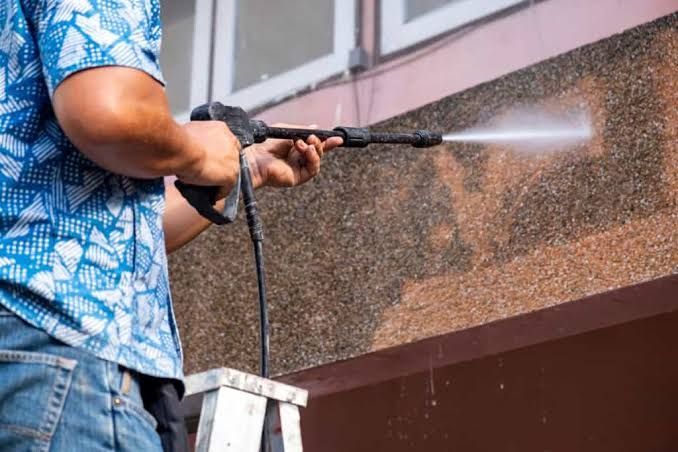
Pressure washing chemicals are cleaning products used alongside water and pressure washing equipment to help break down or treat specific types of contamination.
Pressure washing itself uses a high pressure water spray to remove materials such as dirt, mud, grime, mould and other deposits from surfaces. Wikipedia: Pressure washing
Water is often enough for loose dirt. However, certain contamination can be stubborn because it is bonded to the surface or contains oils, organic matter or other substances that water alone may not remove effectively.
Professional cleaning products may be designed to help with:
- Moss and algae
- Organic staining
- Oil and grease
- General traffic dirt
- Black marks
- Food and drink stains
- Biological growth
Some products are detergents, while others are treatments designed for a particular type of contamination.
The goal should always be controlled cleaning rather than simply using a stronger chemical.
Does Every Pressure Washing Job Need Chemicals?
No. Many outdoor cleaning jobs can be completed with water and suitable pressure control.
For example, a relatively clean concrete surface with loose mud may respond very well to pressure washing alone. Using additional products when they are not needed can add unnecessary work and may increase the risk of damage.
On the other hand, some surfaces have contamination that is difficult to remove with water alone. Moss, algae, grease and some dark organic marks may require additional treatment.
This is why professional exterior cleaning should begin with an inspection.
At Jimmy's External Cleaning Services, we look at the surface, the contamination and the condition of the area before choosing a cleaning method. This approach is especially useful in Bradford, where outdoor surfaces can experience frequent rain, damp conditions, shade and organic growth.
Our pressure washing surface cleaning service in Bradford explains how surface condition, material and pressure control all influence the cleaning process.
What Is the Difference Between Detergent and Treatment?
The words detergent and treatment are sometimes used as though they mean the same thing, but there is a useful difference.
A detergent is generally designed to help loosen and lift dirt so it can be removed more easily. Detergents contain cleaning agents known as surfactants, which help water interact with oily or difficult deposits. Wikipedia: Detergent
A treatment is more specific. It may be selected because the contamination is biological, heavily stained or particularly difficult to remove.
For outdoor cleaning, the correct product depends on what is actually causing the mark.
A general detergent may be suitable for everyday grime. A different treatment may be considered for moss or algae. An oil related stain may require another type of product.
Using the wrong product can waste time and may leave the customer with a surface that looks patchy or damaged.
What Products Are Used for Moss and Algae?
Moss and algae are common problems on outdoor surfaces, particularly in shaded and damp locations.
Algae are a diverse group of photosynthetic organisms and can grow in wet environments. Wikipedia: Algae
For this reason, a simple blast of water may remove visible growth while leaving some of the underlying contamination behind.
Professional exterior cleaners may use a suitable biological treatment before or after cleaning, depending on the surface and the cleaning system being used.
The purpose can be to loosen organic growth and help improve the overall result. In some situations, a suitable treatment may also help slow the return of unwanted growth.
The exact product should always be selected according to the surface manufacturer's guidance and the product label.
Jimmy's External Cleaning Services already uses a treatment based approach for suitable exterior surfaces. Our roof cleaning service, for example, uses a BioWash process designed to clean without aggressive pressure and includes a biocide protector to help reduce future lichen, algae and moss growth.
You can learn more about our roof cleaning service in Bradford and how a gentler method can be more suitable for delicate materials.
What Products Are Used for Oil and Grease?
Oil and grease behave differently from ordinary mud or soil.
Because these substances are oily, water alone may struggle to break them down effectively. A suitable degreasing product can help loosen the contamination before washing.
This is particularly relevant for driveways, garage entrances, commercial yards and areas where vehicles are regularly parked.
However, oil staining can penetrate porous materials. Even the correct Pressure washing chemicals cannot always restore a surface to its original appearance in a single visit.
The age of the stain, the porosity of the material and previous treatments can all affect the result.
A professional cleaner should therefore avoid making unrealistic promises about complete stain removal.
At Jimmy's External Cleaning Services, we assess the actual condition of the driveway or paved area before recommending a treatment. Our driveway cleaning service in Bradford is designed around the specific material and condition of the surface.
Can Acidic Cleaners Damage Natural Stone?
Yes.
Some acidic cleaners can damage certain natural stone surfaces, particularly materials that are sensitive to acids.
Natural stone is not one single material. Different stones have different chemical properties and levels of resistance.
Limestone and some other calcium based stones can be particularly vulnerable to acidic products. An unsuitable cleaner may alter the appearance of the stone, cause surface damage or leave an uneven finish.
This is one reason DIY chemical cleaning can become risky.
A product may appear effective because it removes the stain quickly, but fast removal does not automatically mean safe cleaning.
Products should always be checked against the specific surface. Where there is uncertainty, a small test area should be used before wider application.
It is also important to follow the manufacturer's safety information rather than relying on general cleaning advice from social media or online videos.
Can Strong Alkaline Cleaners Damage Surfaces?
Yes.
Alkaline products can be useful for certain types of dirt and grease, but stronger is not automatically better.
An unsuitable alkaline cleaner may affect delicate coatings, painted surfaces, sealers, timber and some other materials.
The risk increases when the product is too strong, left on the surface too long, allowed to dry or used without proper rinsing.
This is why experienced cleaners focus on controlled application rather than maximum strength.
The condition of the surface matters as much as its material. Older paving, worn coatings, cracked surfaces and previously damaged materials may react differently from new materials.
At Jimmy's External Cleaning Services, our exterior cleaning work across Bradford is based on the condition of the surface rather than a one size fits all treatment.
Why Should Cleaning Products Never Be Mixed?
Cleaning products should never be mixed unless the product manufacturer specifically states that they are compatible.
Combining chemicals can create unexpected reactions, harmful vapours or dangerous substances. It can also reduce the effectiveness of the products and make safe handling much more difficult.
This is particularly important with household products. More chemicals do not necessarily produce better cleaning.
A professional approach is to identify the contamination, choose one suitable product and use it according to the label and safety guidance.
Keeping products separate also makes it easier to control dilution, application and rinsing.
Anyone carrying out chemical cleaning should have access to the relevant product safety information and understand the required protective measures.
How Is the Correct Dilution Chosen?
Dilution should come from the product manufacturer's instructions.
There is no universal dilution that applies to every cleaner. Different products have different concentrations, ingredients and intended uses.
The correct dilution may also depend on the type of contamination and the surface being treated.
Too weak and the product may not perform properly.
Too strong and the risk of surface damage, plant damage and unnecessary chemical use can increase.
Professional cleaning is therefore about accurate preparation rather than guessing.
A measured approach is particularly important when working close to painted walls, windows, plants, lawns and other sensitive areas.
What is Dwell Time?
Dwell time is the period a cleaning product remains on the surface before it is rinsed or otherwise removed.
Allowing a suitable product to work for the correct amount of time can help loosen contamination without needing unnecessary pressure.
However, dwell time should not simply mean leaving a product on the surface for as long as possible.
Some products must not be allowed to dry. Weather conditions can also change how quickly a surface dries.
Bright sunlight, warm temperatures, wind and porous surfaces can all affect the behaviour of a cleaning product.
Following the product instructions is therefore essential.
A controlled dwell time can often support better cleaning while reducing the temptation to increase pressure unnecessarily.
How Are Nearby Plants Protected?
Protecting plants is an important part of responsible exterior cleaning.
Before applying Pressure washing chemicals, the cleaner should identify nearby lawns, flower beds, trees, shrubs and other vegetation.
Depending on the product and situation, precautions may include moving vulnerable items, wetting nearby plants, shielding sensitive areas and rinsing surrounding surfaces appropriately.
The exact precautions should depend on the product label and the site conditions.
It is important not to make unsupported claims that a particular chemical is completely harmless to plants. Safety depends on the product, concentration, exposure and application method.
A professional cleaner should consider the whole property rather than focusing only on the dirty surface.
How Should Dirty Cleaning Water Be Controlled?
Dirty runoff should be considered before cleaning begins.
Pressure washing can move sediment, dirt, oils, cleaning products and other contamination across a property.
Good site preparation helps control where this water travels.
The cleaner should consider drains, slopes, surrounding ground and nearby areas. Excess water should not simply be directed toward places where it may cause a separate problem.
The correct approach depends on the site, the type of contamination and local requirements.
This is especially important for commercial properties and areas where oil or other pollutants may be present.
Responsible cleaning is about controlling the whole process, not simply creating a clean looking surface.
What Personal Protection is Needed?
Chemical cleaning can involve hazards, so suitable personal protection is important.
Depending on the product, the work may require protective gloves, eye protection, suitable footwear and other protective equipment.
The exact equipment should always be based on the product safety information and the task being completed.
Pressure washing itself also presents risks. High pressure water can cause injury, and wet surfaces can become slippery.
Anyone carrying out exterior cleaning should understand both the chemical and mechanical risks involved.
Children and pets should also be kept away from active cleaning areas until the job has been completed and the area is safe.
Why Should the Surface Be Tested First?
A small test area can reveal how a surface reacts before the product is used more widely.
This matters because even apparently identical surfaces can differ.
One section of paving may be older, more porous or more weathered than another. A sealer may have been applied in the past. Previous cleaning treatments may also have changed the surface.
Testing helps identify problems such as colour change, streaking, surface reaction or unexpected results.
The test area should be representative of the wider surface, rather than being chosen from a hidden spot that is unusually clean or new.
If a cleaner cannot confidently establish that a product is suitable, it may be better to use a gentler method or seek further advice.
When Is Professional Chemical Treatment Safer?
Professional chemical treatment can be safer when the surface is valuable, delicate, heavily contaminated or difficult to identify.
This includes situations involving:
- Natural stone
- Older patios
- Large driveways
- Heavy moss growth
- Oil and grease staining
- Sensitive wall coatings
- Roof materials
- Commercial exterior surfaces
A professional cleaner can assess whether chemical treatment is actually needed and combine it with suitable pressure, equipment and rinsing.
The aim is not to use as many Pressure washing chemicals as possible. The aim is to use the right method for the problem.
Jimmy's External Cleaning Services provides exterior cleaning across Bradford and nearby areas including Shipley, Baildon and Bingley. Our services cover driveways, patios, roofs, decking, render, brickwork and other outdoor surfaces.
Our stone, brick and render cleaning service also explains why delicate wall materials should not automatically be cleaned with aggressive pressure.
What Chemicals Do Pressure Washing Companies Use?
Pressure washing companies may use different types of detergents, degreasers and biological treatments depending on the contamination and surface.
There is no single chemical that is correct for every job.
The appropriate product may depend on whether the problem is general dirt, grease, moss, algae, organic staining or another type of contamination.
Professional cleaners should select products according to manufacturer instructions and surface suitability.
Can Pressure Washing Chemicals Damage Paving?
Yes. Pressure washing chemicals can damage paving when an unsuitable product, concentration or application method is used.
Natural stone and other delicate materials can be particularly sensitive.
Pressure itself can also cause damage if it is too strong or poorly controlled.
This is why chemical choice and pressure control should be considered together.
Are Pressure Washing Chemicals Safe for Pets?
Some products may be suitable for particular applications when used exactly according to their labels, but it would be unsafe to describe all Pressure washing chemicals as pet safe.
Pets should be kept away from the cleaning area during application and until the surface has been properly rinsed and the cleaner confirms that the area is safe to access.
Why Professional Product Selection Matters in Bradford
Outdoor surfaces in Bradford face changing weather throughout the year. Rain, dampness, shade, leaves, moss and regular foot or vehicle traffic can all contribute to surface contamination.
That means cleaning should be based on the actual condition of the property.
A driveway in a sunny open position may need a different approach from a shaded patio surrounded by mature trees. An older sandstone patio may require a completely different method from block paving.
At Jimmy's External Cleaning Services, we understand that exterior cleaning is not simply about applying the highest pressure or strongest product.
It is about getting the balance right.
Our approach considers the material, contamination, cleaning pressure, treatment requirements and condition of the surrounding area.
You can also read our guide on how to pressure wash a patio safely and effectively for more information about preparation, testing, rinsing and surface protection.
The right Pressure washing chemicals can make exterior cleaning more effective, but chemical selection should never be based on strength alone.
The best approach is to identify the contamination, understand the surface and choose a suitable product that can be applied, controlled and rinsed safely.
Correct dilution matters. Dwell time matters. Surface testing matters. Plant protection matters. Runoff control matters.
Most importantly, not every surface needs chemicals at all.
For homeowners in Bradford, choosing an experienced local exterior cleaning company can reduce the risk of unnecessary damage and help ensure the cleaning method matches the property.
Jimmy's External Cleaning Services provides professional driveway cleaning, patio cleaning, roof cleaning, decking cleaning, render cleaning, brick cleaning and pressure washing services across Bradford and surrounding areas.
If your driveway, patio, roof or outdoor surface is covered with moss, algae, dirt, grease or stubborn staining, contact Jimmy's External Cleaning Services for a professional assessment and a free quote.
Need help choosing the right cleaning method? Contact Jimmy's External Cleaning Services today and get your Bradford property looking cleaner, safer and better maintained.