How to Clean Throw Up From Carpet Fast - Act Now Safely
Finding vomit on your carpet is unpleasant, but acting quickly can make the cleaning much easier. The main aim is to remove the mess without pushing it deeper into the carpet or spreading the stain across a larger area.
If you want to know how to clean throw up from carpet, start by removing the solid material carefully. Then absorb as much liquid as possible before applying any cleaning product. Always blot rather than scrub and make sure the carpet dries fully afterwards.
The correct cleaning method depends on the carpet material, the size of the affected area and how long the mess has been there. Wool, synthetic carpet, deep pile carpet and delicate fibres can all react differently to moisture and cleaning products.
This guide explains
how to clean throw up from carpet safely, how to control stains and smells, and when Bradford homeowners may need professional cleaning advice.
What to Do Immediately After Someone Throws Up
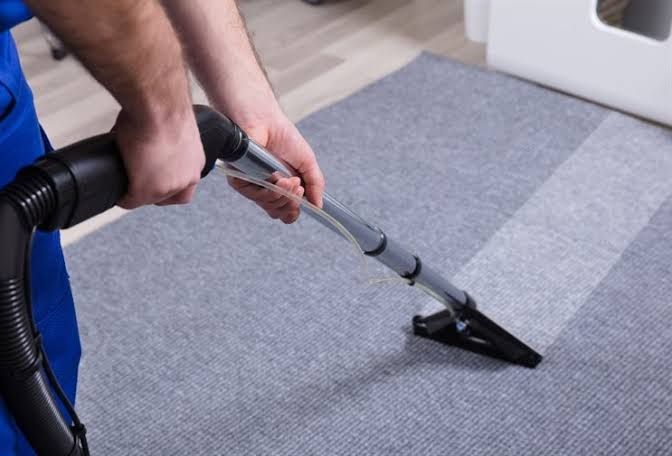
Your first response can make a big difference.
Before cleaning the carpet, make sure the person who has been sick is comfortable and away from the affected area. Keep children and pets away while you clean.
Wear disposable gloves before touching the mess.
Do not immediately pour water or cleaning liquid onto the carpet. Adding liquid before removing the solid material can spread the contamination and push it deeper into the fibres.
Start by checking how large the affected area really is. Vomit can splash beyond the obvious central patch, so look around furniture legs, nearby flooring and the edges of the carpet.
When learning how to clean throw up from carpet, remember this simple order:
• Remove the solid material
• Absorb the liquid
• Treat the remaining stain
• Remove cleaning residue
• Deal with the smell
• Dry the carpet completely
Working in this order helps keep the affected area under control.
What Cleaning Supplies You Need
You do not need dozens of cleaning products.
For most fresh accidents, prepare:
• Disposable gloves
• A rubbish bag
• A spoon or blunt scraper
• Stiff card if needed
• White kitchen paper
• Clean white cloths
• Cool or slightly warm water
• A carpet suitable stain cleaner
• A small bowl or spray bottle
• Dry towels
• A fan if available
A carpet cleaner made for organic stains may also be useful.
Always read the cleaning product label before applying it. Check whether it is suitable for your carpet material.
White cloths are useful because you can clearly see what is being removed from the carpet. They also reduce the chance of colour from a towel transferring onto a light carpet.
Avoid mixing several cleaning products together.
How to Remove the Mess Without Spreading It
Removing the main mess carefully is one of the most important parts of how to clean throw up from carpet.
Use a spoon, stiff card or blunt scraper to lift solid material from the carpet.
Start around the outer edge of the mess and gradually move towards the centre. This helps contain the stain rather than pushing it outwards.
Keep the scraper almost flat against the carpet. Avoid digging down into the pile because this can force material between the fibres.
Place everything directly into a rubbish bag.
Use fresh kitchen paper to pick up smaller particles.
Do not use a normal household vacuum cleaner on fresh vomit. Wet material can enter the vacuum and create another cleaning problem.
Once the solids have been removed, you can start dealing with the moisture.
For another closely related guide, you can also read our advice on
how to clean vomit from carpet.
Why Scrubbing Can Make the Stain Worse
Scrubbing often feels like the natural way to remove a difficult stain.
With carpet, it can make things worse.
Fast rubbing can spread liquid across neighbouring fibres. It can also push contaminated moisture further down towards the carpet backing.
Aggressive rubbing may change the texture of the pile as well.
This is especially important with wool, loop pile carpets and softer fibres.
The safer method is usually blotting.
Blotting allows an absorbent cloth to lift moisture upwards instead of moving it sideways.
If you remember only one rule about how to clean throw up from carpet, remember this:
Press and lift rather than scrub.
How to Blot the Affected Carpet
After removing the solid material, place several sheets of white kitchen paper over the damp area.
Press down gently.
Lift the paper away and replace it with clean sheets.
Continue until very little liquid transfers onto the paper.
Next, use a clean white cloth to blot deeper into the pile. Fold the cloth several times so it can absorb more moisture.
Do not twist or rub the cloth against the fibres.
Work from the outside of the affected area towards the middle. This helps prevent the visible stain from getting larger.
Take your time.
Removing as much liquid as possible at this stage means you need less cleaning solution later.
Choosing a Carpet Safe Cleaner
Not every household cleaning product belongs on carpet.
Before choosing a cleaner, check what your carpet is made from.
Common carpet materials include:
• Polypropylene
• Polyester
• Nylon
• Wool
• Wool blends
Some specialist carpets use more delicate natural materials that require extra care.
Look for a cleaning product that clearly states that it is suitable for your carpet type.
Test the cleaner on a small hidden area first. A corner behind furniture can be useful.
Allow the test area to settle and check for:
• Colour change
• Dye transfer
• Fibre damage
• A sticky feeling
• A visible ring
If something changes, stop using the product.
Knowing how to clean throw up from carpet is not about finding the strongest chemical. A mild product that suits the fibre is normally a better choice than an aggressive cleaner that could damage the carpet.
For general background about professional and domestic
carpet cleaning methods, you can also read the
Wikipedia guide to carpet cleaning.
How to Treat Coloured Stains
Vomit stains are not always one colour.
Food, drinks, medicines and other contents can leave red, orange, yellow or brown marks.
Once most of the moisture has been removed, apply a small amount of suitable carpet stain cleaner according to the product instructions.
Avoid pouring cleaner directly over a large area unless the instructions specifically tell you to do so.
Instead, control how much liquid reaches the carpet.
Blot gently using a clean white cloth.
Keep changing to a clean section of cloth as colour transfers from the carpet.
Work from the outside towards the centre.
Do not expect every stain to disappear immediately. A wet carpet may also look darker, so give it time to dry before deciding whether another treatment is needed.
If carpet colour itself starts transferring onto your cloth, stop.
More cleaning may cause permanent colour loss.
How to Remove Remaining Moisture
Once the visible stain has been treated, moisture becomes the next concern.
Too much water can carry contamination and cleaning product deeper into the carpet.
If the cleaning product instructions require rinsing, use a small amount of clean water.
A damp white cloth can give you more control than pouring water directly onto the carpet.
Blot again immediately.
Then place a clean dry towel over the area and apply gentle pressure.
Replace the towel when it becomes damp.
A major part of how to clean throw up from carpet is controlling moisture rather than soaking the area.
If the carpet backing becomes heavily wet, drying becomes more difficult and the underlay may also be affected.
How to Deal With Unpleasant Smells
A stain may disappear while the smell remains.
This usually means some organic material is still present or moisture has travelled deeper than expected.
Do not try to solve the problem by spraying perfume or room fragrance over the carpet.
Fragrance may hide the smell for a short time, but it does not remove the cause.
A carpet safe cleaner made for organic stains and odours may be more useful. Some products use enzymes designed to help break down organic residue.
Always check compatibility with your carpet first.
Products suitable for one synthetic carpet may not be suitable for wool or another natural fibre.
Good ventilation also matters.
Open windows if conditions allow and move fresh air through the room.
If the smell disappears while the carpet is dry but returns later, especially when the room becomes warm, contamination may remain deeper in the carpet or underlay.
How to Dry the Carpet Completely
Drying should never be treated as an afterthought.
A carpet can look clean while remaining wet underneath.
After blotting, keep the affected area uncovered.
Move furniture away from it.
Open nearby doors and windows where practical.
A fan can help move air across the surface. A dehumidifier may also help in a humid room.
Do not place rugs or furniture over the damp patch.
Avoid using extreme heat to force the area dry. Excessive heat may affect some carpet fibres or backing materials.
When checking whether the carpet is dry, compare the cleaned area with unaffected carpet nearby.
If it still feels noticeably cool or damp, give it more time.
Complete drying is a vital part of
how to clean throw up from carpet because trapped moisture can contribute to lingering smells.
How to Check for Fibre Damage
Once the carpet has dried, inspect it in normal daylight.
Look from different directions because carpet pile can reflect light differently depending on how the fibres are lying.
Check for:
• Faded colour
• Flattened fibres
• Rough patches
• Sticky residue
• A visible cleaning ring
• Changes in texture
A pale area is not always a remaining stain. It could be colour loss.
If carpet dye has already been removed, applying more stain cleaner will not restore the original colour.
Sticky fibres can sometimes mean too much cleaning product has been left behind.
Follow the product instructions for removing residue rather than repeatedly applying additional cleaner.
What Not to Use on Carpet
A difficult smell can tempt people to use whatever strong product they have nearby.
That can damage the carpet.
When deciding how to clean throw up from carpet, avoid using products without first checking that they are suitable for the fibre.
Be especially careful with:
• Household bleach
• Strong bathroom cleaner
• Oven cleaner
• Washing powder
• Strong washing up liquid solutions
• Undiluted household chemicals
• Boiling water
• Strong fragrance sprays
• Unknown homemade chemical mixtures
Never mix cleaning chemicals.
You should also avoid soaking the carpet simply because the stain is difficult.
More water does not automatically mean better cleaning.
When Repeated Cleaning Can Cause Problems
Sometimes people clean the same stain again and again because a faint mark remains.
Repeated wet cleaning can eventually become part of the problem.
Every treatment adds moisture and cleaning product to the carpet.
Too much moisture can reach the backing and underlay. Too much detergent may leave residue that attracts dirt or changes the feel of the carpet.
Repeated rubbing can also damage the pile.
Allow the carpet to dry fully before judging the result of the first treatment.
If the stain remains, consider the carpet material, the products already used and whether the contamination could have reached deeper layers.
Knowing when to stop is part of knowing
how to clean throw up from carpet correctly.
When to Contact a Carpet Cleaner in Bradford
Small, fresh accidents can often be handled at home.
Professional advice becomes more useful when the problem is larger or more difficult.
Consider getting help when:
• The stain covers a large area
• The mess was left for a long time
• A strong smell keeps returning
• The carpet remains damp
• Liquid may have reached the underlay
• The carpet is wool or another delicate material
• The colour starts changing
• Previous cleaning has not worked
• You are worried about damaging an expensive carpet
Bradford homes contain many different carpet materials, ages and pile types. There is no single cleaning method that suits every carpet.
For people in Bradford who are unsure what to do next, Jimmy's External Cleaning Services provides a local point of contact for cleaning enquiries. You can explain the type of carpet, the size of the affected area and what products have already been used so the condition can be considered before further cleaning is attempted.
The aim is not to keep applying stronger products. It is to find the most suitable cleaning approach while reducing the chance of unnecessary carpet damage.
Frequently Asked Questions
What is the quickest way to clean throw up from carpet?
The quickest safe method is to put on gloves, remove solid material, blot up as much liquid as possible, apply a suitable carpet cleaner, remove residue according to its instructions and dry the area completely.
When following how to clean throw up from carpet, avoid scrubbing because it can spread the stain.
Should I use hot water?
Very hot water is not necessary for normal spot cleaning and may not suit every carpet.
Follow the temperature guidance provided by the carpet manufacturer and your chosen cleaner. Cool or slightly warm water is often easier to control.
Can I use baking soda?
Baking soda is commonly used for household odours, but it is not a replacement for removing contamination and properly cleaning the carpet.
If you plan to use any powder, first check whether it is suitable for the carpet and whether your vacuum cleaner manufacturer allows that material to be vacuumed.
Why does the carpet still smell after cleaning?
The most common reason is that some residue or moisture remains within the carpet.
Liquid may also have reached the backing or underlay.
Allow the carpet to dry fully first. If the smell returns afterwards, deeper contamination may need attention.
Can I use bleach on the stain?
Bleach can remove colour and damage some fibres.
Do not use it unless the carpet
manufacturer clearly confirms that it is suitable for your particular carpet.
A product designed for carpet is normally the safer starting point.
Can I clean dried throw up from carpet?
Yes, many dried marks can still be treated.
Lift away loose material carefully without aggressive scraping. Apply a small amount of suitable cleaner according to its instructions and allow it to loosen the remaining residue.
Blot rather than scrub.
Should I use a carpet cleaning machine?
A domestic machine may be useful for some carpet cleaning jobs, but you should never run it directly over solid vomit.
Check the machine instructions before dealing with contaminated material.
If illness may be contagious or the affected area is large, professional advice can be more appropriate.
How do I know if the underlay has been affected?
It can be difficult to tell from the surface alone.
A smell that repeatedly returns, excessive wetness or a large liquid spill can suggest that moisture travelled beneath the carpet.
Avoid lifting fitted carpet unless you understand how it is secured. Carpet grippers can be sharp and the carpet may need professional refitting.
How long should carpet take to dry?
There is no single drying time.
It depends on carpet thickness, how much moisture was used, airflow, room temperature and indoor humidity.
Using controlled amounts of water and improving ventilation can help the carpet dry sooner.
Keep the Stain Small and Act Early
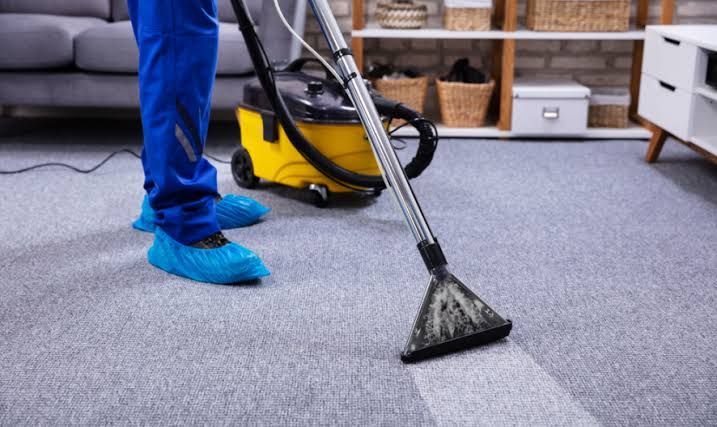
Learning how to clean throw up from carpet is mainly about acting carefully rather than using aggressive cleaning methods.
Start by containing the mess. Lift the solid material without pushing it further into the carpet. Blot away moisture using white towels. Test a suitable carpet cleaner before treating the visible stain.
Keep the amount of water under control and make sure the carpet dries fully.
Most importantly, stop if you notice colour transfer, fibre changes or a stain that becomes worse after treatment.
If the stain is large, the smell keeps returning or the carpet needs more attention than normal home cleaning can provide, Jimmy's External Cleaning Services can be contacted by Bradford residents to discuss the problem and the most sensible next step.
Taking the right approach early can help protect the carpet while preventing a small accident from becoming a much larger cleaning problem.