How to Clean Upholstery Fabric
Knowing how to clean upholstery fabric helps you remove dirt and stains without ruining your sofa or chairs. But not every fabric can be cleaned in the same way. Cotton, linen, polyester, wool, velvet and microfibre all need different care.
Before cleaning, check the fabric type, colour stability, surface texture, backing and manufacturer's instructions. Some materials can handle water, while others may shrink, fade or develop marks.
Using the wrong cleaner can leave your furniture looking worse than before.
This guide explains
how to clean upholstery fabric at home, which methods suit different materials and when to call a professional upholstery cleaner in Bradford.
How to Clean Upholstery Fabric
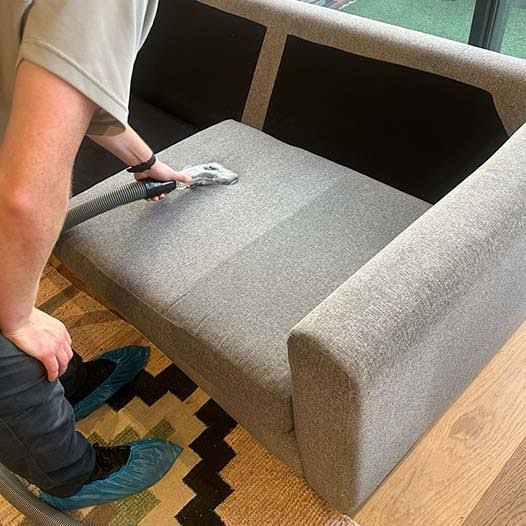
The safest way to clean upholstery starts with checking the material.
A polyester sofa may handle a cleaning product that could damage a wool armchair. Even furniture made from the same fibre can have different cleaning needs.
Follow these steps before cleaning:
- Check the furniture care label.
- Vacuum the surface to remove dust and crumbs.
- Identify the fabric and its cleaning instructions.
- Test an approved cleaner on a hidden area.
- Clean gently without soaking the material.
- Allow the furniture to dry completely.
Avoid using strong detergents or pouring water directly onto your sofa.
The main rule of
how to clean upholstery fabric is simple. Check the material first, then choose the cleaning method.
What is Upholstery Fabric?
Upholstery fabric is the material used to cover sofas, armchairs, dining chairs, footstools and other padded furniture.
It is made to handle regular sitting, movement and daily wear.
Common upholstery materials include cotton, linen, polyester, wool, velvet and microfibre.
Some fabrics have a smooth surface, while others have a soft pile or thick woven texture.
The material may also contain coatings, adhesives or backing layers that affect cleaning.
As explained in Wikipedia's guide to upholstery, upholstered furniture includes coverings, padding and supporting materials.
Good
upholstery fabric care means protecting the visible material and the layers beneath it.
Natural Fabric Compared With Synthetic Fabric
Upholstery fabrics generally fall into two groups: natural and synthetic.
Natural fabrics include cotton, linen and wool. They come from plants or animals and are often chosen for their comfort and appearance.
However, many natural fibres absorb moisture and can shrink or change shape during cleaning.
Synthetic fabrics include polyester, nylon and many types of microfibre.
These materials are often durable and easier to maintain, although they are not always safe to wash.
A synthetic fabric may still have delicate dyes, coatings or backing.
When deciding
how to clean upholstery fabric, the fibre type is only the starting point. The complete fabric construction matters too.
Cotton Upholstery Fabric
Cotton is soft, breathable and comfortable. It is commonly used on sofas, cushions and armchairs.
However, cotton absorbs liquid quickly.
Spills can spread through the material, and too much water may cause shrinkage or brown marks.
For cotton upholstery:
- Vacuum regularly to remove surface dirt.
- Blot spills with a clean white cloth.
- Use an approved fabric cleaner if the label allows it.
- Avoid soaking or scrubbing the material.
Do not put removable cotton covers in the washing machine unless the manufacturer says they are washable.
For stained cotton furniture,
furniture fabric cleaning should begin with a small test in an unseen area.
Linen Upholstery Fabric
Linen is popular for its natural appearance and light texture.
It looks attractive on sofas and occasional chairs, but it can wrinkle, shrink and develop water marks.
Rubbing linen too hard may also damage its surface.
For regular cleaning, use a vacuum with a soft upholstery attachment.
Blot spills immediately and avoid using large amounts of water.
Only use cleaning products allowed by the manufacturer's instructions.
For stubborn stains, professional cleaning may be safer than trying several household products.
Good
sofa fabric care can help linen furniture keep its shape and appearance.
Polyester Upholstery Fabric
Polyester is common in modern furniture because it is durable and usually holds its shape well.
It is often used on family sofas, dining chairs and everyday seating.
Many polyester fabrics can handle controlled moisture, but the cleaning label must still be checked.
Body oils and everyday dirt often collect around armrests and headrests.
Vacuum the material first to remove loose dirt.
If cleaning is permitted, apply a suitable upholstery product as directed and avoid excessive moisture.
Do not use bleach or strong household detergents.
Although polyester is strong, its backing and surface finish may still be damaged by unsuitable cleaning.
Wool Upholstery Fabric
Wool is warm, comfortable and naturally resilient.
It is often found on traditional sofas and quality armchairs.
However, wool can shrink or become felted when exposed to too much heat, moisture or rubbing.
Strong cleaning products may also damage the fibres.
Regular vacuuming is the safest routine treatment for many wool fabrics.
If a spill occurs, blot it carefully with a clean cloth.
Avoid using hot water or ordinary laundry detergent.
For large stains or heavy soiling, ask a professional cleaner to check the material before treatment.
Microfibre Upholstery Fabric
Microfibre is made from very fine synthetic fibres, often polyester or a polyester blend.
It has a soft feel and is commonly used on sofas and armchairs.
Some microfibre materials can be cleaned with water based products, while others require specialist care.
Using the wrong product may leave rings or change the fabric's texture.
To maintain microfibre upholstery, vacuum regularly and check the care label before treating stains.
For fabrics that permit brushing, a soft upholstery brush may help restore the surface after cleaning.
Avoid harsh scrubbing, which can flatten or damage the fibres.
Velvet Upholstery Fabric
Velvet has a soft, raised surface that gives furniture a rich appearance.
It can be made from cotton, polyester, silk, viscose or mixed fibres.
This means velvet furniture does not have one cleaning method that suits every piece.
Water, pressure and rubbing may disturb the pile, leaving visible patches.
For basic care, remove dust gently with a suitable vacuum attachment.
Avoid applying water or stain remover unless the care instructions allow it.
Some velvet fabrics need specialist cleaning, particularly silk and viscose velvet.
When dealing with velvet, knowing
how to clean upholstery fabric also means knowing when to leave a stain to a professional.
Mixed Fibres
Many sofas contain more than one type of fibre.
A fabric may combine cotton with polyester or linen with viscose.
These combinations help manufacturers create different textures, colours and levels of durability.
However, each fibre can react differently to cleaning.
One material may tolerate moisture while another shrinks or loses its shape.
Check the full fabric label before choosing a cleaning product.
Do not assume a mixed fabric is washable because it contains polyester.
If the label is missing, contact the furniture manufacturer or ask a professional for advice.
How to Check Whether Colour Is Stable
Colour stability means how well fabric keeps its colour when exposed to moisture, cleaning products or rubbing.
Some upholstery fabrics release dye during cleaning.
This may cause fading, patchy marks or colour transfer.
Before cleaning, carry out a small test.
- Choose a hidden area of the furniture.
- Check that the proposed product is approved for the fabric.
- Apply a small amount of the product to a clean white cloth as directed.
- Press gently against the test area.
- Look for dye transfer and allow the fabric to dry fully.
- Check for fading, rings or changes in texture.
If colour transfers onto the cloth, stop cleaning.
Dark fabrics, patterned materials and delicate textiles deserve particular care.
A successful test does not guarantee that the whole sofa will react in the same way, but it helps reveal some cleaning risks.
Colour testing is one of the most useful steps in
how to clean upholstery fabric safely.
Why Fabric Backing Matters
Upholstery fabric often has another layer attached underneath it.
This backing helps support the material and maintain its shape.
Some fabrics contain adhesive coatings, latex or other backing materials.
These layers may react badly to water even when the outer fabric looks washable.
Excess moisture can weaken adhesives or cause discolouration.
Water may also reach the cushion filling, wooden frame or metal parts.
This can lead to unpleasant smells, staining and slow drying.
For this reason, upholstery material cleaning should always consider the layers beneath the surface.
A sofa may look dry on the outside while the padding remains damp.
Choosing a Suitable Cleaning Method
Choosing a cleaning method depends on the fabric, its condition and the manufacturer's instructions.
Some furniture has cleaning codes printed on the label.
Understanding Upholstery Cleaning Codes
Code
Meaning
W
Suitable water based upholstery cleaners may be used.
S
Requires a suitable solvent based cleaner.
WS
Certain water based or solvent based cleaners may be suitable.
X
Vacuuming or gentle brushing only.
These codes are not used on every UK furniture label, so always follow the full manufacturer's instructions.
A W code does not mean the entire sofa can be soaked or machine washed.
Common Upholstery Cleaning Methods
Vacuum cleaning: Removes dust, crumbs, pet hair and loose dirt.
Surface cleaning: Uses a suitable cleaner and controlled moisture on fabrics that allow it.
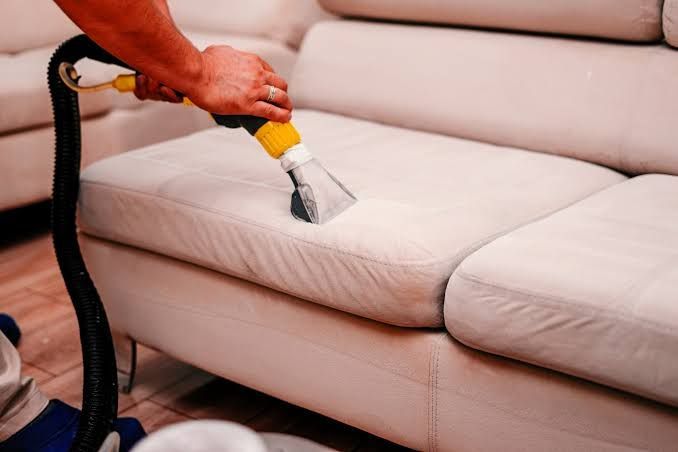
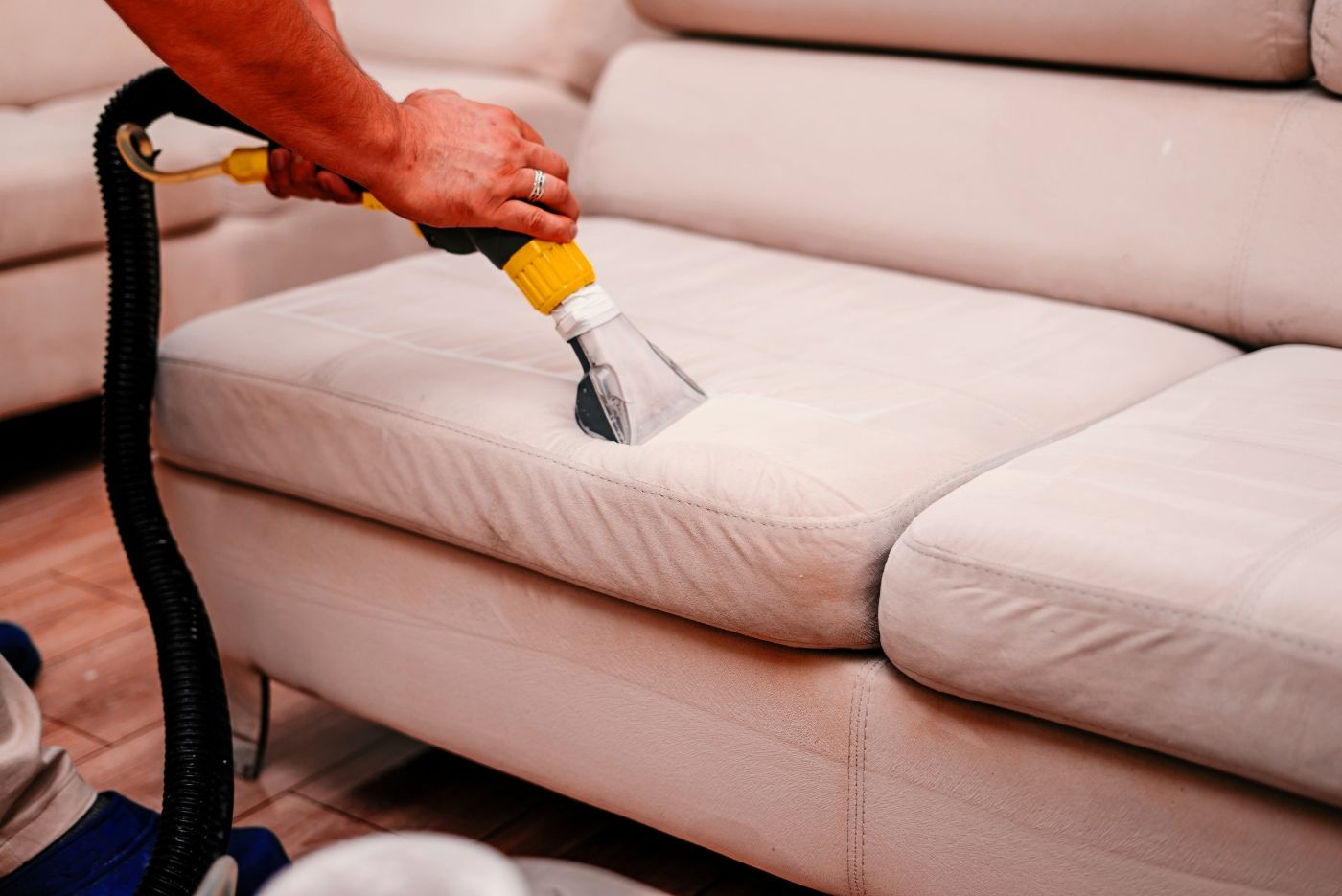
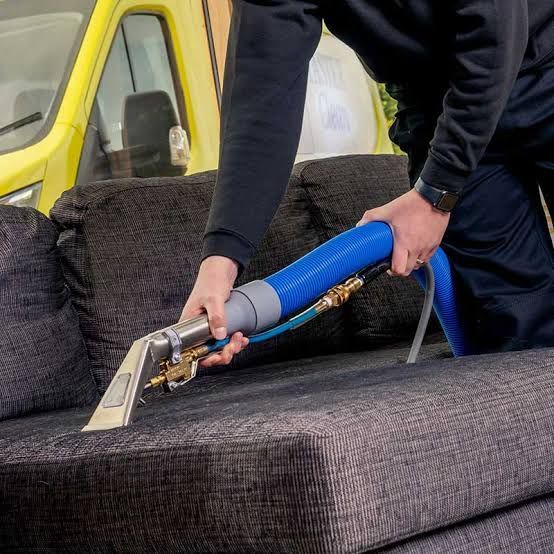
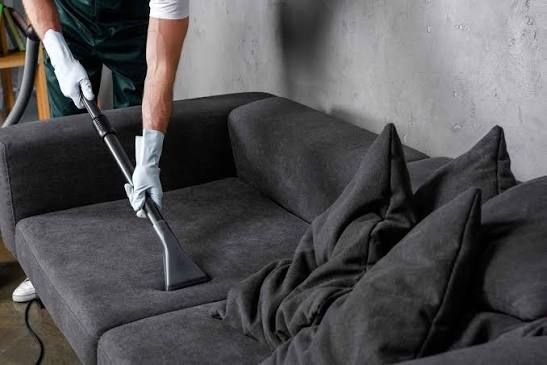
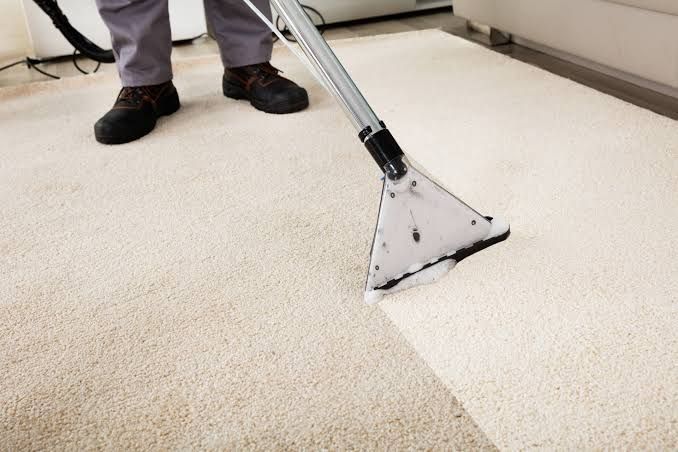
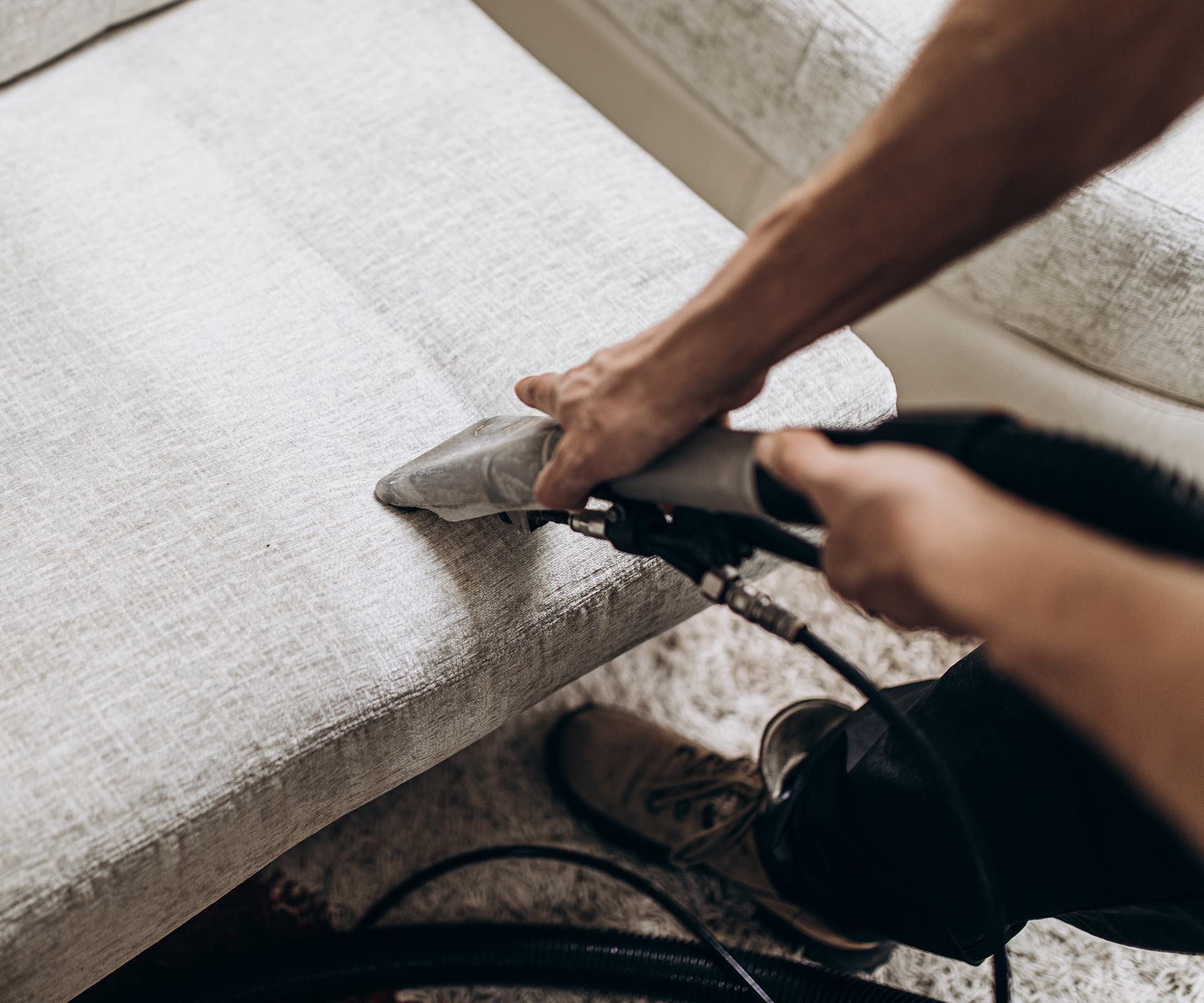
Extraction cleaning: Uses specialist equipment to apply cleaning solution and remove dirty moisture from compatible fabrics.
Specialist solvent cleaning: Used for certain materials that cannot tolerate water based treatment.
Before deciding how to clean upholstery fabric, check which method the manufacturer permits.
Never assume a carpet cleaning machine is suitable for your sofa.
Frequently Asked Questions
What can I use to clean upholstery fabric?
Use a vacuum for dust and a suitable upholstery cleaner for stains. Always check the care label and test the product first.
Are all upholstery fabrics washable?
No. Some fabrics need specialist cleaning, while others only allow vacuuming. Follow the manufacturer's instructions.
How can you identify upholstery fabric?
Check the furniture label for fibre content and cleaning instructions. If it is missing, contact the manufacturer.
Can I clean upholstery fabric with water?
Only if the care instructions allow water based cleaning. Avoid soaking the furniture.
Who provides upholstery cleaning in Bradford?
Jimmy's External Cleaning Services provides sofa, armchair and dining chair cleaning in Bradford. Call 01274 003022 for a free quote.