How Do You Clean Upholstery?
How do you clean upholstery? Follow five steps: inspect the furniture, vacuum loose dirt, test an approved cleaning product, clean gently according to the care instructions, and let everything dry fully. Check the manufacturer’s guidance before using water, detergent or a cleaning machine.
A sofa can look reasonably clean while crumbs collect beneath the cushions and everyday grime builds up on the arms. However, reaching straight for a cleaning spray can create another problem. Too much water, rough brushing or the wrong product may leave marks or change the fabric’s texture.
This guide explains the
upholstery cleaning steps from the first inspection to the final drying check. It covers everyday care for fabric sofas and chairs, with advice on when to ask for professional help in Bradford.
How Do You Clean Upholstery?

The answer to how do you clean upholstery starts with understanding the furniture. A method that suits one chair may damage another, even when both fabrics look similar.
Upholstery includes the covering and the materials beneath it, such as padding and springs. The Wikipedia guide to upholstery explains these parts and how they form upholstered furniture. Cleaning decisions need to account for more than the visible surface. Wikipedia
Prepare a vacuum cleaner with an upholstery attachment, clean white cloths and a product approved for your fabric. Keep the care instructions nearby.
This process mainly covers fabric seating. Leather, suede and specialist finishes need their own care methods.
Step One: Inspect the Furniture
Before cleaning, look closely at the seat, back, arms and cushion edges. Use good lighting so you can see differences in colour and condition.
Check for loose stitching, worn patches, snagged threads and damaged trim. Take photographs of existing marks, particularly if you plan to compare the results later.
Try to identify what caused each stain. A greasy food mark needs a different approach from dry mud or a drink spill. Note any products already applied.
When asking how do you clean upholstery, first decide whether the problem is dirt or damage. Cleaning cannot rebuild worn fibres or reverse sun fading.
Move small belongings away from the furniture. For powered recliners, follow the manufacturer’s instructions for disconnecting power and protecting electrical parts before cleaning.
Step Two: Read the Care Information
Look beneath cushions, under the frame or in the paperwork supplied with the furniture. If the label is missing, contact the retailer or manufacturer.
Some furniture uses cleaning codes:
Code
General meaning
W
A suitable water based upholstery cleaner may be allowed
S
A suitable solvent based cleaner is required
WS or SW
Certain water based or solvent based products may be allowed
X
Vacuuming or light brushing only, with no liquid cleaner
These codes do not replace the full instructions. A W label does not automatically permit soaking, steam treatment or machine washing. Manufacturer guidance may limit cleaning to spot treatment. La-Z-Boy
Do not substitute household solvents for an upholstery product. Where solvent cleaning is required, professional advice is a sensible starting point.
Step Three: Vacuum Loose Dirt
Vacuum before applying any cleaning product. Otherwise, loose dust and crumbs can become wet residue that spreads across the fabric.
Start at the top of the backrest and work downwards. Use the upholstery attachment with light pressure, covering the arms, seat fronts and cushions.
Remove loose cushions where the design allows. Vacuum the seat platform and the spaces beside the arms. Check for coins and small objects before using a crevice tool.
Reduce suction around delicate fabric, fringes and loose threads. Avoid dragging a rough attachment across the surface.
For anyone wondering
how do you clean upholstery without making it wet, careful vacuuming is the first option. It removes loose surface dirt, although it will not necessarily remove stains or oily deposits.
Step Four: Test the Cleaning Method
A product described as suitable for upholstery still needs testing on your particular furniture.
Choose a hidden area made from the same fabric as the section you intend to clean. Follow the product instructions and use only a small amount.
Allow the test patch to dry completely. Check for colour changes, rings, stiffness, texture changes or dye transfer onto a white cloth.
Testing only while the material is damp can be misleading. Some problems become visible after drying.
If the furniture has contrasting panels or decorative piping, each material may respond differently. Test them separately where treatment could reach them.
Stop if you notice an unwanted change. A failed test is a reason to reconsider the method, rather than try a stronger mixture.
Step Five: Clean the Upholstery
Once the care instructions and test support the method, work in small, manageable sections.
Prepare the cleaner exactly as directed. Extra concentrate can leave residue and make removal harder.
If the instructions call for application with a cloth, dampen the cloth lightly instead of pouring solution onto the furniture. Use gentle, even movements and avoid repeated scrubbing.
For suitable fabrics, cleaning a complete panel from seam to seam may help avoid a visibly uneven result. However, follow any instructions that restrict treatment to small spots.
Remove residue using the method specified by the product and furniture manufacturer. Do not assume every cleaner needs a wet rinse.
The practical answer to how do you clean upholstery is controlled cleaning: the right product, the right amount and careful handling.
Keep checking the fabric as you work. Stop if colour transfers, the surface changes or moisture spreads beyond the area being treated.
How to Work on Stained Areas
Start by lifting away any solid material with a spoon or another blunt edge. Avoid pushing food or debris deeper into the weave.
For a fresh liquid spill, gently blot with a clean white absorbent cloth. Move to a dry section of cloth as it collects moisture.
Work from the outside of a mark towards the centre to limit spreading. Follow with an approved stain treatment only when the fabric instructions allow it.
Avoid treating every stain with the same kitchen mixture. Vinegar, washing up liquid and baking soda are not suitable for every fabric or finish.
If you are asking how do you clean upholstery after an unknown spill, gather information before experimenting. Record when the mark appeared and what has already touched it.
Do not mix cleaning products. Ink, paint, adhesive and deep pet contamination are good reasons to seek specialist advice.
Cleaning Seat Cushions
Clean removable cushions on a clean, protected surface. Inspect both sides and vacuum the edges before treating them.
A zip does not mean a cushion cover is machine washable. It may exist so the filling can be fitted or replaced.
Wash covers only when the manufacturer explicitly permits it. Follow the stated temperature, cycle and drying instructions. Washing some covers while leaving fixed upholstery untreated may also create differences in appearance.
For cushions cleaned in place, use the approved method without saturating the filling. Pay attention to corners, where moisture can collect unnoticed.
Keep track of which cushion belongs where, particularly on shaped sofas. Return cushions only after they have dried as required.
Where the furniture instructions allow, rotate cushions during normal use to spread wear more evenly.
Cleaning Arms and Head Areas
Armrests and head areas often need extra attention because they have frequent contact with skin, hair and clothing.
Vacuum these areas first. Then assess whether the darkening appears to be removable dirt, worn fabric or a change in the pile.
Use a suitable cleaner at its stated strength. Allow only the contact time specified on the label before removing it as directed.
Repeated hard rubbing can create a pale or fuzzy patch. More pressure is not a reliable way to remove an oily mark.
Anyone asking how do you clean upholstery around heavily used areas should focus on fabric suitability and gentle treatment. If a mark remains after one careful attempt, reassess before repeating the process.
Once clean and dry, washable arm covers may help protect frequently touched areas.
Cleaning Around Seams
Seams collect crumbs, dust and hair that broad vacuum passes can miss.
Use a crevice attachment gently along cushion joins, piping and the gap between the seat and backrest. Keep the nozzle moving rather than pressing it firmly against delicate stitching.
Check for loose threads before cleaning. Do not pull them or try to remove trapped dirt with a sharp object.
When an approved wet method is used, avoid directing excess liquid into seams. Moisture can travel into underlying materials where it is harder to remove.
Take particular care around buttons, decorative studs and exposed wood. Protect nearby trim according to the manufacturer’s instructions.
Avoiding Excess Moisture
Using more water does not necessarily produce cleaner furniture. It can move soil deeper into the padding and increase drying time.
Use measured amounts of product. Keep checking the treated area so you notice when it is becoming wetter than intended.
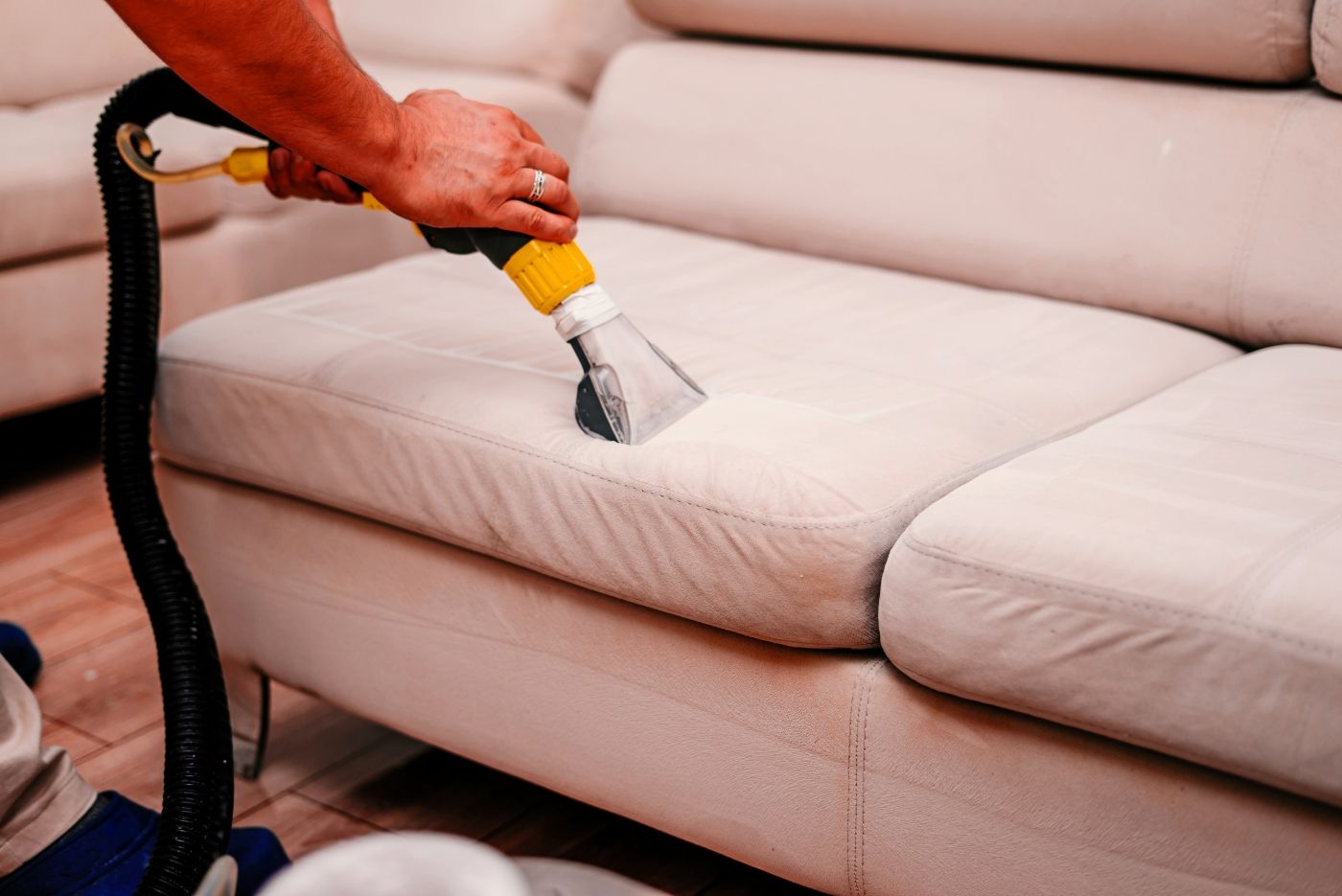
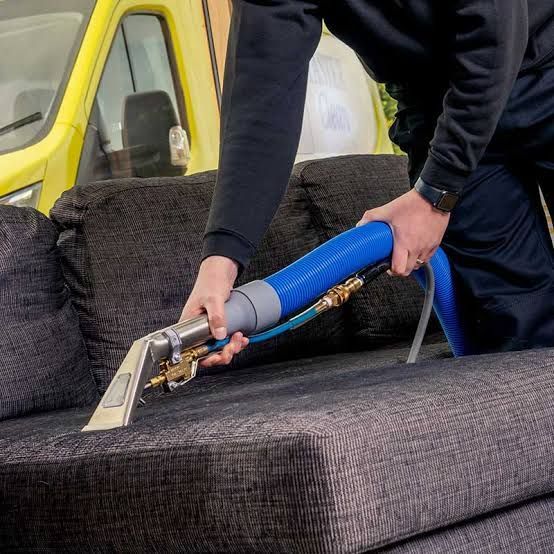
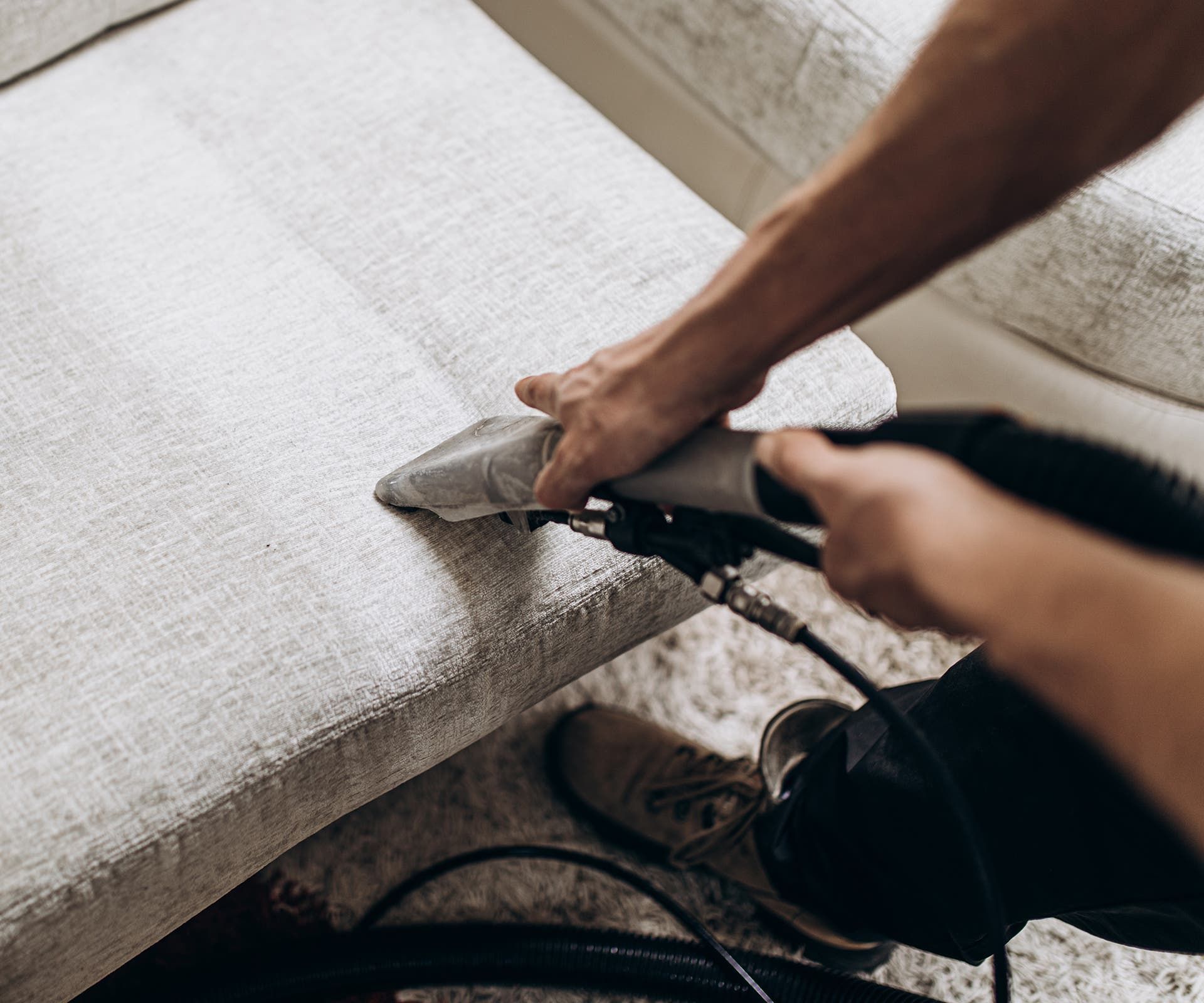
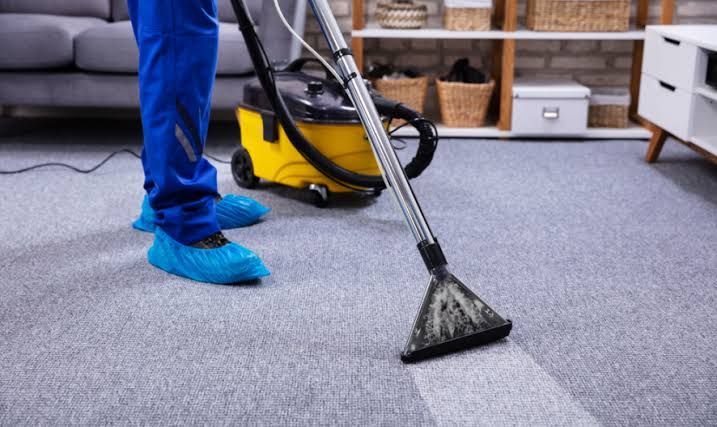
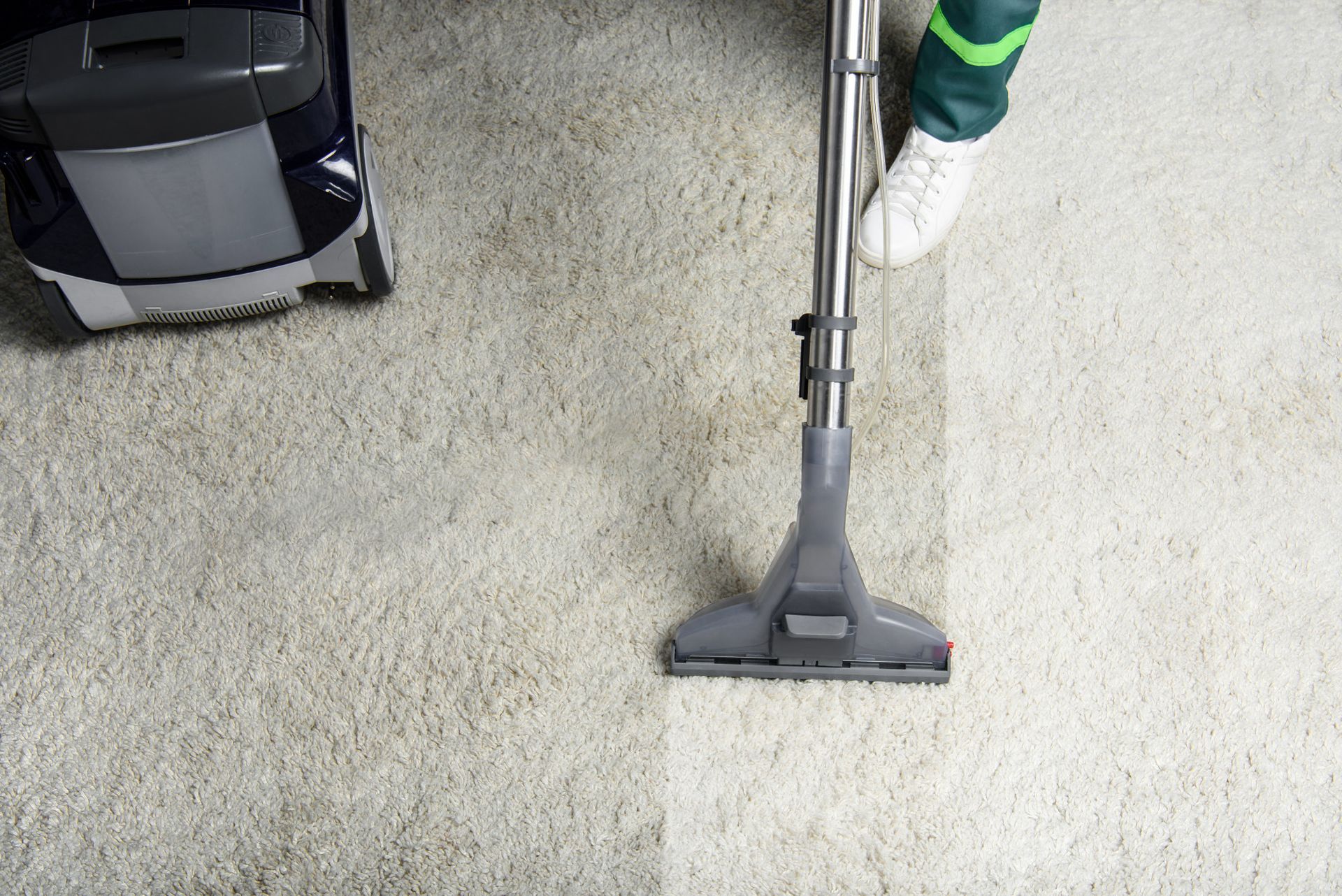
If you use an upholstery extraction machine, confirm that both the machine and furniture instructions allow it. A carpet cleaning attachment or setting may not suit a sofa.
Follow the equipment guidance for removing moisture. Avoid repeated wet passes over the same section simply because a mark is still visible.
For people asking how do you clean upholstery with a rented machine, suitability matters before convenience. If the label is unclear, postpone machine cleaning until you have reliable guidance.
Never use an outdoor pressure washer on household upholstered seating.
Drying the Furniture
Drying is part of cleaning, not an optional final step.
Leave the furniture unused until the fabric and affected inner layers are fully dry. Sitting on damp cushions or covering them with throws can slow drying.
Create airflow around the furniture. A fan can help move air across the surface. Open windows when outdoor conditions support drying, or use a suitable dehumidifier in a closed room.
In Bradford, plan around the conditions inside your home as well as the weather. A cool room with little airflow can keep furniture damp longer.
Avoid placing cushions against radiators or using concentrated heat from a hairdryer. Follow the manufacturer’s guidance on temperature and sunlight.
There is no single drying time for every sofa. Fabric, filling, moisture level and room conditions all affect it.
Checking the Results
Wait until the upholstery is fully dry before deciding whether cleaning has worked.
Inspect it in similar lighting to your original check. Compare photographs if you took them.
Look for remaining marks, changes in texture, rings or uneven colour. Feel gently for sticky or stiff areas that may suggest residue.
Check cushion edges and seams as well as the centre of the seat. These areas may dry differently.
When considering how do you clean upholstery successfully, look beyond whether it smells fresh. A fragrance does not show that dirt has been removed or that the filling is dry.
The aim is an improvement appropriate to the furniture’s condition, without creating new damage.
What to Do If a Mark Remains
Do not immediately repeat the entire cleaning process.
First, consider what you are seeing. The remaining patch could be a stain, residue, pile shading, colour loss or physical wear.
A mark that returns during drying may involve material moving from deeper layers towards the surface. Repeated wetting can make assessment harder.
Record the product used, its dilution and how the area was treated. This information helps a professional decide what to do next.
Stop home treatment if the fabric starts looking lighter, rougher or distorted. A faint remaining stain may be less noticeable than permanent damage caused by repeated scrubbing.
For further help, enquire about professional upholstery cleaning in Bradford and describe the furniture’s condition honestly.
Frequently Asked Questions
How do professionals clean upholstery?
Professionals generally inspect the furniture, identify relevant care requirements, vacuum, test and choose a suitable cleaning method. Depending on the material, this may involve controlled extraction, a low moisture process or specialist treatment. They should also explain drying requirements and any limits on stain removal.
Can upholstery be deep cleaned?
Yes, many upholstered items can receive a deeper clean when their construction and care instructions allow it. However, deep clean upholstery methods must suit the fabric, dyes, backing and filling. Deep cleaning does not mean soaking every layer, and some materials require specialist care.
What should you do before cleaning upholstery?
Read the care information, inspect for damage and identify stains where possible. Remove loose belongings and vacuum thoroughly. Test the proposed product in a hidden area and allow it to dry. Prepare the room so the furniture can dry properly afterwards.
How do you clean upholstery without a machine?
Vacuum first, then use an approved manual cleaning method if the care instructions allow it. This may involve gentle treatment with a suitable product and clean white cloths. How do you clean upholstery without soaking it? Control the amount applied and avoid repeatedly wetting the same area.
Can you use a steam cleaner on a sofa?
Only when the furniture manufacturer permits that method. Heat and moisture can affect certain fibres, dyes, adhesives and fillings. A handheld steam cleaner also works differently from an extraction machine. Do not assume that a general steam cleaning setting is suitable for upholstered furniture.
How often should you clean sofa and chairs?
Vacuum regularly according to use and the manufacturer’s guidance. Busy family seating may need more frequent attention than occasional chairs. Arrange deeper furniture cleaning when dirt, marks or odours justify it. There is no fixed schedule that suits every material and household.
Can you clean all upholstery with washing up liquid?
No. Washing up liquid is not a universal upholstery cleaner. It may create excess foam, leave residue or be unsuitable for the material. Use the cleaning product and method recommended for your furniture, at the stated strength, after testing.
Why does upholstery sometimes smell after cleaning?
A lingering smell may come from existing contamination, product residue or moisture remaining inside the furniture. Improve drying conditions and check whether the cushions are still damp. If the smell persists or becomes musty, seek advice instead of masking it with perfume.
Is it better to clean the whole sofa or one stain?
That depends on the care instructions and the problem. A fresh, isolated spill may need approved spot treatment. Widespread dirt may call for cleaning complete panels or the whole item. If you want to clean sofa and chairs together, assess each fabric separately before choosing a shared method.
Professional Upholstery Cleaning in Bradford
Jimmy's External Cleaning Services provides upholstery cleaning in Bradford for sofas, armchairs and dining chairs. If your seating needs more attention than routine vacuuming, contact the team to discuss the fabric, marks and condition.
Before requesting a quote, photograph the whole item, its care label and any problem areas. Include your Bradford postcode, the number of pieces and details of previous cleaning products.
Ask what the quotation includes, whether the proposed method suits your furniture and what drying arrangements you should make.
Visit the sofa and chair cleaning service page to learn more.
Ready to refresh your seating? Request your free quote from Jimmy's External Cleaning Services and explain what you would like improved.