How to Clean Upholstery on a Chair Safely
To clean upholstery on a chair, check the fabric instructions, vacuum loose dirt, test an approved cleaner in a hidden area, and treat the seat, arms and back gently. Use moisture only when the care label allows it.
Let the chair dry fully before using it again.
A favourite chair collects dirt in places that are easy to miss. Crumbs settle beside the cushion, hands leave marks on the arms, and dust gathers around piping. Cleaning the centre of the seat alone can leave the rest looking dull.
This guide explains
how to clean upholstery on a chair with attention to each part of the furniture, from narrow seams to the fabric behind the backrest.
How to Clean Upholstery on a Chair
Start with the care label rather than a bottle of cleaner. The right approach depends on the covering, its backing, the filling and the chair’s condition.
Follow this order:
- Read the manufacturer’s cleaning instructions.
- Check for stains, loose threads and damaged seams.
- Vacuum all accessible fabric surfaces.
- Test any permitted cleaner on a hidden section.
- Allow the test area to dry and inspect it.
- Treat suitable areas with controlled amounts of product.
- Leave the chair unused until fully dry.
Gather a vacuum with an upholstery attachment, clean white cloths, a soft brush where suitable, and a cleaner approved for the fabric.
Knowing
how to clean upholstery on a chair also means recognising when to stop. If the colour transfers, the texture changes or a mark spreads, do not continue with the same treatment.
Identify the Chair Fabric
A fabric that feels tough may still react badly to water. Cotton, linen, wool, polyester and mixed fabrics can have different care requirements. Velvet describes a fabric construction, so its appearance alone does not tell you which cleaning method is suitable.
Look beneath the seat, under removable cushions or in the original care booklet.
Some chairs carry these cleaning codes:
Code
General meaning
W
A suitable water based upholstery product may be permitted
S
A suitable solvent based cleaning product is required
WS or SW
Specified water based or solvent based products may be permitted
X
Vacuuming or light brushing only, without liquid cleaners
Follow the full manufacturer instructions. These codes do not automatically permit soaking, machine washing or using a steam cleaner.
If the label is missing, ask the manufacturer before wet cleaning.
The
Wikipedia overview of upholstery explains that upholstery includes padding and other materials as well as the visible covering. This helps explain why caring for a chair involves more than cleaning its surface.
Inspect the Chair Before Cleaning
Examine the chair in good light. Check the front edge of the seat, both arms, the headrest and the fabric around buttons.
Look for loose stitching, thinning patches, worn piping and exposed filling. Avoid brushing or pulling a vacuum nozzle across weak areas.
Identify stains where possible. A greasy food mark needs a different approach from loose dust. Make a note of anything already applied, including washing up liquid, furniture spray or a previous stain treatment.
Before testing a cleaner, protect nearby wood, metal and flooring from accidental contact.
Apply a small amount of the permitted product to a hidden area according to its instructions. Let it dry completely. Check for colour movement, stiffness, rings and changes in texture.
This inspection is an essential part of
how to clean upholstery on a chair without turning an existing mark into a larger problem.
Vacuum the Seat and Back
Vacuum before applying any cleaner. Loose particles can otherwise spread through damp fabric and become harder to remove.
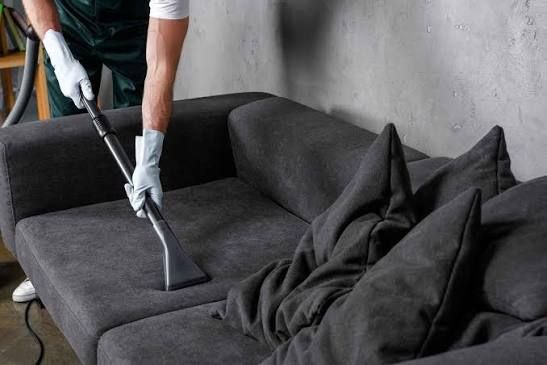
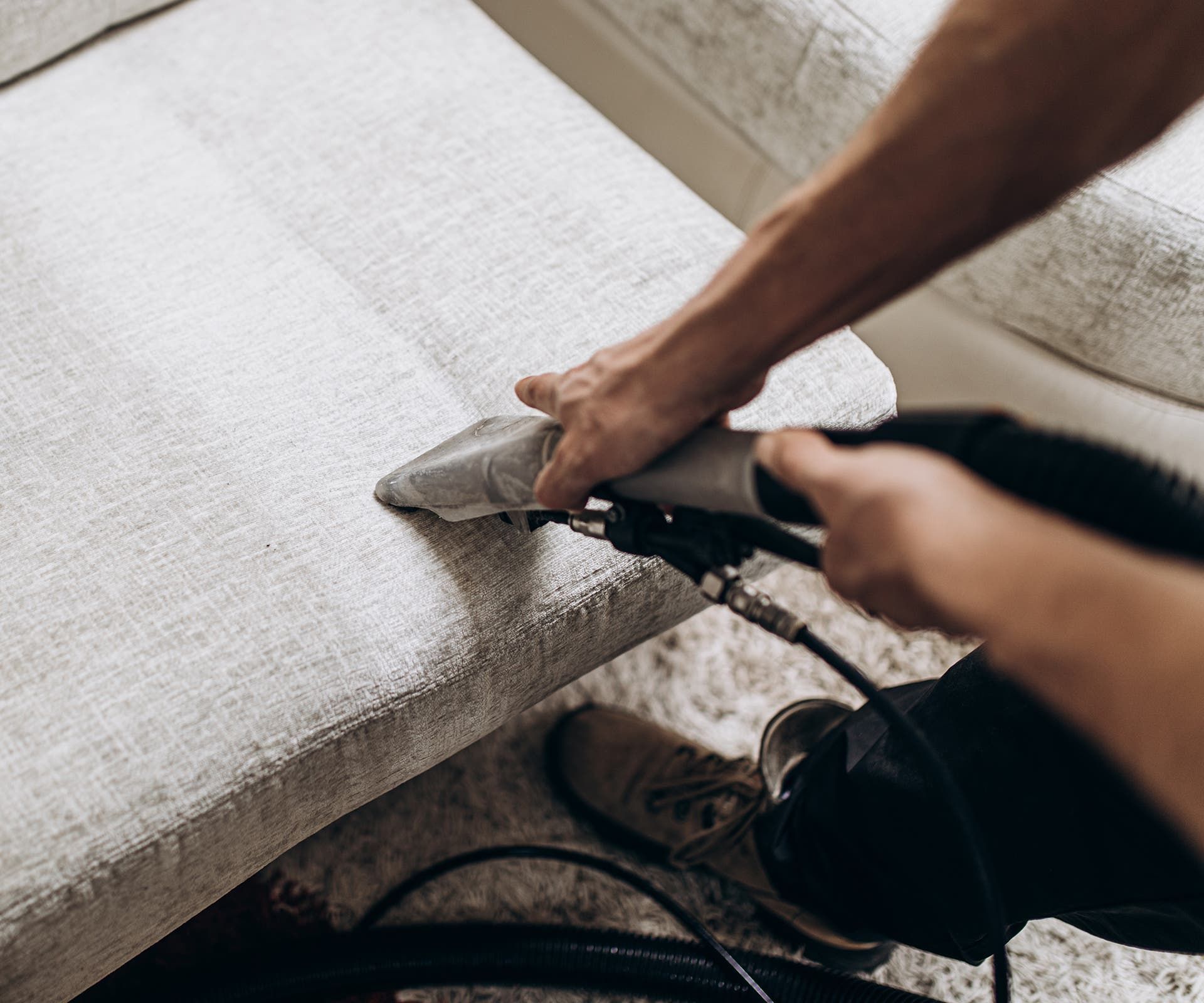
Use a clean upholstery attachment with gentle suction. Work slowly across the seat in overlapping passes, then move to the inside back, arms and outer surfaces.
Lift removable cushions only if they are designed to come away. Vacuum their tops, undersides and edges, followed by the seat platform beneath.
Pay particular attention to the front of the seat, where clothing and shoes may leave dust. Check the narrow space between the seat and backrest for crumbs.
Avoid pressing hard enough to distort the fabric. For loose weaves, decorative threads or delicate pile, follow the manufacturer’s attachment and brushing advice.
A careful vacuum often improves the appearance before any
upholstered chair cleaning product is needed.
Clean Along Seams and Edges
Seams and piping collect small particles that a wide vacuum head may miss. Use a crevice attachment carefully, keeping it clear of loose stitching.
Run the tool alongside the seam rather than forcing it into the fabric. For buttons and folds, approach from several directions with light suction.
Where damp cleaning is permitted, use a white cloth with a small amount of approved cleaner. Work gently along the edge without saturating it.
Piping can contain a cord that takes longer to dry than the surrounding fabric. Repeatedly wetting it may leave moisture hidden beneath the surface.
Avoid digging into corners with sharp tools or stiff brushes. They can damage threads and pull the fabric away from its fixing points.
When learning
how to clean upholstery on a chair, these narrow areas deserve as much care as the broad seat panel.
How to Clean Chair Arms
Chair arms often show dirt first because hands and forearms touch the same places every day. Skin oil, hand cream and food residue can gradually darken the fabric.
Vacuum both arms before treating them. Check the top surface, front curve and inside edge beside the seat.
If the care instructions permit cleaning, apply the tested product exactly as directed. Use gentle blotting or the specified wiping method. Turn the cloth frequently so you are lifting dirt instead of putting it back.
Do not scrub a dark patch until the surrounding fibres become rough. A change in texture can remain visible even when the dirt has gone.
Clean the corresponding areas on both arms where appropriate so the result looks balanced. If the fabric feels greasy after a careful treatment, seek professional advice rather than increasing the product strength.
Cleaning the Seat Area
The seat receives pressure, friction and spills, making it one of the most noticeable parts of the chair.
For dining chair upholstery, inspect the front corners and the area nearest the table. Food may collect there even when the middle looks clean.
Treat individual marks only with a suitable tested product. If the manufacturer allows broader cleaning, work evenly across the relevant fabric panel. Avoid leaving a heavily wetted patch in the middle of a dry seat.
Keep checking your cloth. Replace it when dirty, and follow any instructions for removing cleaning residue.
Never pour water or cleaner directly onto the cushion. Liquid can pass through the covering and soak the filling.
A zip does not prove a cushion cover is washable. Some zips are there for assembly or repairs.
An important part of
how to clean upholstery on a chair is controlling what reaches the padding beneath the seat.
Cleaning the Chair Back
Clean the inside backrest and the outside back separately. They may have different levels of dirt and different fabric tension.
The inside back often collects marks around shoulder height. On taller chairs, hair products can leave residue near the top. The outside back may gather dust or marks from hands moving the chair.
Start by vacuuming from the top down. Support loose fabric gently where needed without stretching it.
Use the permitted cleaner sparingly, taking care around buttons, folds and the join between the backrest and seat.
Do not let liquid run down into the lower seam. Keep cleaning products away from exposed timber and decorative metal.
If the chair has an electrical reclining mechanism, follow its safety instructions and keep moisture away from controls, wiring and moving parts.
Dealing With Food Marks
Lift away loose food before touching the remaining stain. A spoon can help remove soft solids without pressing them deeper into the weave.
Work from the outside of the mark towards the centre. Avoid dragging sauce, chocolate or grease across clean fabric.
Once the solids are removed, check whether the approved cleaner is suitable for that type of stain. Follow its instructions for application and contact time.
Do not assume every kitchen cleaning product is safe for furniture. Washing up liquid can leave residue if used excessively or removed poorly. Bleach and strong household cleaners may affect colour or damage fibres.
For dried food, avoid scraping hard at the surface. Remove only what releases gently, then assess the remaining mark.
Effective
chair stain removal depends on both the substance and the fabric. If the mark stops improving, repeated scrubbing is unlikely to help.
Dealing With Drink Spills
For a fresh spill, absorb excess liquid promptly with a clean white cloth. Press gently and move to a dry section of the cloth as it becomes wet.
Avoid rubbing the spill across the seat. Do not pour more water over it to dilute the mark.
Tea, coffee, milk and fruit drinks leave different residues. A spill containing milk or sugar may need attention even when the visible colour seems to have disappeared.
After blotting, use only a treatment allowed by the furniture instructions. If the label prohibits liquid cleaning, do not add a household stain remover.
Tell a professional cleaner what was spilled, when it happened and what you have already tried.
Knowing
how to clean upholstery on a chair after a drink spill starts with limiting the spread. The aim is to remove liquid, not push it further into the cushion.
Removing Body Oil and Everyday Dirt
Body oil tends to build up slowly. It often appears on armrests, the front of the seat and the upper back.
Dust can cling to these areas, creating a darker patch that ordinary vacuuming does not fully remove.
Where permitted, use an upholstery product intended for the fabric and the type of residue. Follow the stated dilution rather than making a stronger mixture.
Keep the treatment controlled and allow the product only the contact time given on its label. Remove residue as instructed.
Avoid spraying fragrance over a persistent smell. It does not remove the material causing the odour.
A dark patch may also be wear, pile shading or permanent colour change. Cleaning cannot replace missing fibres or restore dye that has been lost.
If you want to
clean a fabric chair that has widespread oily marks, a professional assessment can help establish what improvement is realistic.
How to Avoid Water Rings
Water rings can appear when moisture carries dirt towards the edge of a treated area. Uneven drying or changes within the fabric may also contribute.
To reduce the risk:
- Vacuum before using any permitted liquid treatment.
- Test the product and allow the test area to dry.
- Use the smallest effective amount stated in the instructions.
- Avoid soaking one small patch repeatedly.
- Keep any permitted panel cleaning even.
- Remove residue as directed.
- Provide airflow while the chair dries.
Cleaning a whole panel is appropriate only when the manufacturer allows it. It is not a reason to wet a chair with an unknown fabric or restrictive care label.
If a ring appears, let the fabric dry before assessing it. Repeatedly chasing the edge with more water can enlarge the mark.
Moisture control is central to
how to clean upholstery on a chair while keeping the finish even.
Drying an Upholstered Chair
An upholstered chair should dry with good airflow and without direct heat.
Open windows when conditions allow, or use a fan to move air through the room. A dehumidifier can help manage indoor moisture in a damp room.
Where removable cushions have been cleaned, position them securely so air can reach the damp surfaces. Follow the furniture instructions and protect nearby floors.
Avoid hairdryers, heaters placed close to the fabric and strong direct sunlight. Concentrated heat may affect the covering or cause uneven drying.
Drying time depends on the fabric, filling, room conditions and amount of moisture used. A fixed promise such as two hours will not suit every chair.
Check seams, piping and cushion undersides as well as the centre. Do not replace throws or sit down while areas remain damp.
The final stage of
how to clean upholstery on a chair is allowing enough time for drying, even when the surface looks finished.
Caring for the Chair After Cleaning
Once the chair is dry, inspect it in natural light. Check whether any remaining marks are stains, wear or changes in the fabric pile.
Resume gentle vacuuming according to use and the manufacturer’s advice. Chairs used for daily meals may need more frequent attention around seams than an occasional bedroom chair.
Deal with crumbs and spills promptly. Keeping a clean white cloth nearby makes it easier to absorb a drink spill before it spreads.
Wash removable throws and protective covers according to their own labels. Put them back only when both the chair and the cover are dry.
Rotate cushions only where the design allows it. Keep upholstered furniture away from prolonged strong sunlight where practical.
Learning
how to clean upholstery on a chair is useful, but regular light care can reduce the need for repeated stain treatments.
When a Chair Needs Professional Cleaning
Consider professional help when the care label is unclear, the chair is valuable, or the fabric reacts during a test.
Other reasons include widespread dirt, persistent smells, heavy oil marks, old stains and spills that have reached the filling.
Delicate fabrics, decorative trims and damaged seams may need specialist handling. Describe these details before booking rather than assuming every chair can receive the same treatment.
Ask which method is proposed, whether the fabric is suitable and what drying arrangements are needed. Explain any previous cleaning attempts.
A realistic assessment should separate removable dirt from permanent damage. Fading, worn fibres and chemical bleaching may remain after cleaning.
If you are unsure how to clean upholstery on a chair without causing further damage, pause the home treatment and request advice.
You can explore our
upholstery cleaning service in Bradford when regular care is no longer enough.
Upholstered Chair Cleaning in Bradford
Jimmy's External Cleaning Services provides upholstery cleaning in Bradford for furniture including armchairs and dining chairs. To request a free quote, send photographs of the chair, any problem areas and its care label, together with your Bradford postcode.
Clear photographs help explain the condition, but include a written description too. Mention whether the cushion is fixed, what caused any stain and whether there is an odour.
For one chair, explain which parts need attention. A stained seat with clean arms presents a different problem from a chair with general dirt across every surface.
Ask about suitability, the proposed cleaning method and drying before arranging the visit. If you have several matching dining chairs, mention the full number so the enquiry covers everything you want assessed.
For help with
upholstered chair cleaning,
contact Jimmy's External Cleaning Services and describe your furniture.
Frequently Asked Questions
How do you clean a fabric chair?
Read the care instructions, vacuum the chair and test an approved product in a hidden area. Allow the test to dry before treating visible fabric. Use gentle methods and controlled moisture where permitted, then let the chair dry fully.
Can upholstered chairs be wet cleaned?
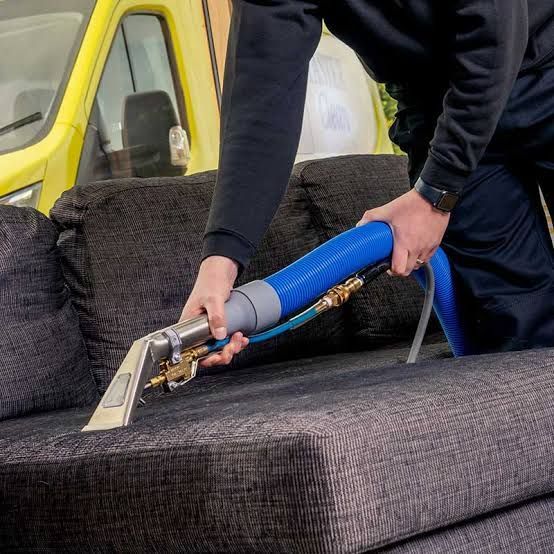
Some can, but only when the manufacturer permits the method. A suitable water based spot treatment does not automatically mean the chair can be soaked, steam cleaned or cleaned with an extraction machine. The filling and backing matter too.
How do you dry an upholstered chair?
Provide airflow around the chair and leave it unused. Open windows when suitable or use a fan and, if needed, a dehumidifier. Avoid direct heat. Check piping, seams and cushion undersides before deciding it is dry.
What is the safest approach to chair stain removal?
Identify the stain where possible and follow the furniture care instructions. Lift solids or blot excess liquid first. Test a suitable cleaner before treating the mark. Stop if the colour transfers, the surface changes or the stain spreads.
Can I use vinegar and baking soda on chair upholstery?
Do not assume a homemade mixture is suitable. Vinegar may affect some fabrics or finishes, while baking soda can remain trapped in seams and textured coverings. Use the method recommended by the chair manufacturer instead.
Can I put a removable chair cover in the washing machine?
Only if its care label specifically allows machine washing. A removable cover may shrink, lose colour or change shape when washed incorrectly. Follow the stated washing and drying instructions, including any advice about refitting it.
Why does my chair still look marked after cleaning?
The area may contain remaining residue, an old stain, wear or permanent colour damage. Let it dry fully before judging the result. Avoid repeated treatments without identifying the cause, especially if the texture has already changed.
How often should upholstered chairs be cleaned?
There is no single schedule for every chair. Vacuum regularly according to use and address spills promptly. Consider deeper cleaning when visible dirt, marks or odours remain after routine care, using a method suitable for the furniture.
Can professional cleaning make an old chair look new?
Cleaning can improve removable dirt and some stains, but it cannot repair worn fabric, restore lost dye or rebuild damaged padding. Ask for a realistic assessment based on the chair’s condition rather than expecting every mark to disappear.
Need Help Cleaning Your Upholstered Chair in Bradford?
If you are unsure how to clean upholstery on a chair, send Jimmy's External Cleaning Services a photo of the furniture and its care label.
Request your free Bradford upholstery cleaning quote today and discuss the right care for your chair.