How Do You Clean a Carpet by Hand? Get a Fresh, Clean Room
To clean a carpet by hand, remove loose dirt, test a suitable carpet cleaner, and work across small sections using minimal moisture. Gently loosen surface dirt with a cloth or an approved soft brush. Blot with clean towels, remove residue as the product label directs, and let the carpet dry fully.
If you are asking how do you clean a carpet by hand, the biggest challenge is managing an entire room. A small spill needs a few cloths. A fitted carpet needs a clear working route, plenty of fresh towels and enough time to dry before furniture returns.
Hand cleaning can improve a lightly soiled carpet, but it cannot draw dirty water from deep within the pile as an extraction machine can. Adding more water does not overcome that limit.
This guide explains how to organise
whole room carpet cleaning at home and when Bradford homeowners should consider professional help.
Is Hand Cleaning Suitable for a Whole Room?
Hand cleaning may suit a small room with light surface dirt, provided the carpet manufacturer allows the chosen treatment. It is less practical for a large lounge, thick pile or widespread greasy marks.
Before starting, check the fibre type and care instructions. Wool, synthetic fibres and natural plant fibres can need different cleaning methods. Do not assume a product suitable for one carpet is safe for another.
Avoid general wet cleaning on sisal, jute or other moisture sensitive materials unless their care guidance specifically allows it. Unknown fibres, unstable dyes and damaged backing also need careful assessment.
When deciding
how do you clean a carpet by hand, ask whether the problem is surface dirt or deeper contamination. A light refresh is realistic. Removing contamination from the backing or underlay usually needs more than cloths and a brush.
What Tools Do You Need?
Prepare everything before dampening the first section. Otherwise, you may leave cleaning solution sitting while you search for another towel.
Useful supplies include:
- A vacuum cleaner with an edge attachment
- A carpet cleaning product labelled for the fibre and manual application
- Clean white cloths
- Several absorbent white towels
- A measuring container
- Separate containers for fresh solution and used cloths
- Gloves where the product label recommends them
- A soft brush, only if suitable for the carpet
- A fan or dehumidifier, if available
Choose white cloths to reduce the risk of colour transfer and make removed dirt easier to see.
Check whether the cleaner needs rinsing, blotting or vacuuming after drying. Some products are intended for extraction machines and are unsuitable for this method.
Here,
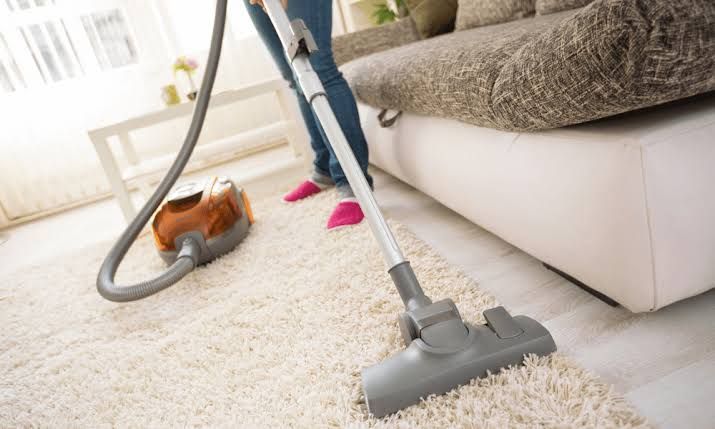
carpet cleaning without a machine means without a carpet washing machine. A normal vacuum remains useful for removing dry debris first.
How to Remove Furniture and Prepare the Room
Move chairs, small tables, baskets and other portable items out of the room. Keep the exit clear so you can finish without stepping across damp carpet.
Ask for help with heavy furniture. Do not drag loaded cabinets or sofas across the pile, and do not attempt to move anything you cannot handle safely.
If a large item must stay, clean only the accessible carpet. Avoid pushing water or cleaning solution underneath it, where drying will be harder to monitor.
Inspect the exposed floor for loose seams, frayed edges, stains and existing colour changes. Photographs can help you compare the result once everything is dry.
Keep children and pets out while products are in use and until the carpet is dry and safe according to the label. Place supplies on a waterproof tray to prevent accidental spills.
How to Remove Loose Dirt First
Thorough dry soil removal makes the later work easier. Grit and dust left in the pile become harder to collect once damp.
Vacuum slowly, using a setting suitable for your carpet. Cover the room in overlapping passes and use the attachment around skirting boards, doorways and furniture edges.
If the manufacturer permits it, vacuum from another direction to collect debris missed on the first pass. Empty the container or replace the bag when needed.
Let ordinary tracked mud dry before lifting the loose material and vacuuming. Rubbing wet mud can spread it further.
If how do you clean a carpet by hand means using no electrical equipment at all, a suitable carpet sweeper can collect some surface debris. However, it will generally leave more fine dirt behind than thorough vacuuming.
Never use an ordinary dry vacuum to collect water or wet cleaning solution.
How to Divide the Carpet Into Small Areas
Plan your route from the far side of the room towards the doorway. Divide the floor mentally into sections you can reach comfortably without kneeling on damp areas.
A section around half a metre square can be a useful starting point. Adjust this to the carpet, product instructions and how quickly you can complete each stage.
Finish applying, gently working and blotting one section before moving on. Maintain slight overlap so you do not leave untreated strips.
Avoid using tape to mark the carpet. Instead, use room features or a simple sketch to track progress.
For anyone asking how do you clean a carpet by hand across an entire room, this section plan helps control moisture and prevents repeated treatment of the same patch.
First complete a small trial section and let it dry. Check the result before committing to the whole room.
How to Apply Cleaning Solution by Hand
Read both the carpet care instructions and the cleaner label. Measure the recommended dilution accurately. Stronger solution can leave more residue and may damage the material.
Test the product in a hidden area using the full intended process. Allow it to dry, then check for colour transfer, fading, texture changes or a visible ring.
If the test is satisfactory, apply the product exactly as directed. Where permitted, using a lightly dampened cloth can offer more control than spraying a wide area.
Do not pour a bucket of solution onto fitted carpet. The aim is to treat the fibres with limited moisture, without soaking the backing or underlay.
Respect any stated contact time, and do not allow a product to dry on the carpet unless its instructions require that.
Avoid improvised mixtures of washing up liquid, bleach, vinegar or several cleaners.
Manual carpet cleaning works best with a suitable product used correctly.
How to Brush Carpet Without Damaging Fibres
Brushing is optional. Some carpets respond better to gentle cloth treatment, and some constructions should not be brushed at all.
Where brushing is allowed, use a clean, soft brush with light pressure. Make a few controlled strokes rather than scrubbing repeatedly in circles.
Stop if fibres begin to fluff, twist or pull. Loop pile can snag, while delicate fibres can lose their original appearance through excessive friction.
Treat individual stains from the outside towards the centre to limit spreading. Use fresh areas of cloth as soil transfers.
A common misunderstanding about how do you clean a carpet by hand is that stronger scrubbing gives a deeper clean. It can damage the surface without removing the soil underneath.
If gentle treatment makes little difference, reassess the mark. It may need a specific stain treatment or may be permanent wear.
How to Remove Dirty Water and Residue
Lay a clean, dry towel over the treated section and press firmly. Lift it, move to a dry part and repeat as needed.
Replace towels once they become damp or dirty. Continuing with the same wet towel limits absorption and can spread soil back onto the carpet.
If the cleaner requires residue removal, use a separate cloth dampened with clean water and wrung out thoroughly. Wipe gently, then blot again with a fresh dry towel. Follow the label rather than repeatedly adding water.
Keep clean water separate from dirty cloths. Change it whenever needed.
Understanding how do you clean a carpet by hand also means recognising what blotting cannot do.
Towels absorb accessible moisture, but they do not extract liquid from deep within the carpet.
If a section feels soaked or makes a squelching sound under pressure, stop adding liquid. It needs prompt moisture removal and may require professional assistance.
How to Deal With Heavily Used Areas
Doorways, the space in front of a sofa and routes between rooms often collect more dirt than sheltered areas.
Give these places extra attention during dry vacuuming. Then check whether the darker appearance comes from dirt, flattened pile or actual fibre wear.
Use a suitable treatment for the type of soil. Allow the labelled contact time before gently working and blotting the area.
Do not increase the concentration or repeatedly soak a stubborn patch. If necessary, let the first treatment dry before judging whether another is appropriate.
For high traffic carpet areas, expectations matter. Cleaning may remove soil, but it cannot rebuild worn fibres or restore dye that has faded.
When a walking route remains dark after careful treatment, professional assessment can help distinguish removable soil from lasting damage.
How to Clean Carpet Edges and Corners
Use a crevice attachment to remove dust along skirting boards, beneath radiator edges and around door frames.
For permitted damp cleaning, fold a white cloth into a narrow pad. Apply a small amount of suitable cleaner and work carefully along the accessible edge.
Avoid forcing moisture into gaps beside the skirting or beneath carpet edges. Keep fingers away from gripper rods and exposed fixings.
Dark lines around the perimeter may be filtration soiling, where fine airborne particles collect as air moves through or around the carpet. These marks may need specialist treatment.
Do not pull up fitted carpet to reach a stubborn line. Loose seams, damaged edges and uncertain staining are reasons to stop and seek advice.
How to Dry a Full Room Quickly
Fast drying begins with using less water. Blot each section thoroughly before moving on, then create suitable airflow across the room.
Open windows when outdoor conditions help drying. On a damp day, a dehumidifier may be more useful.
Follow its instructions, which may recommend keeping windows closed during operation.
Position a fan safely so air moves across the carpet. Keep plugs, cables and electrical equipment away from damp areas.
Maintain a comfortable room temperature. Avoid concentrated heat from a hairdryer or heater placed close to the fibres.
The answer to how do you clean a carpet by hand is incomplete without a drying plan. Thick pile, excess water, limited airflow and high humidity can all extend drying.
Do not rely on the surface alone if the carpet was heavily wetted. Leave furniture off until the carpet is fully dry, and seek help if it remains wet or develops a musty smell.
How Long Does Hand Cleaning Take?
Allow for preparation, cleaning, towel changes and drying. The room size alone does not determine the workload.
As a planning example, clearing and vacuuming a small room might take 30 to 60 minutes. Careful sectional cleaning and blotting could take another one to three hours or longer. These are practical estimates, not guaranteed timings.
Drying is separate and may continue into the following day, depending on how much moisture was applied and the room conditions.
If you are planning how do you clean a carpet by hand before visitors arrive, avoid leaving it until the same afternoon. Give yourself a generous margin.
A small trial section helps estimate both working time and drying conditions. If that section dries slowly, a whole room may be impractical without better moisture control.
Hand Cleaning Compared With Professional Extraction
The main difference is how loosened dirt and liquid leave the carpet.
With hand cleaning, you transfer accessible soil and moisture into cloths and towels. This can help with small areas and light surface cleaning, but the work becomes demanding across a whole room.
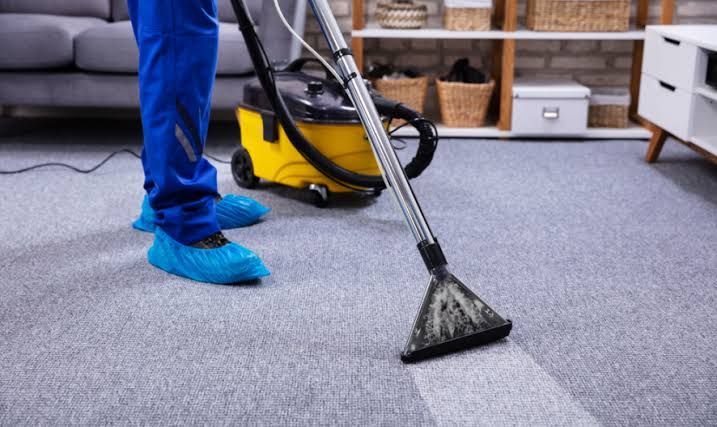
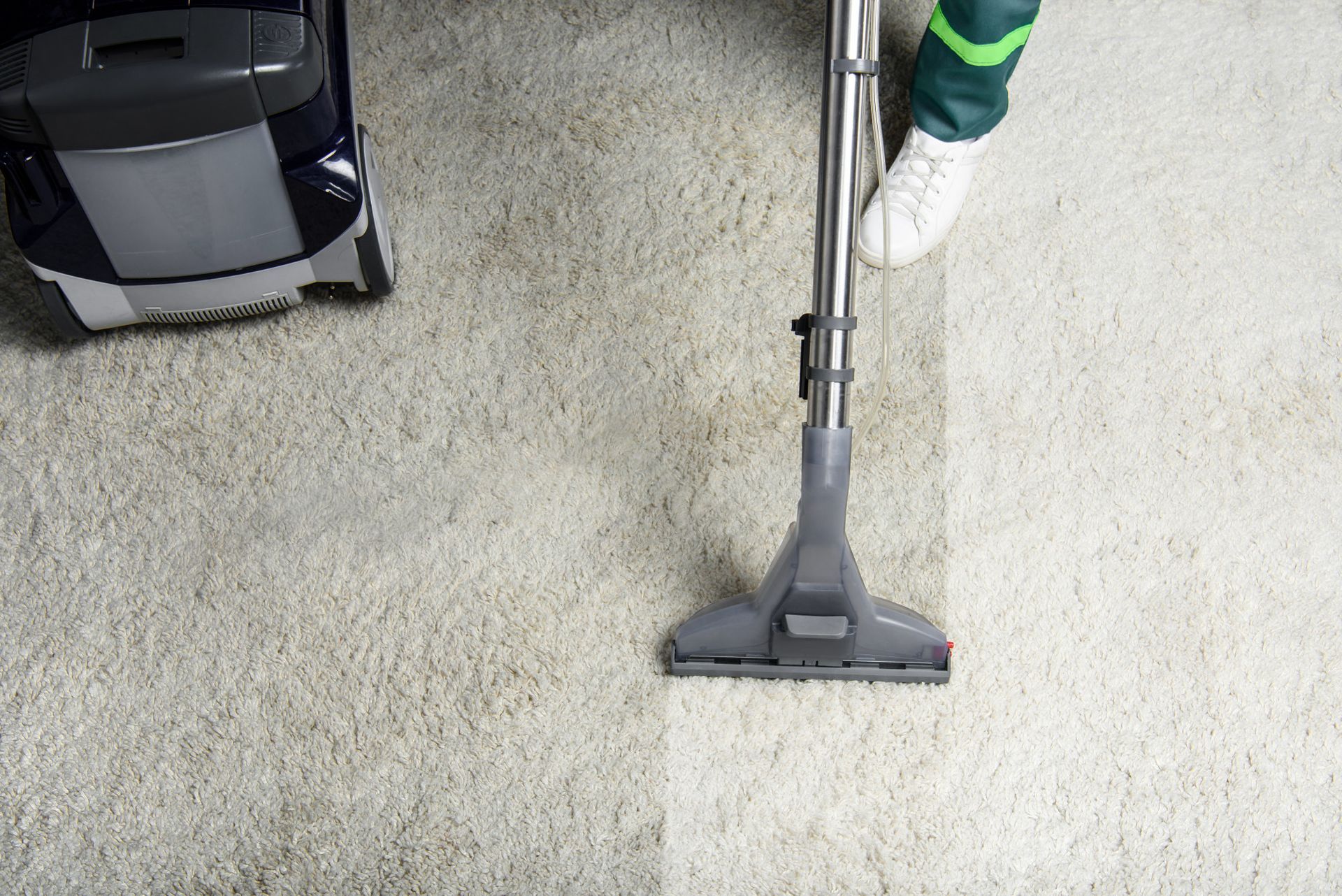
Professional extraction uses equipment to apply and recover cleaning liquid. Where suitable for the carpet, this allows more thorough removal of suspended soil than surface blotting alone.
Wikipedia’s overview of carpet cleaning describes extraction alongside other cleaning methods.
Extraction is not automatically the correct choice for every material. A cleaner should assess the fibres, backing, condition and staining before recommending a method.
Neither approach can guarantee removal of every stain. Bleaching, dye loss, burns and worn pile are forms of damage that cleaning cannot simply reverse.
If your main concern is
how do you clean a carpet by hand as thoroughly as professional equipment, the honest answer is that the methods have different limits.
When Bradford Homeowners Should Consider Professional Cleaning
Consider professional help when several parts of the room need attention or when the carpet remains dull after careful home treatment.
Other reasons include recurring stains, persistent pet odours, heavy soil, uncertain fibres and a room that is difficult to dry.
A carpet affected by flooding, sewage or suspected mould needs assessment beyond this household cleaning method. Surface washing cannot establish that the backing, underlay or floor beneath is suitable to keep.
Jimmy's External Cleaning Services offers carpet cleaning in Bradford for homeowners, tenants, landlords and businesses. It provides a local option when a whole room needs more attention than manual cleaning can reasonably deliver.
When making an enquiry, share the approximate room size, photographs, known carpet material and details of products already used. Explain whether the issue is general dirt, a particular stain or an odour.
For smaller jobs, our guide to cleaning a carpet by hand covers the basic technique.
Frequently Asked Questions
How do you clean a carpet by hand without soaking it?
Use a cleaner suitable for manual application and apply only the amount its instructions require. Work in small sections, keep cloths lightly damp and blot thoroughly with dry towels. Never pour water directly over the carpet. If the backing becomes wet, stop adding moisture.
Can you clean an entire carpet with a cloth?
You can use cloths to improve light surface dirt across a suitable carpet, but it takes time and many clean towels. A cloth cannot extract deeply held dirty water. Large rooms, thick pile and heavy soil may need a different cleaning method.
Is washing up liquid suitable for carpet cleaning?
Washing up liquid is not a reliable default choice for a whole carpet. It can produce excess foam and leave residue that is difficult to remove manually. Choose a carpet product approved for the fibre and intended method, and measure it as directed.
Should you use hot or cold water?
Follow the carpet care guidance and product label. There is no single correct temperature for every fibre and stain. Avoid boiling water. Heat can affect some stains and materials, so do not assume hotter water will improve the result.
Can baking soda clean a whole room?
Baking soda does not wash out embedded soil or remove dirty water. Powder can also remain within dense pile and may be unsuitable for some vacuum cleaners. It should not replace proper soil removal or treatment of an underlying odour source.
Why does the carpet feel sticky after cleaning?
Sticky fibres may indicate cleaning residue. Too much product or incomplete residue removal can cause this. Follow the cleaner’s instructions for correcting it without adding excessive water. If the problem affects the whole room, professional rinsing and extraction may be more practical.
Why do marks return after the carpet dries?
A stain may reappear when material held deeper in the carpet moves towards the surface during drying. This is often called wicking. Residue can also attract new soil. Repeatedly wetting the same place may worsen the problem, so recurring marks need assessment.
Can furniture go back while the carpet is damp?
Wait until the carpet is fully dry. Furniture can restrict airflow, and some wooden or metal feet may transfer stains onto damp fibres. If moving furniture is difficult, discuss the layout before cleaning rather than returning heavy items too early.
What if hand cleaning does not improve the carpet?
Let the treated section dry fully before judging it. If dirt, staining or odour remains, avoid repeated soaking or stronger mixtures. Ask a professional to assess whether the issue is removable soil, a specialist stain or permanent damage.
Want help with a whole room? Visit our Bradford carpet cleaning service page and contact Jimmy's External Cleaning Services to discuss your carpet, the problem areas and a suitable next step.