How to Clean Decking Safely in Bradford Today
A clean deck makes your garden safer, fresher, and nicer to use. If your decking looks dark, green, slippery, or tired, it may not need replacing. In many cases, it just needs the right cleaning.
This guide explains how to clean decking in simple steps. It is written for homeowners, landlords, tenants, shops, pubs, and businesses in Bradford who want a safer outdoor space without damaging the surface.
If your decking is very slippery, stained, or covered in moss and algae,
Jimmy's External Cleaning Services can help with professional decking cleaning in Bradford.
Did you mean how to clean decking?
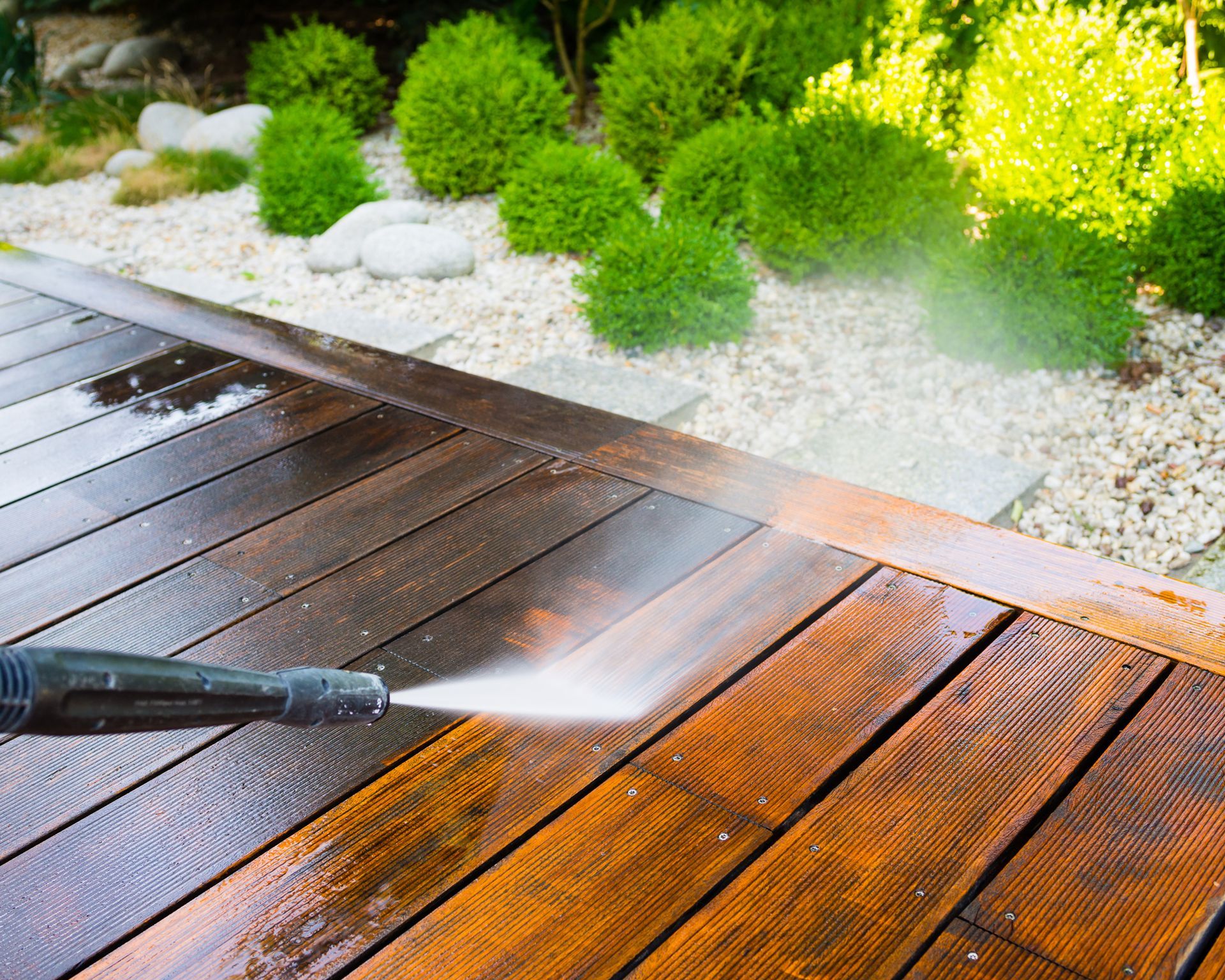
Yes, if you searched for how to clean decking, you are likely looking for the safest way to remove dirt, moss, algae, green growth, black marks, and slippery patches from your deck.
Decking can be made from wood, composite boards, or other outdoor materials. Each type needs care. A strong cleaner or the wrong pressure washer setting can cause damage. That is why it is important to clean decking in a safe and careful way.
The best method is to sweep first, use a mild cleaning solution, scrub with the grain, rinse well, and let the decking dry fully. For heavy green growth or slippery decking, a professional clean is often the safest choice.
Quick answer for hov clean decking
The quick answer to How to clean decking is simple.
Sweep away loose dirt, leaves, and debris. Wet the decking with clean water. Apply a mild outdoor cleaner or decking cleaner. Let it sit for a short time, but do not let it dry on the surface. Scrub the boards with a stiff brush. Rinse with clean water. Leave the decking to dry before using it again.
For green, slippery, or very dirty decking, call Jimmy's External Cleaning Services in Bradford. A trained cleaner can remove moss, algae, grime, and staining without harming the boards.
Why decking needs cleaning
Decking sits outside all year. In Bradford, rain, shade, damp air, leaves, and foot traffic can make decking dirty very quickly. Over time, the surface can collect mud, moss, algae, bird mess, food stains, and black marks.
Dirty decking is not only ugly. It can also become slippery. Green growth on decking is one of the main reasons people slip in gardens, yards, pub seating areas, and outdoor paths.
Cleaning your decking helps to:
- Make the surface safer to walk on
- Improve the look of your garden
- Protect the boards from long term grime
- Remove moss, algae, and dirt before they spread
- Help stains, oils, and sealers work better
- Make outdoor areas more welcoming
Knowing
How to clean decking properly can save money because it helps your deck last longer. A clean deck is also easier to inspect. You can spot loose boards, raised screws, cracks, soft wood, or damage before they become bigger problems.
How to prepare your decking
Good cleaning starts before water or cleaner touches the boards. Take time to prepare the area.
First, remove garden furniture, plant pots, toys, bins, mats, and anything else sitting on the decking. Items left in place can hide dirt and leave marks behind.
Next, check the deck for damage. Look for loose screws, broken boards, rotten wood, raised nails, and weak areas. Do not scrub or pressure wash damaged decking until repairs are made. Water can make weak areas worse.
If you have plants near the deck, water them first. This helps protect them from cleaner. You can also cover delicate plants while cleaning.
Open nearby doors and windows with care. Make sure cleaner and dirty water do not run into your home, garage, or conservatory.
Before you start, choose a dry day if possible. Cleaning decking in heavy rain can wash away cleaner too fast. Hot sun can dry cleaner on the boards before it has worked.
This is one of the most missed steps in
How to clean decking. Preparation makes the job safer, easier, and more effective.
How to sweep dirt, leaves, and moss
Sweeping is a simple step, but it makes a big difference. Use a firm outdoor brush to remove loose dirt, leaves, twigs, dust, and moss.
Brush along the boards, not against them. This helps lift dirt from the grooves. Pay close attention to corners, steps, gaps, and shaded areas. These places often hold damp dirt and green growth.
If moss is thick, loosen it with a scraper made for outdoor use. Be gentle. Do not dig into wooden boards. For composite decking, avoid sharp tools because they can scratch the surface.
Clear the gaps between boards if safe to do so. Blocked gaps stop water from draining. Standing water can lead to more algae and slippery patches.
Once the surface is swept, collect the waste and put it in the garden bin if suitable. Do not wash large clumps of moss into drains.
When people ask How to clean decking, they often want to jump straight to washing. But sweeping first helps the cleaner reach the surface properly.
How to wash decking with mild cleaner
A mild cleaner is enough for many decks. You can use warm water with a small amount of gentle outdoor cleaner, or a decking cleaner made for your type of boards.
Always read the product label first. Some cleaners are made for wood. Some are made for composite. Some are not safe for pets, plants, or painted surfaces.
Start by wetting the decking with clean water. This helps stop the cleaner soaking in too fast. Apply the cleaner evenly with a brush, watering can, or sprayer made for cleaning jobs.
Let the cleaner sit for a short time. Do not let it dry. If it dries on the surface, it may leave marks or residue.
Work in small sections. This gives you better control and helps you clean the whole deck evenly.
For light dirt, mild cleaner and brushing may be enough. For old stains, black marks, heavy algae, or slippery green growth, you may need a deeper clean.
This step is key in
How to clean decking because the right cleaner removes dirt without attacking the surface.
How to scrub decking safely
Scrubbing lifts dirt from the boards. Use a stiff brush with strong bristles, but avoid metal wire brushes. Wire brushes can damage wood and scratch composite decking.
Scrub in the same direction as the boards. On wooden decking, follow the grain. This helps clean the surface without roughing it up too much.
Pay extra attention to shaded areas. In Bradford, many gardens have damp corners where sunlight does not reach for long. These areas often grow algae and moss faster.
Scrub steps, edges, and handrail bases carefully. These are common slip areas. If your decking has grooves, brush along them to lift dirt from inside the lines.
Do not use too much force on soft timber. If the wood is old or worn, hard scrubbing can pull up fibres. If boards feel soft, spongy, or rotten, stop cleaning and get them checked.
For composite decking, use a brush that is firm but not harsh. Scrubbing too hard may dull the surface.
A safe scrub is one of the best answers to How to clean decking without causing damage.
How to rinse the surface properly
Rinsing removes dirty water, cleaner, and loose grime. Use a garden hose if you have one. Rinse from one end of the decking to the other, pushing dirty water away from the house.
Make sure no cleaner is left behind. Cleaner residue can make decking sticky, patchy, or slippery when wet.
Rinse gaps, edges, steps, and corners well. Dirt often sits in these areas after scrubbing.
After rinsing, check the deck from different angles. Wet decking can hide marks, so some stains may only show once the boards dry.
Let the decking dry fully before putting furniture back. If you place pots or mats back too soon, damp patches can form underneath. These damp patches can lead to more algae.
This part of
How to clean decking is important because poor rinsing can undo the work you have done.
How to clean green or slippery decking
Green decking is usually caused by algae, moss, or mildew. It grows well in damp, shaded spaces. Bradford weather can make this worse, especially after long wet spells.
Green decking can be very slippery. Do not ignore it. It can be dangerous for children, older people, customers, and pets.
To clean green decking, sweep first. Apply a suitable decking cleaner or algae treatment. Let it work as directed on the label. Scrub the area well. Rinse fully with clean water.
Do not use harsh bleach without checking if it is safe for your deck. Strong bleach can change the colour of wood, harm plants, and damage nearby surfaces.
For heavy green growth, it is better to use a professional service. Jimmy's External Cleaning Services cleans slippery decking across Bradford. The team can assess the surface and use the right method for wood or composite boards.
If you are searching How to clean decking because your deck is slippery, safety should come first. If the surface feels unsafe, do not walk across it until it has been cleaned.
How to clean wooden decking
Wooden decking needs gentle care. Wood is natural, so it can absorb water, stain, crack, and wear down if cleaned badly.
Start with a full sweep. Remove leaves and moss from the boards and gaps. Check for loose screws, splinters, and rotten areas.
Wet the wood lightly with clean water. Apply a wood safe decking cleaner. Scrub with the grain using a stiff outdoor brush. Rinse well and let the wood dry fully.
Do not soak wooden decking for too long. Too much water can raise the grain and make the surface rough. Avoid very harsh pressure washing because it can tear fibres and leave lines in the timber.
Once clean and dry, wooden decking may need oiling, staining, or sealing. Cleaning helps these treatments soak in better. If the deck is grey or faded, cleaning may improve the colour, but old timber may still need treatment after.
For Bradford homes with older wooden decking, a professional clean can be a good choice. Jimmy's External Cleaning Services can clean wooden decking carefully and help restore a safer, fresher look.
This is a safe way to answer
How to clean decking when the boards are made from timber.
How to clean composite decking
Composite decking is made from a mix of materials, often including wood fibres and plastic. It is usually easier to care for than timber, but it still gets dirty.
Composite boards can collect algae, grease, mud, food stains, and black marks. The surface can also become slippery if it is not cleaned.
Sweep the boards first. Wash with warm water and a mild cleaner suitable for composite decking. Use a soft or medium outdoor brush. Scrub along the board pattern. Rinse well with clean water.
Avoid wire brushes, harsh solvents, and strong chemicals unless the manufacturer says they are safe. These can scratch, fade, or damage the surface.
Do not let dirt sit for months. Regular light cleaning keeps composite decking looking better and reduces the need for hard scrubbing.
If you want to know
how to clean decking made from composite boards, the answer is to be gentle, use the right cleaner, and avoid anything abrasive.
Can you pressure wash decking?
Yes, some decking can be pressure washed, but it must be done with care. Pressure washing can clean quickly, but it can also cause damage if the pressure is too high or the nozzle is too close.
On wooden decking, strong pressure can cut into the boards, lift fibres, and leave stripes. On composite decking, the wrong setting can mark the surface or force water into joints.
If you pressure wash decking yourself, use a low pressure setting. Keep the nozzle moving. Do not hold it close to one spot. Test a hidden area first.
Never use a narrow jet on decking. A wide fan setting is safer. Wash with the grain of the boards. Keep a steady distance from the surface.
For most people, professional pressure washing is safer. Jimmy's External Cleaning Services has experience cleaning decking in Bradford and can choose the right pressure, cleaner, and method for your surface.
When asking how to clean decking, pressure washing may seem like the fastest answer, but it is not always the safest one.
What not to use on decking
Using the wrong product can cause lasting damage. Avoid strong bleach unless you know it is safe for your decking. Avoid metal wire brushes. Avoid harsh acids. Avoid oven cleaner, drain cleaner, and indoor cleaning chemicals.
Do not use boiling water on composite decking. It may harm the surface. Do not use sharp tools to scrape boards. Do not sand composite decking unless the maker says it is allowed.
Do not pressure wash old or damaged timber with high force. It can make the boards rough and weak.
Do not leave wet leaves sitting on the deck for weeks. They hold moisture and can stain the surface.
Do not cover damp decking with outdoor rugs or mats for long periods. This can trap moisture and lead to green growth.
A big part of
How to clean decking is knowing what to avoid. Gentle cleaning done well is better than harsh cleaning done fast.
Professional decking cleaning in Bradford
If your decking is green, slippery, stained, or hard to clean, Jimmy's External Cleaning Services can help.
We provide professional decking cleaning in Bradford and nearby areas. Our service is ideal for homes, landlords, letting agents, shops, cafes, pubs, offices, and outdoor seating areas.
We clean the decking with care. We look at the surface first, then choose a safe method for the material and condition. Our aim is to remove dirt, moss, algae, and grime while protecting the decking as much as possible.
Why choose Jimmy's External Cleaning Services?
- We are local to Bradford
- We understand local weather and outdoor surfaces
- We clean wooden and composite decking
- We help make slippery decking safer
- We use careful cleaning methods
- We save you time and hard work
- We improve kerb appeal and outdoor comfort
A clean deck can make a big difference to your home or business. It can make your garden feel brighter, your outdoor seating look more welcoming, and your surface safer underfoot.
For help with
How to clean decking in Bradford, contact
Jimmy's External Cleaning Services today.
Frequently Asked Questions About How to Clean Decking
How often should I clean my decking?
Most decking should be cleaned at least once or twice a year. In Bradford, damp weather can lead to moss and algae, so shaded decking may need cleaning more often.
What is the best way to clean decking?
The best way is to sweep first, apply a suitable cleaner, scrub with a brush, rinse well, and let it dry. This is the safest basic method for How to clean decking.
How do I stop decking from going green?
Keep it clear of leaves, improve airflow, move plant pots now and then, and clean it before algae builds up. Regular maintenance helps stop green growth from spreading.
Is green decking dangerous?
Yes, it can be. Green decking is often slippery, especially when wet. It should be cleaned as soon as possible to reduce the risk of slips.
Can I use washing up liquid on decking?
A small amount in warm water can help with light dirt, but it may not remove algae or deep grime. A proper decking cleaner is better for dirty or slippery surfaces.
Can I use bleach on decking?
Bleach can damage some decking, change colour, and harm plants. It is better to use a cleaner made for decking or ask a professional.
Can pressure washing damage decking?
Yes. High pressure can damage wood and mark composite boards. If you are unsure, use a professional decking cleaning service in Bradford.
How long does decking take to dry after cleaning?
It depends on the weather, shade, and airflow. On a dry day, it may dry within a few hours. In cool or damp weather, it can take longer.
Who can clean my decking in Bradford?
Jimmy's External Cleaning Services offers professional decking cleaning in Bradford. We can help clean dirty, green, slippery, wooden, and composite decking.
Now you know how to clean decking safely, you can decide whether to do it yourself or call in help. Light dirt can often be handled with sweeping, mild cleaner, scrubbing, and rinsing. Heavy moss, algae, staining, and slippery areas need more care.
For a safer, cleaner, and fresher deck in Bradford, contact Jimmy's External Cleaning Services.
Call today and bring your decking back to life.