How Do I Clean Block Paving Without Damage
If you have block paving at your home, one common question is how do i clean block paving without damaging the surface. Block paving can make a driveway, patio or path look clean and smart, but over time it can collect dirt, weeds, moss, algae, oil marks and black stains. In places like Bradford, Thornton, Wibsey, Great Horton and Shipley, damp weather can make paving turn green faster than many homeowners expect.
The good news is that you can clean block paving safely if you use the right method. You do not always need strong chemicals or heavy pressure washing. In many cases, a careful clean with the correct tools can make a big difference. The main thing is to protect the blocks, the joint sand and the drainage around the paved area.
Quick Answer
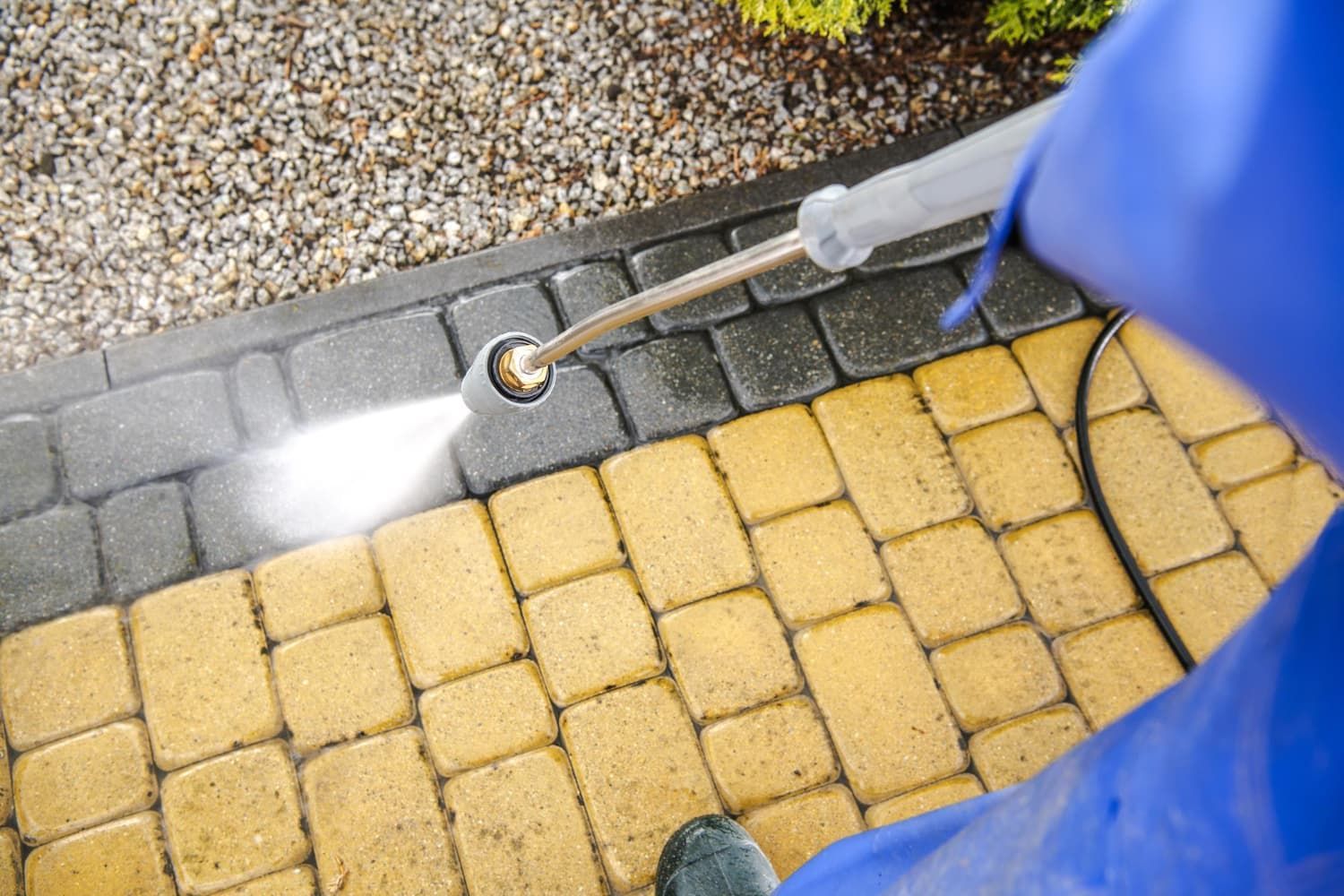
The safest way to clean block paving is to sweep the surface first, remove weeds by hand, apply warm soapy water or a suitable paving cleaner, scrub the dirty areas with a stiff brush, rinse with clean water and allow the paving to dry fully. If the paving is very dirty, pressure washing can help, but it must be done carefully because too much pressure can remove joint sand and disturb the blocks.
After cleaning, check the gaps between the blocks. If the sand has washed away, the paving should be re sanded with kiln dried sand once the surface is fully dry. This helps keep the blocks stable and reduces weed growth.
So, if you are asking
how do i clean block paving, the simple answer is to clean gently first, avoid harsh products, protect the joints and re sand when needed.
Why Block Paving Gets Green and Dirty
Block paving is outside all year, so it naturally collects dirt. Rain, wind, dust, leaves, mud, vehicle marks and foot traffic can all affect the surface. In Bradford, the weather can be damp for long periods, which gives moss and algae a good chance to grow.
Green marks often come from algae. Moss usually grows in shaded areas or between blocks where moisture stays for longer. Weeds can grow when seeds fall into the joints and find enough soil or sand to root. If the paving is close to trees, bushes or garden beds, it may get dirty more quickly because leaves and organic matter sit on the surface.
Driveways can also get oil spots, tyre marks and dark patches from cars. Patios can collect food marks, drink spills, plant pot stains and general garden dirt. Over time, these marks can make block paving look older than it really is.
Another reason paving gets dirty is poor drainage. If water sits on the surface for too long, green growth and staining can become worse. This is why regular sweeping and simple maintenance can help keep block paving looking better for longer.
When people search
how do i clean block paving, they often think the problem happened suddenly. In most cases, it builds up slowly over months or years. A safe clean can restore the look, but regular care helps stop the dirt from becoming too deep.
Tools Needed for Block Paving Cleaning
You do not need a lot of expensive tools to clean block paving at home. The right basic tools can make the job safer and easier.
A stiff outdoor broom is useful for sweeping loose dirt, leaves and dust from the surface. A stiff hand brush or paving brush helps clean the blocks and the joints. A bucket of warm water with mild soap can help loosen everyday dirt. You may also need a garden hose for rinsing the area after scrubbing.
For weeds, a weeding tool or small hand scraper can help remove growth between the blocks. Gloves are helpful because weeds, moss and dirt can be rough on the hands. If the surface is slippery, wear strong outdoor shoes with good grip.
A pressure washer can be useful for deep cleaning, but it should be used carefully. A wide fan setting is safer than a narrow jet. The nozzle should not be held too close to the paving because strong pressure can remove joint sand and mark the surface.
If you plan to re sand the paving after cleaning, you will need kiln dried sand. This is brushed into the gaps between the blocks after the surface is fully dry. Do not use wet sand, building sand or sharp sand for this job because they do not settle into the joints in the same way.
For heavy stains, a suitable block paving cleaner may help. Always choose a product made for paving and test it on a small hidden area first. Avoid strong acid based cleaners unless you know the paving can handle it. Harsh chemicals can damage the blocks, change the colour or harm nearby plants.
How Do I Clean Block Paving Step by Step
If you are wondering how do i clean block paving safely, follow a careful process. Taking your time can help avoid damage and give a better result.
Step 1: Clear the Area
Start by removing cars, bins, pots, garden furniture and anything else from the block paving. This gives you room to work and helps you clean the whole surface evenly.
Check the surface before you start. Look for loose blocks, sunken areas, deep stains, cracks, drainage problems and heavy weed growth. If the blocks are loose or uneven, be careful because aggressive cleaning can make the problem worse.
Step 2: Sweep the Surface
Use a stiff broom to remove leaves, loose soil, dust and small stones. Sweeping first makes the cleaning easier because you are not pushing loose dirt around with water.
Pay attention to corners, edges, steps and areas near walls. These places often collect more dirt and moss because they stay damp and shaded.
Step 3: Remove Weeds by Hand
Before washing, pull out weeds from between the blocks. Try to remove the roots as well as the top growth. If you only remove the top part, weeds may come back quickly.
Use a small weeding tool if needed. Avoid digging too hard into the joints because you may remove too much sand. The goal is to remove the weed without disturbing the paving more than needed.
Step 4: Wet the Paving Lightly
Use a hose or bucket to wet the surface lightly. This helps loosen dirt and makes scrubbing easier. Do not flood the area if drainage is poor.
If there are nearby plants, wet them before using any cleaner. This can help protect them if any cleaning solution splashes nearby.
Step 5: Apply Mild Soapy Water or Paving Cleaner
For normal dirt, warm water with mild soap is often enough. Pour it over a small area and let it sit for a few minutes. Do not let it dry fully on the surface.
For heavier dirt, use a cleaner that is suitable for block paving. Follow the product instructions carefully. Always test a small area first, especially if your paving is coloured or sealed.
Step 6: Scrub the Blocks
Use a stiff brush to scrub the surface. Work in small sections so the cleaning solution does not dry before you rinse it. Scrub along the surface of the blocks and around the joints.
Dirty areas may need more time. Green patches, moss marks and shaded corners often need extra scrubbing.
This is one of the safest answers to how do i clean block paving because hand scrubbing gives you more control than high pressure washing.
Step 7: Rinse with Clean Water
After scrubbing, rinse the paving with clean water. A garden hose is usually enough for light cleaning. Make sure dirty water flows away from the cleaned area and does not settle back onto the blocks.
If you use a cleaner, rinse well so no residue is left behind. Leftover cleaner can leave marks or make the surface slippery.
Step 8: Let the Paving Dry
Allow the paving to dry fully. This can take longer in Bradford during colder or damp weather. Do not rush the next step if you plan to re sand the joints. Kiln dried sand only works properly when the paving is dry.
Step 9: Re Sand the Joints if Needed
Once the surface is fully dry, check the joints. If sand has come out during cleaning, brush kiln dried sand into the gaps. Use a soft broom and spread the sand evenly across the surface.
The sand should fall into the joints, not sit in piles on top. Brush away extra sand after the gaps are filled.
If someone asks
how do i clean block paving and keep it stable, re sanding is one of the most important parts of the answer.
How to Remove Weeds Between Blocks
Weeds between block paving can make the area look untidy and can also disturb the joints over time. The safest method is to remove weeds by hand or with a weeding tool.
Start by pulling larger weeds slowly. Try to grip close to the base so the root comes out with the plant. For smaller weeds, use a paving brush or joint scraper. Be gentle enough to avoid removing too much joint sand.
Some people use boiling water on weeds, but this must be done with care. It can help kill small weeds, but it may also splash and cause burns. It can also affect nearby plants. If the paving is sealed, check whether heat could affect the surface.
Weed killer can be used in some cases, but it should be suitable for paved areas and used with care. Always follow the label. Keep it away from lawns, garden plants, drains and pets.
The best way to reduce weeds is to keep the joints filled with sand and sweep the area often. Weeds grow more easily where gaps are open and dirt has built up.
How to Remove Moss from Block Paving
Moss is common on block paving, especially in shaded and damp areas. It often grows between blocks, near walls, under trees or on parts of a driveway that do not get much sun.
To remove moss, start by brushing the surface with a stiff outdoor broom. For thicker moss, use a hand brush or scraper. Try not to dig too deeply into the joints.
After removing the loose moss, wash the area with warm soapy water or a suitable moss remover for paving. Scrub the surface and rinse well. Let the area dry fully.
Moss can return if the area stays damp. Trimming back overhanging plants, improving airflow and sweeping leaves away can help. If water sits on the paving, drainage may need attention.
When people ask how do i clean block paving that has turned green, moss removal is often part of the job.
A simple clean can improve the look, but stopping moss from returning depends on light, drainage and regular care.
Should You Pressure Wash Block Paving
Pressure washing can clean block paving well, but it must be done carefully. It is useful when the paving has deep dirt, heavy moss, algae, stains or years of build up. However, too much pressure can cause problems.
A strong jet can remove joint sand from between the blocks. When sand is removed, blocks may become loose over time. Pressure washing too close to the surface can also mark the blocks or make older paving look patchy.
If you use a pressure washer, use a wide fan spray instead of a narrow jet. Keep the nozzle at a safe distance from the paving. Work evenly across the surface and avoid blasting directly into the joints for too long.
Never use pressure washing as the first step if there are loose blocks or damaged areas. Fixing the surface first is safer.
If you are unsure, a professional service can help. Jimmy's External Cleaning Services cleans block paving and driveways in Bradford with care. A trained team will understand the right pressure, cleaning method and aftercare needed for the surface.
So,
how do i clean block paving with a pressure washer? The answer is gently, evenly and with care for the joints.
Why Joint Sand Matters
Joint sand is the sand between each block. It may look simple, but it has an important job. It helps lock the blocks in place and supports the paved surface.
When joint sand is missing, weeds can grow more easily. Water can settle deeper in the gaps. Blocks may start to move or become uneven. Ants can also disturb loose joints, especially in warmer months.
Cleaning can remove some of this sand, especially if you scrub hard or pressure wash the surface. This is why re sanding is often needed after a deep clean.
Good joint sand helps block paving stay firm, neat and safe to walk or drive on. It also helps the surface look finished after cleaning.
Many homeowners focus only on washing the top of the blocks. But if you ask
how do i clean block paving properly, you also need to think about what happens between the blocks.
When to Re Sand Block Paving
You should re sand block paving when the joints look low, empty or loose after cleaning. This is most common after pressure washing because water pressure can remove sand from the gaps.
Re sanding should only be done when the paving is completely dry. If the surface is wet, kiln dried sand will clump and will not brush into the joints properly.
The best method is to spread kiln dried sand over the paving and brush it into the joints with a soft broom. Move the sand across the surface from different directions so it fills the gaps well.
Once the joints are filled, sweep away extra sand from the top. Some areas may need more sand after a few days if it settles.
If your block paving is used as a driveway, re sanding is very important because vehicles add weight and movement. Weak joints can lead to loose blocks or uneven areas.
A professional can also check whether sealing is suitable after cleaning and re sanding. Sealing may help reduce staining and weed growth, but the paving must be clean and dry before it is applied. You can learn more through our
driveway sealing page.
Best Time of Year to Clean Block Paving
The best time to clean block paving is usually spring or early summer. The weather is often warmer, the surface dries more quickly and you can remove winter dirt before it becomes worse.
Autumn can also be a good time, especially if the paving has collected leaves, moss and mud. Cleaning before winter can help reduce slippery areas. However, drying times may be longer.
Avoid deep cleaning during freezing weather. Water can sit in joints and freeze, which may cause problems. Very hot days can also make cleaning products dry too quickly, leaving marks.
In Bradford, weather can change quickly, so choose a dry day if possible. If you plan to re sand, make sure there is enough dry time after washing.
For many homes in Thornton, Wibsey, Great Horton and Shipley, block paving may need cleaning once or twice a year depending on shade, use, trees, drainage and foot traffic.
If you often wonder
how do i clean block paving at the right time, choose a mild dry day and avoid rushing the drying process.
Block Paving Cleaning in Bradford
Block paving in Bradford often deals with damp weather, moss growth, muddy shoes, vehicle marks and everyday outdoor dirt. Homes in Thornton, Wibsey, Great Horton and Shipley may also have shaded driveways, older paving and areas where leaves collect.
Cleaning block paving in this area is not only about making it look better. It can also help reduce slippery patches, remove weeds, protect the joints and keep the outside of the property looking cared for.
Some homeowners are happy to do light cleaning themselves. This is a good option if the paving only has surface dirt or a small amount of moss. But when the paving is heavily stained, full of weeds or has lost joint sand, professional help can save time and reduce the risk of damage.
Jimmy's External Cleaning Services helps homeowners in Bradford with driveway cleaning, block paving cleaning and outdoor surface care. The team understands how local weather affects paving and can choose a safe method based on the condition of the surface.
If you need more help with outdoor cleaning, you can visit our
driveway cleaning page. If your paving needs extra protection after cleaning, our driveway sealing page may also be useful.
Common Mistakes to Avoid When Cleaning Block Paving
One common mistake is using too much pressure too close to the surface. This can remove joint sand and leave the paving looking uneven.
Another mistake is using harsh cleaners without testing them first. Some chemicals can change the colour of the blocks or damage nearby plants. Always test a small hidden area before cleaning the full surface.
Some people clean the paving but forget to re sand the joints. This can lead to weeds, loose blocks and movement over time.
It is also a mistake to clean block paving during poor weather. If the paving stays wet for too long, re sanding becomes difficult and moss may return quickly.
Leaving weeds for too long is another problem. Large weeds can disturb the joints and make cleaning harder.
The safest approach is simple. Clean gently, rinse properly, let the surface dry and re sand when needed.
Why Professional Block Paving Cleaning Can Help
DIY cleaning is useful for light dirt, but professional cleaning can be better for deeper problems. A trained cleaner can look at the surface and choose the right method. This matters because not every block paving area is the same.
Older paving may need a softer approach. Newer paving may need careful cleaning to protect the finish. Heavily stained areas may need targeted treatment. Driveways with missing joint sand may need re sanding after cleaning.
Professional cleaning can also save time. Block paving cleaning can be hard work, especially on larger driveways. It takes time to remove weeds, scrub, rinse, dry and re sand.
Jimmy's External Cleaning Services works with homes in Bradford and nearby areas. The aim is to clean the paving safely, improve the look of the outside space and help protect the surface for longer.
If you are still asking
how do i clean block paving because the job looks too large, it may be a good time to get local help.
Frequently Asked Questions
How do i clean block paving without damaging it?
You can clean block paving safely by sweeping first, removing weeds by hand, using mild soapy water, scrubbing with a stiff brush and rinsing with clean water. Avoid using too much pressure close to the surface. If joint sand comes out during cleaning, re sand the paving when it is fully dry.
How do i clean block paving that has turned green?
Green marks usually come from algae or moss. Brush away loose growth first, then scrub the area with warm soapy water or a suitable paving cleaner. Rinse well and let the surface dry. If the area stays shaded or damp, green growth may return, so regular sweeping helps.
How do i clean block paving with lots of weeds?
Remove weeds by hand or with a joint scraper. Try to remove the roots where possible. After cleaning, check the joints and add kiln dried sand if the gaps are low. Keeping the joints filled helps reduce future weed growth.
Can I pressure wash block paving?
Yes, you can pressure wash block paving, but it must be done carefully. Use a wide spray, keep the nozzle away from the surface and avoid blasting the joints too strongly. After pressure washing, you may need to re sand the joints.
How often should block paving be cleaned?
Most block paving should be cleaned once or twice a year. Areas with shade, trees, moss or heavy use may need cleaning more often. Regular sweeping can help keep the surface cleaner between deep cleans.
Do I need to re sand block paving after cleaning?
You need to re sand block paving if the joints look low or empty after cleaning. This is common after pressure washing. Re sanding helps keep the blocks stable and reduces weed growth.
What sand should I use for block paving joints?
Kiln dried sand is the right choice for block paving joints. It is dry and fine enough to brush into the gaps between the blocks. Do not use wet sand or building sand for this job.
What is the best time to clean block paving in Bradford?
Spring and early summer are usually good times because the weather is warmer and the paving dries faster. Autumn can also be useful before winter, especially if moss and leaves have built up.
Why does moss keep coming back on my block paving?
Moss often returns when the area is damp, shaded or covered with leaves. Poor drainage can also make moss worse. Regular sweeping, better airflow and safe cleaning can help reduce moss growth.
Who can help with block paving cleaning in Bradford?
Jimmy's External Cleaning Services helps with block paving cleaning, driveway cleaning and outdoor surface care across Bradford, Thornton, Wibsey, Great Horton and Shipley. Professional cleaning can be helpful when the paving is very dirty, slippery or needs re sanding after a deep clean.
Block paving can last for many years when it is cleaned and cared for in the right way. The key is to avoid harsh methods that damage the surface or remove too much joint sand.
If you are asking how do i clean block paving, start with simple steps. Sweep the surface, remove weeds, use mild cleaning water, scrub gently, rinse well and let the paving dry. If the joints are low, re sand them with kiln dried sand.
Pressure washing can help with heavy dirt, but it must be done carefully. If the paving is badly stained, slippery, full of moss or has lost a lot of joint sand, professional cleaning may be the safer option.
For homeowners in Bradford, Thornton, Wibsey, Great Horton and Shipley, Jimmy's External Cleaning Services can help with block paving cleaning, driveway cleaning and surface care. A clean driveway or patio can make the whole property feel fresher, safer and better maintained.