How to Clean Block Paving Like a Professional
The best way to clean block paving is to remove loose dirt first, clear weeds from the joints, apply a suitable cleaner, scrub problem areas, rinse the surface carefully, and then replace lost jointing sand once the paving is dry.
If you want to know how to clean block paving properly, the main thing is to avoid rushing. Block paving is strong, but the joints between the blocks need care. Too much pressure, harsh chemicals, or poor aftercare can leave the surface looking patchy and unstable.
For homes in Bradford, Heaton, Eccleshill, Shipley, and Bingley, block paving can get dirty quickly because of rain, shade, moss, algae, weeds, oil marks, and daily use. A good clean can improve the look of your driveway or patio, but proper aftercare is what helps it stay cleaner for longer.
Why block paving needs regular cleaning
Block paving is used on many driveways, paths, and patios because it looks smart and lasts well. The problem is that the small gaps between the blocks collect dirt, seeds, moss, and sand. Over time, this can make the paving look tired and uneven.
Regular cleaning helps remove dirt before it becomes harder to deal with. It also helps reduce weed growth, slippery green marks, and dark staining. In shaded parts of Bradford, especially around trees, walls, and damp corners, moss and algae can build up faster.
Learning
how to clean block paving is useful because it helps you protect the surface instead of only making it look clean for a few days. A clean driveway also gives a better first impression and can make the front of your home feel much fresher.
How to clean block paving safely
Start by sweeping the full area with a stiff outdoor brush. Remove leaves, loose soil, stones, and rubbish from the surface. This makes it easier to see stains, weeds, and dirty patches.
Next, remove weeds from the joints. Pull them out by the roots where possible. If you only snap the top of the weed, it may grow back quickly. A small hand tool can help loosen the roots without damaging the blocks.
After this, wet the surface lightly with clean water. This helps stop cleaning products from soaking in too quickly. Use a block paving cleaner that is suitable for outdoor stone or concrete paving. Always follow the label and test a small hidden area first.
Scrub dirty areas with a stiff brush. Do not use a wire brush because it can scratch the surface. Work in small sections so the cleaner does not dry before you rinse it away.
When rinsing, use clean water and make sure dirty water runs away safely. Avoid letting strong cleaning products run into lawns, plants, or drains where they may cause problems.
This simple method is a safe starting point for anyone asking
how to clean block paving without causing damage.
Should you use a pressure washer
A pressure washer can clean block paving well, but it must be used carefully. Too much pressure can blast out jointing sand, loosen blocks, and leave lines across the surface.
If you use a pressure washer, keep the pressure controlled and hold the lance at an angle. Do not place the nozzle too close to the paving. Start with a lower setting and increase only if needed. A fan spray is usually safer than a sharp jet.
Pressure washing can be useful for removing mud, algae, and general grime. However, it should not be the only step. The surface often needs weed removal, stain treatment, joint cleaning, and re sanding afterwards.
Many people search
how to clean block paving because they think pressure washing alone will solve everything. It can help, but if the joints are left empty after cleaning, weeds and movement can become a bigger issue later.
How to clean the joints
The joints are one of the most important parts of block paving. They help lock the blocks in place and stop them from moving. When dirt, moss, and weeds collect in the joints, the paving can look messy and become harder to maintain.
Use a joint scraper or narrow brush to remove dirt and weeds. Work gently so you do not lift or damage the edges of the blocks. After cleaning, rinse the joints with care.
If pressure washing removes jointing sand, this is normal, but it must be replaced. Leaving empty joints can cause the blocks to shift over time. Empty joints also give weed seeds more space to settle.
When you understand
how to clean block paving, you quickly see that the joints matter just as much as the face of the blocks.
How to remove weeds
Weeds often grow in block paving because seeds fall into the joints and settle in the sand. Damp weather and soil build up make the problem worse.
The best first step is to remove weeds by hand. Try to pull out as much root as possible. For larger areas, a weed removal tool can save time.
After the weeds are removed, brush away loose dirt and old plant matter. If needed, a suitable weed treatment can be used, but it should be applied carefully. Avoid spraying on windy days and keep it away from plants you want to protect.
Regular sweeping helps reduce weeds because it removes seeds before they settle. Re sanding the joints also helps because filled joints leave less room for weeds to grow.
For Bradford homes where driveways face rain and shade, weed control is an important part of
how to clean block paving properly.
How to remove oil stains
Oil stains are common on block paving driveways. They can come from cars, vans, tools, bikes, or bins. The sooner you deal with the stain, the better the result.
For fresh oil, blot the area with absorbent material such as paper towels or sand. Do not rub it around. Once the loose oil is removed, use a suitable driveway degreaser or paving cleaner. Let it sit for the recommended time, then scrub with a stiff brush and rinse well.
Older oil stains are harder because the oil can soak into the blocks. They may need more than one treatment. In some cases, a professional clean can improve the stain, but very deep marks may not fully disappear.
Avoid using strong household chemicals without checking if they are safe for block paving. Some products can fade the colour or leave white marks.
This is one reason many people ask a local company about
how to clean block paving, especially when stains have been left for a long time.
Why re sanding is important
Re sanding means brushing kiln dried sand back into the joints after cleaning. This is a key step that many people forget.
When block paving is cleaned, especially with a pressure washer, some of the jointing sand can wash away. If this sand is not replaced, the blocks may become loose. Water can sit in the gaps, weeds can grow faster, and the paving may lose its neat finish.
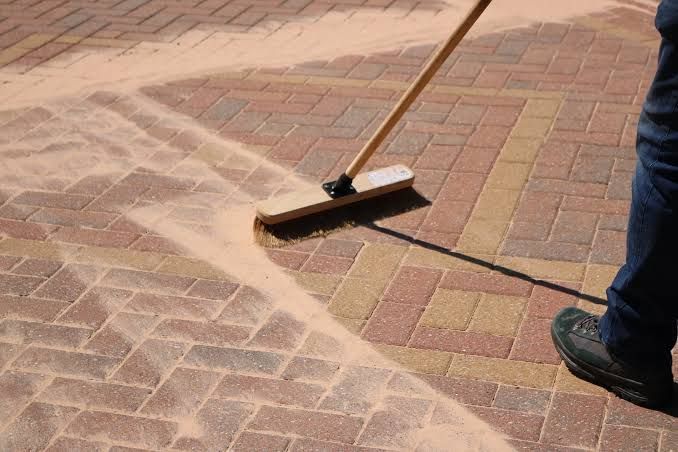
Re sanding should only be done when the paving is fully dry. The sand needs to fall into the joints properly. Brush it across the surface until the joints are filled. Then sweep away the extra sand from the top.
This step gives the paving a cleaner finish and helps support the blocks. If you want to know
how to clean block paving like a professional, re sanding is one of the most important parts of the job.
Should you seal block paving
Sealing block paving is optional, but it can be helpful. A good sealer can help protect the surface from stains, weeds, moss, and water damage. It can also improve the colour of the blocks and make future cleaning easier.
Sealing should only be done after the paving has been cleaned, dried, and re sanded. If the paving is sealed while it is still dirty or damp, the finish may look poor.
Not every driveway needs sealing. Some homeowners prefer a natural look, while others want extra protection. The best choice depends on the age of the paving, the condition of the blocks, the level of use, and the type of finish you want.
For more help, you can link this blog to your driveway sealing page, as sealing is a useful next step after cleaning.
How often block paving should be cleaned
Most block paving should be cleaned at least once a year. Some areas may need light cleaning more often, especially if they are shaded, used daily, or close to trees.
Driveways in Bradford, Heaton, Eccleshill, Shipley, and Bingley can collect dirt quickly because of wet weather and regular vehicle use. Patios and paths can also become slippery if moss and algae are left for too long.
A simple maintenance routine can help. Sweep the surface often, remove weeds early, treat stains quickly, and book a deeper clean when the paving starts to look dull or slippery.
If you are learning
how to clean block paving, the best advice is to clean little and often instead of waiting until the surface is heavily stained.
Professional block paving cleaning in Bradford
Some block paving can be cleaned at home, but there are times when professional help makes sense. Large driveways, heavy staining, thick moss, deep weeds, old jointing sand, and uneven cleaning marks can be difficult to manage without the right equipment.
Jimmy's External Cleaning Services helps homeowners with professional exterior cleaning in Bradford and nearby areas including Heaton, Eccleshill, Shipley, and Bingley. The service is useful when you want your paving cleaned safely, with care taken around the blocks, joints, stains, and aftercare.
People often use a professional service because it saves time, gives a more even finish, and helps avoid common mistakes such as using too much pressure or forgetting to re sand the joints.
You can also link this content to your driveway cleaning page because many people looking for
how to clean block paving may also need full driveway cleaning support.
Frequently Asked Questions
What is the best way to clean block paving
The best way is to sweep the surface, remove weeds, treat stains, use a suitable paving cleaner, rinse carefully, and re sand the joints after the paving is dry.
Can I clean block paving myself
Yes, you can clean light dirt yourself with a brush, water, and a safe cleaner. For heavy moss, oil stains, large driveways, or tired joints, professional cleaning may give a better result.
Can pressure washing damage block paving
Yes, if the pressure is too high or the nozzle is too close. It can remove jointing sand and mark the surface. Pressure washing should be done with care.
How do I stop weeds growing back in block paving
Remove weeds by the roots, keep the surface clean, brush often, and make sure the joints are filled with kiln dried sand. Sealing may also help reduce weed growth.
Do I need to re sand block paving after cleaning
Yes, if sand has been washed out of the joints. Re sanding helps keep the blocks stable and gives the paving a neat finish.
How long should block paving dry before re sanding
The paving should be fully dry before re sanding. If the blocks or joints are damp, the sand may clump and not fall into the joints properly.
How often should block paving be professionally cleaned
Many homes benefit from a professional clean once a year. Busy driveways, shaded patios, and areas with heavy moss may need attention sooner.
Who cleans block paving in Bradford
Jimmy's External Cleaning Services provides professional block paving and exterior cleaning support in Bradford, including nearby areas such as Heaton, Eccleshill, Shipley, and Bingley.