


Velvet looks rich, soft and elegant, but its raised surface needs careful handling. The safest way to learn how to clean velvet upholstery fabric is to first identify what the velvet fibres are made from and check the manufacturer’s care instructions. Cotton velvet, synthetic velvet, crushed velvet and silk blend velvet can all react differently to moisture, heat and cleaning products.
A gentle cleaning method can remove dust, fresh spills and light marks while protecting the velvet pile. However, too much water, strong chemicals or hard rubbing may leave water marks, flatten the pile or change the colour. If the fabric is valuable, antique, damaged or badly stained, professional assessment is usually the safest option.
What Makes Velvet Different?
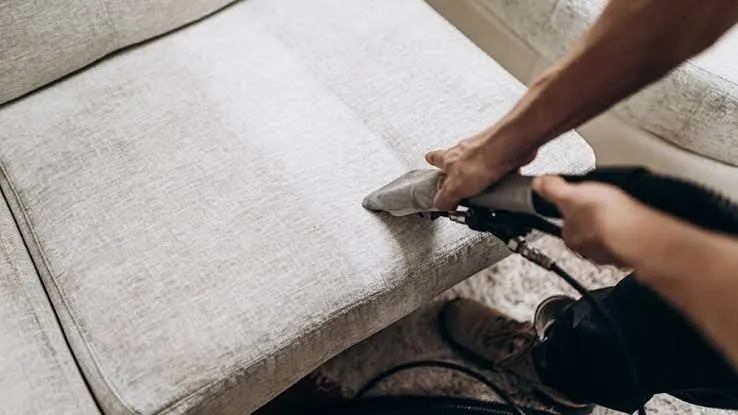
Velvet has a soft surface made from closely cut raised fibres. These fibres reflect light in different directions, which gives velvet its deep colour and smooth appearance. The same feature also makes marks and shade changes easier to see.
When you sit on velvet furniture, the pressure can push the fibres in different directions. This may create light or dark patches that look like stains, even when the fabric is clean. Dust, body oils, pet hair and food particles can also settle between the fibres.
Learning
how to clean velvet upholstery fabric
means understanding that the surface should be lifted and supported rather than scrubbed. Gentle tools, low moisture and patience are more useful than force.
What Is Velvet Pile?
The velvet pile is the layer of short raised fibres on the face of the fabric. It is responsible for the soft feel and changing shine. If the pile is crushed, cut or glued together by a cleaning product, the original appearance may not return fully.
Velvet pile can be affected by:
- Heavy furniture use
- Direct sunlight
- Rough brushing
- Excessive moisture
- High heat
- Strong detergents
- Sticky residues
- Incorrect steam cleaning
Before you
clean velvet material
, check whether the pile is simply pressed down or genuinely damaged. A soft brush may lift flattened fibres, but worn or broken fibres usually need professional advice.
Cotton Velvet
Cotton velvet is soft and comfortable, but it can be sensitive to water. It may shrink, develop tide marks or show colour movement if it becomes too wet. Cotton fibres can also hold moisture for longer than some synthetic materials.
For cotton velvet, begin with dry cleaning methods. Vacuum the surface gently and remove loose dirt before considering any spot treatment. If the care label permits water based cleaning, use a small amount of suitable solution on a hidden area first.
Never soak cotton velvet. Apply moisture to a cloth rather than pouring it directly onto the fabric. Blot gently and allow the area to dry naturally with good airflow.
Synthetic Velvet
Synthetic velvet may be made from polyester, nylon or a blend of man made fibres. It is often more resistant to everyday wear than cotton velvet, but it still needs careful treatment.
Synthetic velvet can sometimes tolerate controlled moisture, depending on the backing and dye. Always check the label before cleaning. A fabric that appears strong on the surface may have a delicate backing that reacts badly to water.
Use a clean white cloth for testing. If colour transfers to the cloth, stop and arrange professional advice. This is an important part of
velvet fabric cleaning
because colour transfer can spread quickly across a visible panel.
Crushed Velvet
Crushed velvet has an intentionally uneven surface. Its light and dark areas are part of the design, so brushing or pressing it in one direction may change its appearance.
Do not try to make crushed velvet look uniform. Clean it gently in small sections and follow the natural pattern of the pile. Avoid strong steam, hard rubbing and repeated passes over the same area.
If the fabric has deep marks, ask a professional cleaner to inspect it before applying products. Incorrect treatment can make the crushed pattern look patchy.
Other Delicate Velvet Materials
Some velvet upholstery contains silk, viscose, rayon, linen or mixed fibres. These materials can be more sensitive to moisture, friction and heat. Antique velvet may also have weakened fibres or unstable dyes.
If the label says dry clean only, do not experiment with household products. Furniture velvet is not always treated in the same way as removable clothing fabric. The backing, padding and frame can all affect the result.
For specialist information about velvet as a textile, you can read the
Wikipedia explanation of velve
t
.
Check the Cleaning Instructions
The care label is the first place to look when deciding how to clean velvet upholstery fabric .
Common symbols may indicate whether the material allows water based cleaning, solvent based cleaning or vacuuming only.
Look for:
- Fibre content
- Cleaning symbols
- Manufacturer instructions
- Warnings about heat
- Instructions for removable covers
- Advice about professional cleaning
If the label is missing, contact the furniture manufacturer where possible. Take a photograph of the fabric and describe the item before choosing a cleaning method.
A removable cover is not automatically safe for a washing machine. Washing may cause shrinking, colour loss or difficulty fitting the cover back onto the cushion.
Vacuuming Velvet Fabric
Vacuuming is the safest regular method for removing loose dust and crumbs. Use a clean upholstery attachment with soft bristles. Keep suction moderate and avoid dragging a hard nozzle across the surface.
Vacuum in the direction of the pile where possible. Work slowly around seams, buttons and cushion edges. If the furniture has loose cushions, remove them and clean underneath carefully.
Do not press the attachment firmly into the fabric. Excess pressure can flatten the pile and create uneven shading. Regular gentle vacuuming helps reduce the amount of dirt that later needs wet cleaning.
If you need wider furniture care, our
upholstery cleaning Bradford service
can assess sofas, armchairs and dining chairs according to their fabric and condition.
Brushing Velvet Fabric
A soft velvet brush can help lift dust and restore the surface direction. Use light strokes and avoid brushing repeatedly over one small patch.
Before brushing, check whether the fabric manufacturer permits it. Some delicate velvet surfaces can snag or shed when handled with the wrong brush.
Brush from a clean area towards the edge of the panel. Do not use a stiff household brush, clothing brush with sharp edges or abrasive sponge.
Brushing is useful for routine
velvet pile care
, but it cannot repair permanently worn fibres.
Treating Fresh Spills
Act quickly when a spill occurs. The longer liquid remains on velvet, the deeper it may travel into the pile and backing.
Follow these steps:
- Remove solid material with a blunt spoon.
- Place a clean white towel over the spill.
- Press gently to absorb moisture.
- Replace the towel as it becomes damp.
- Allow the area to dry with natural airflow.
- Check the care label before using any cleaning solution.
Do not wipe from side to side. Wiping spreads the liquid and pushes it deeper into the fibres. Do not use coloured kitchen paper because dye may transfer to the fabric.
If the spill contains milk, coffee, wine, oil or ink, tell a professional cleaner exactly what happened. The substance and the time since the spill can affect the treatment.
Dealing With Dry Marks
Dry marks should be vacuumed first. A soft brush may lift loose residue from the pile. Do not scrape the surface with a knife, card or hard edge.
If the care instructions permit spot cleaning, test a small hidden area. Use a very small amount of approved product on a white cloth and dab gently. Keep the treated area as small as possible.
When you
clean velvet material
, avoid making a sharp wet circle around the mark. Feather the edges carefully so the transition is less visible, but never spread moisture across the whole panel without confirming that the fabric allows it.
Why Rubbing Velvet Is Risky
Rubbing can twist, flatten or break the velvet pile. It may also spread grease from your hands and push dirt further into the fabric.
Hard rubbing can create:
- Shiny patches
- Flattened fibres
- Colour changes
- Rough texture
- Frayed areas
- Permanent pile direction changes
Blotting is safer than rubbing. Even when a mark looks stubborn, repeated pressure rarely improves the result. It often creates a larger damaged area.
Avoiding Water Marks
Water marks appear when moisture dries unevenly. They can be caused by using too much liquid, treating only a small spot or allowing the edge of a damp patch to dry first.
To reduce the risk:
- Use minimal moisture
- Work with a clean white cloth
- Avoid soaking the backing
- Treat according to the care label
- Keep the surface evenly supported
- Allow steady airflow during drying
Some velvet fabrics need a wider controlled treatment rather than a tiny spot clean. A professional can decide whether local treatment is suitable.
For general advice, our guide on
how to clean upholstery fabric
explains why different textiles need different methods.
How to Dry Velvet
Drying is a major part of how to clean velvet upholstery fabric safely. Leave the furniture uncovered and allow air to move around it. Open windows when weather permits, but avoid strong damp air.
Do not use:
- Hairdryers on high heat
- Radiators placed directly beside the furniture
- Heat guns
- Hot irons
- Direct sunlight for long periods
High heat can shrink fibres, alter the backing or create a noticeable change in texture. Pressing velvet while damp may permanently flatten the pile.
Do not sit on the furniture until it is fully dry. Pressure during drying can leave body shaped marks and uneven shading.
Restoring the Pile After Cleaning
Once the fabric is completely dry, inspect the pile in natural light. If the care instructions allow brushing, use a soft velvet brush with gentle strokes.
Some fabrics respond well to light steam held at a safe distance, but steam should never be used automatically. Excess heat and moisture can damage delicate velvet. Only use steam when the manufacturer confirms that it is suitable.
You may also place a clean, dry towel over the area and press lightly with your hand to support the shape. Avoid heavy objects or prolonged pressure.
If the pile remains flat, shiny or uneven after drying, stop experimenting. Repeated treatment may make the damage worse.
Signs You Should Stop Cleaning
Stop home cleaning if you notice:
- Colour bleeding
- A spreading wet ring
- Strong colour change
- Sticky residue
- Severe flattening
- Loose fibres
- Fraying
- Shrinkage
- A damaged backing
- A burning or chemical smell
These signs suggest that the material may not be responding safely. Take photographs and contact a professional cleaner. Explain what product was used, how much moisture was applied and how long the area has been affected.
Professional Velvet Cleaning in Bradford
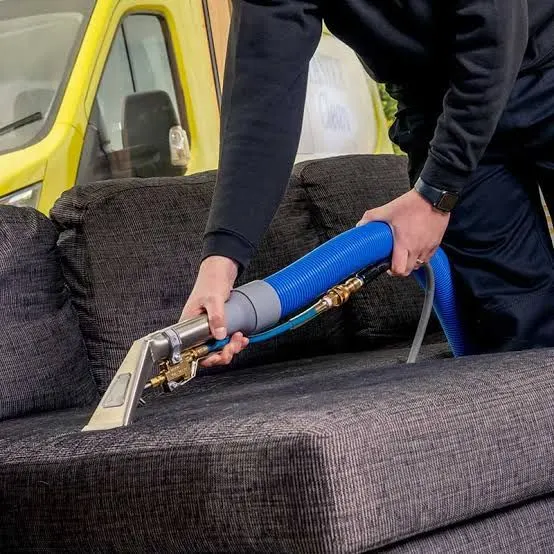
Velvet furniture can be difficult to clean safely without the right equipment and fabric knowledge.
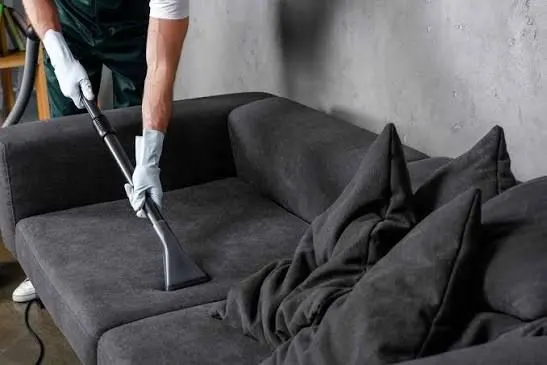
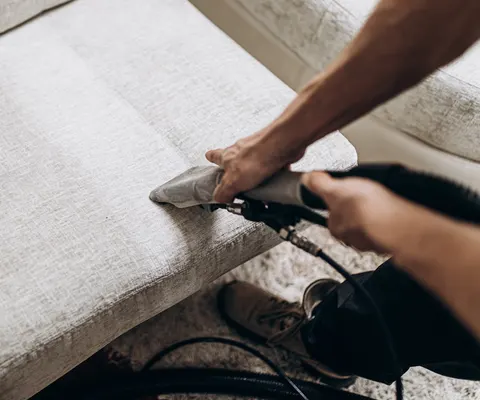
Jimmy's External Cleaning Services provides professional upholstery cleaning in Bradford for sofas, armchairs and other upholstered furniture.
Before work begins, the team can discuss:
- Velvet fibre type
- Manufacturer instructions
- Existing wear
- Stains and odours
- Previous cleaning attempts
- Moisture and drying requirements
- The result that may be achievable
Our sofa and chair cleaning service can help when individual chairs or seating need careful attention. If your home also has carpets that need refreshing, you can arrange an assessment through our carpet cleaning Bradford service .
Jimmy's External Cleaning Services also supports wider property care in Bradford. Homeowners can explore driveway cleaning, patio cleaning and decking cleaning when outdoor surfaces need professional attention.
Send photographs of the velvet furniture, the care label and any marks. Include your Bradford postcode and explain anything already applied to the fabric. This helps the team assess suitability before arranging a visit.
Frequently Asked Questions
What is velvet upholstery made from?
Velvet upholstery may be made from cotton, polyester, nylon, viscose, rayon, silk or a blend of fibres. The exact material depends on the furniture manufacturer. Check the care label because fibre content affects the safest cleaning method.
Can velvet fabric get wet?
Velvet fabric can sometimes tolerate controlled moisture, but this depends on the fibre, backing, dye and manufacturer's instructions. Some velvet can develop water marks, shrinkage or colour movement when wet. Never soak velvet upholstery.
How do you restore velvet pile after cleaning?
Allow the fabric to dry fully, then use a soft velvet brush if the care instructions permit it. Brush gently in the natural direction of the pile. Avoid high heat and strong steam. If the pile remains flat or shiny, seek professional advice.
Can I use washing up liquid on velvet upholstery?
It is better to avoid washing up liquid unless the manufacturer specifically allows it. Household detergents can leave residue, affect colour and change the feel of the pile.
Is steam cleaning safe for velvet?
Steam cleaning is not automatically safe for velvet. Heat and moisture may flatten the pile, damage the backing or cause colour changes. Confirm the care instructions and cleaning method before using steam.
How often should velvet upholstery be cleaned?
Vacuum velvet regularly and deal with spills quickly. Professional cleaning may be needed when dirt, odours or visible marks remain after routine care. The correct interval depends on use, pets, children and the fabric type.
Can professional cleaning remove every velvet stain?
No. Some stains cause permanent dye changes or fibre damage. Professional cleaning can improve many marks, but the final result depends on the substance, age of the stain, previous treatments and condition of the velvet.
Should I clean antique velvet furniture at home?
Antique velvet should be assessed before cleaning. Older fabric may have weak fibres, unstable dyes or fragile backing. Home treatment can cause irreversible damage, so specialist advice is recommended.
What should I do if velvet changes colour after cleaning?
Stop applying products and allow the area to dry naturally. Do not rub or add more water. Photograph the affected area and contact a professional cleaner for advice.
The safest answer to how to clean velvet upholstery fabric is to identify the fibre, follow the care label, remove loose dirt gently and use as little moisture as possible. Blot fresh spills, avoid rubbing and allow the fabric to dry naturally.
For delicate, valuable or heavily marked velvet furniture, contact Jimmy's External Cleaning Services in Bradford before applying a household cleaner. Professional guidance can help protect the colour, texture and soft velvet pile.