How to Get Car Oil Off Driveway Surfaces Fast Today
A leaking car can leave a dark, greasy mark on your driveway within minutes. The sooner you act, the better your chance of removing the stain. Fresh oil normally sits close to the surface, while an older stain can soak deep into concrete, paving blocks or damaged tarmac.
Knowing How to Get Car Oil Off Driveway Surfaces means using the right method for the material. A cleaning product that works well on concrete may damage tarmac or affect the finish of a resin driveway. Strong pressure can also make the problem worse by spreading the oil or damaging the surface.
This guide explains how to deal with fresh spills, old stains and different driveway materials. It also covers safe products, common mistakes and professional oil stain removal in Bradford, Shipley, Baildon, Wibsey and Keighley.
Quick Answer
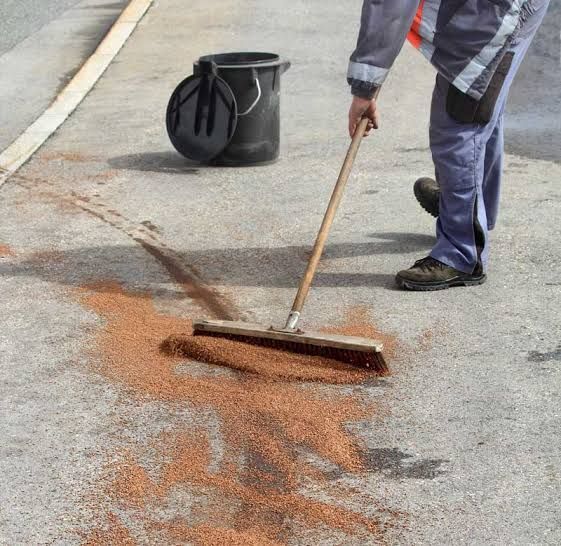
The best way to remove car oil from a driveway is to absorb as much of the fresh oil as possible before washing the surface.
Follow these steps:
- Stop the leak or move the vehicle safely.
- Prevent the oil from reaching drains, soil or nearby paving.
- Cover the spill with cat litter, sand or a proper oil absorbent.
- Leave the absorbent in place until it has collected the liquid.
- Sweep it up and place it in a suitable sealed container.
- Apply a driveway cleaner or degreaser that is safe for the surface.
- Gently scrub the area with a stiff nylon brush.
- Rinse carefully without pushing oily water into a drain.
- Allow the surface to dry before checking the result.
- Repeat the treatment if a dark shadow remains.
This is the quick answer to How to Get Car Oil Off Driveway Surfaces, but the safest cleaning method will depend on whether your driveway is block paving, concrete, tarmac or resin.
Why Oil Stains Are Hard to Remove
Engine oil does not mix easily with water. If you spray an oil stain with a hose, the water may move the oil around instead of removing it. This can create a wider stain and send polluted water towards a drain, garden or public pavement.
Many driveway materials are also porous. Concrete, clay blocks and some paving materials contain small openings that allow liquid to soak below the visible surface. Once the oil enters these pores, cleaning the top layer may not remove the full stain.
The age of the stain matters too. A fresh spill may still be wet and can often be absorbed. An old oil mark may have mixed with dirt, road dust and organic growth. Heat from the sun and pressure from vehicle tyres can push it deeper into the driveway.
Other factors that affect the result include:
- The amount of oil spilled
- The type and age of the oil
- How long the stain has been present
- The condition of the driveway
- Whether the surface has been sealed
- The cleaning products previously used
- The temperature and weather during treatment
A pale shadow may remain after the oil itself has been removed. This does not always mean the cleaning failed. Deep staining can permanently change the colour of a porous surface, especially when the oil has been left for weeks or months.
What to Do First After an Oil Spill
Fast action makes oil removal easier. Before reaching for a pressure washer or cleaning chemical, deal with the source and contain the spill.
Stop the Source of the Oil
Check whether the oil is coming from the engine, gearbox, power steering system or another part of the vehicle. Move the vehicle only if it is safe to do so. Place an oil tray, absorbent pad or thick cardboard beneath the leak until the car can be repaired.
Cleaning the driveway before fixing the leak will only lead to another stain.
Keep Oil Away From Drains
Do not hose the spill towards a surface drain. Oil can pollute water and may be difficult to remove once it enters a drainage system. Use sand, absorbent granules or another barrier around the edge of the spill if it is spreading.
Absorb the Liquid
Cover the entire spill with a thick layer of absorbent material. Suitable options include clay cat litter, commercial oil granules, sand or another product made to absorb vehicle fluids.
Press the material gently onto the stain with an old brush or the sole of a work boot. Do not grind it deeply into delicate resin or damaged tarmac.
Leave it long enough to collect the oil. A small fresh spill may need a short treatment, while a heavier spill may need several hours. Follow the instructions if you are using a commercial product.
Sweep up the oily material carefully. Place it in a suitable container and check the product label and local waste guidance before disposal.
Blot the Remaining Oil
Use absorbent paper, old cloths or purpose made pads to blot any remaining liquid. Do not wipe from side to side because this can make the stain wider. Press down and lift the oil away.
Once the loose oil has been collected, you can begin cleaning the remaining mark.
How to Get Car Oil Off Driveway Surfaces
The safest general method is to absorb, treat, scrub and rinse. Start with the mildest suitable cleaner and only move to a stronger product if needed.
Step 1: Identify the Driveway Material
Look carefully at the surface before choosing a cleaner.
Block paving has separate bricks or blocks with sand filled joints. Concrete usually forms larger solid sections. Tarmac has a dark, slightly rough finish made from stone and bitumen. Resin bound driveways contain small stones held together by a clear or coloured resin.
If you cannot identify the surface, avoid strong chemicals and high pressure cleaning until you have received professional advice.
Step 2: Read the Cleaner Label
Choose a degreaser or oil stain remover made for outdoor driveway surfaces. Confirm that it is suitable for your exact material.
Check the recommended dilution, contact time and rinsing method. More product does not always mean better cleaning. An overly strong mixture may bleach paving, soften tarmac or affect a resin finish.
Step 3: Test a Small Area
Apply a small amount in a hidden corner. Allow it to work, rinse it and let the surface dry. Check for fading, clouding, softness or a change in texture.
This simple test can prevent a small stain from becoming a much larger area of damage.
Step 4: Treat the Stain
Apply the cleaner to the oil mark according to the label. Cover the full stained area, including the darker edges. Avoid flooding the surface.
For an older stain, the cleaner may need time to break down the oily material. Do not allow it to dry unless the instructions specifically say that it should.
Step 5: Scrub Carefully
Use a stiff nylon brush rather than a wire brush. Scrub from the outside of the stain towards the centre. This helps reduce spreading.
Work the cleaner into textured areas and shallow pores without damaging the surface. Use lighter pressure on resin and tarmac.
Step 6: Rinse in a Controlled Way
Use a small amount of clean water and prevent the dirty water from entering a drain or neighbouring property. Collect residue where practical.
A pressure washer may help on some robust surfaces, but it should not be the first response to a fresh oil spill. Pressure can spread oil, remove jointing sand and damage weak surfaces.
Step 7: Let the Driveway Dry
A wet driveway often looks darker, making it hard to judge the result. Let the area dry fully before applying another treatment.
If the stain is lighter but still visible, a second controlled application may help. Several mild treatments are often safer than one aggressive attempt.
These steps provide a practical answer to How to Get Car Oil Off Driveway Surfaces without immediately risking damage.
How to Clean Oil From Block Paving
Block paving can be difficult because oil may soak into the individual blocks and the sand between them. The joints can also carry the spill into a wider area.
Begin by covering fresh oil with absorbent granules or cat litter. Once the loose oil has been collected, sweep the area thoroughly.
Apply a block paving safe oil remover to the stained blocks. Work on the affected area without allowing the product to spread across the whole driveway. Use a stiff nylon brush to loosen the grease.
Rinse carefully and watch the joints. Strong washing can remove jointing sand and reduce the support between the blocks. If a large amount of sand is lost, the area may need to be filled with clean kiln dried sand after it has dried.
Old stains can be harder to remove because each paving block may absorb oil differently. Sometimes one or two blocks remain permanently darker. If cleaning cannot improve them enough, replacing the affected blocks may provide a better result.
Turning spare blocks over is sometimes suggested, but it may not work if oil has soaked through. The reverse side may also have a different colour or texture.
After successful cleaning, suitable driveway sealing may help reduce future absorption. The surface must be clean, properly prepared and fully dry before any sealer is applied. Sealer should never be used to cover an active oil stain because it may trap the mark beneath the finish.
How to Clean Oil From Concrete
Concrete is strong, but it is also porous. Fresh engine oil can move into its tiny openings very quickly.
Start with a dry absorbent material. Do not add water while free oil is still sitting on the surface. Once the loose liquid has been removed, apply a concrete safe degreaser.
Scrub the product into the stained area with a nylon brush. Give it the recommended contact time and keep it from drying too early. Rinse carefully and let the concrete dry completely.
A poultice treatment may help with an old, deep stain. A poultice is an absorbent cleaning paste placed over the mark. As it dries, it draws some of the oily material towards the surface. Use a ready made product designed for concrete and follow its instructions closely.
Avoid using acid to remove car oil. Acid is better known for reacting with mineral deposits and cement based materials. It may etch concrete, lighten the surface or expose the aggregate without properly removing the oil.
Do not use a wire brush because it can scratch the concrete and leave metal particles that may rust. A stiff nylon brush is safer for most domestic surfaces.
Imprinted concrete needs extra care. Strong cleaner or aggressive pressure can affect the coloured finish and existing sealer. If the surface is decorative, test every product first or arrange a professional inspection.
When considering
How to Get Car Oil Off Driveway Surfaces made from concrete, patience is important. One deep stain may need more than one treatment, with full drying time between applications.
How to Clean Oil From Tarmac
Tarmac requires a gentler approach. It contains a bitumen binder, and car oil can soften or weaken that binder. Strong solvents may make the damage worse.
Cover a fresh spill immediately with absorbent granules. Remove the saturated material and repeat until no free oil remains.
For the remaining mark, use a mild detergent or a cleaner specifically approved for tarmac. Apply a small amount and use a soft or medium nylon brush. Rinse with cool water at low pressure.
Do not use petrol, paint thinner, white spirit or another solvent. These products can attack the tarmac binder and leave a soft, loose patch.
Avoid holding a pressure washer nozzle close to the surface. High pressure can dislodge stones, widen cracks and create a rough hollow. Older tarmac and thin edges are especially vulnerable.
Inspect the area after it dries. If the tarmac feels soft, breaks apart or loses stones, cleaning alone may not solve the problem. The damaged section may require repair or restoration.
Jimmy’s External Cleaning Services provides careful driveway cleaning in Bradford for different driveway materials. The cleaning method and pressure can be adjusted to suit tarmac instead of treating it like concrete or block paving.
How to Clean Oil From Resin
Resin driveways have an attractive stone finish, but harsh cleaning can affect the resin that holds the stones together.
Blot fresh oil and use an absorbent material as soon as possible. Avoid rubbing the spill across the stones.
Wash the affected area with warm water and a small amount of mild detergent. Use a soft brush and gentle circular movements. Rinse with clean water at low pressure.
For a stronger treatment, choose a product confirmed as safe for resin bound or resin bonded surfaces. These are not always the same type of driveway, so follow the installer or product maker’s care advice when available.
Avoid strong solvents, concentrated bleach, boiling water and aggressive degreasers. These may cause clouding, colour changes or softening. High pressure cleaning used too close to the surface may loosen stones or damage weak sections.
If a dark stain remains after gentle cleaning, do not keep increasing the chemical strength. A professional assessment is safer than risking permanent surface damage.
Best Products for Driveway Oil Stains
Choosing the right product is an important part of How to Get Car Oil Off Driveway Surfaces. The best option depends on whether the spill is fresh or old and whether the driveway is concrete, paving, tarmac or resin.
Oil Absorbent Granules
Commercial oil granules are useful for fresh spills. They collect liquid before it moves further into the surface. Keep a bag in the garage if your vehicle has a history of leaks.
Clay Cat Litter
Basic clay cat litter can absorb fresh oil. Choose a simple product without added fragrance or gel. Crush it gently over the spill to increase contact, then sweep it up carefully.
Driveway Degreaser
A purpose made driveway degreaser can break down oily residue. Check the label for compatible surfaces. A product suitable for concrete may not be safe for tarmac or resin.
Mild Washing Up Liquid
A small amount of mild washing up liquid can help with a light, fresh mark after the free oil has been absorbed. It is not always strong enough for old stains, but it may be a sensible first treatment on a suitable surface.
Use only a small amount and rinse thoroughly. Excess foam can make residue difficult to collect.
Oil Stain Poultice
A ready made poultice can help pull an old stain from porous concrete or paving. It is generally applied as a paste, left to dry and then removed. Check that it is intended for the driveway material.
Biological or Enzyme Cleaner
Some products use biological action to break down oil over time. They can be useful for suitable porous surfaces, but they are not instant solutions. Temperature, moisture and contact time may affect performance.
Always follow the label. Do not mix different cleaning products because the combination may be unsafe or may damage the driveway.
Products and Methods to Avoid
The wrong treatment may create discolouration, surface damage or a larger stain.
Avoid the following:
- Petrol or diesel used as a cleaner
- Paint thinner and strong solvents
- Undiluted bleach
- Acid based brick cleaner
- Boiling water on resin or tarmac
- Wire brushes on concrete or paving
- High pressure washing on weak tarmac
- Hosing fresh oil into a drain
- Mixing separate cleaning chemicals
- Applying sealer over remaining oil
Pressure washing alone is not a complete oil removal method. Water pressure can remove surface dirt, but oil often needs a suitable absorbent and degreasing treatment first.
Can Pressure Washing Remove a Car Oil Stain?
Pressure washing may improve the final appearance of a suitable concrete or block paved driveway, but it should normally follow stain treatment. It does not absorb oil or safely break down every oily residue.
Using high pressure too soon may spread contamination across clean paving. It can also remove jointing sand, disturb loose blocks, expose concrete aggregate or damage tarmac.
Professional equipment can be adjusted for different surfaces. The operator can also treat the stain before cleaning the wider driveway. This produces a more even finish and reduces the risk of leaving one unusually clean patch around the original mark.
When an Oil Stain Needs Professional Cleaning
Some small, fresh spills can be handled at home. Professional help may be more suitable when:
- The oil has been present for several weeks or months.
- The stain covers a large area.
- Oil has entered several block paving joints.
- The driveway has decorative or coloured concrete.
- The tarmac has become soft or loose.
- The resin surface is changing colour.
- Previous cleaning attempts have spread the stain.
- You cannot prevent dirty water from reaching a drain.
- The driveway needs cleaning, sanding or sealing after treatment.
- You are unsure which chemical is safe.
A professional cleaner cannot promise that every old oil stain will disappear completely. Honest assessment is important because deep oil can permanently alter porous materials. However, correct treatment can often make the stain much less noticeable and improve the wider driveway.
Oil Stain Removal in Bradford
Driveways across Bradford receive regular vehicle use and are exposed to rain, dirt, leaves, moss and changing temperatures. When engine oil is added to this existing buildup, the stain can become even more visible.
Jimmy’s External Cleaning Services helps homeowners with driveway cleaning and restoration across Bradford and surrounding locations.
Bradford
Properties throughout Bradford have many types of driveways, including block paving, concrete, tarmac, resin and natural stone. The correct stain treatment must match the surface rather than relying on one cleaning method for every home.
Shipley
A fresh spill on a driveway in Shipley should be absorbed before rain can spread it. Older paving may also have worn joints that need careful cleaning and possible sanding after the stain has been treated.
Baildon
Resin, paving and decorative concrete driveways are common choices around residential properties. These finishes need controlled cleaning to protect their colour and texture.
Wibsey
Tarmac and block paving can both develop dark vehicle stains, but they require very different pressure and chemical strength. Identifying the surface is the first step.
Keighley
Large driveways and parking areas may have more than one oil mark. Treating only individual spots can leave an uneven finish, so cleaning the wider surface may sometimes provide a better overall result.
Jimmy’s External Cleaning Services can inspect the driveway, identify the surface and choose a suitable treatment. Where appropriate, the team can also clean the full area, replace jointing sand and discuss protective sealing.
To request an assessment, send photographs of the driveway and close views of the oil stain through the contact page.
How Driveway Sealing Can Help
A suitable sealer may reduce how quickly future spills enter some driveway materials. It can also make routine cleaning easier because oil has less direct contact with open pores.
Sealing is not suitable for every surface or every condition. The driveway must first be cleaned and allowed to dry. Existing oil, dirt and moisture can affect adhesion and appearance.
Block paving may require fresh kiln dried sand before sealing. Imprinted concrete may need a compatible resealing product. Tarmac restoration uses a different coating and process. Resin surfaces should only receive treatments approved for that system.
Sealing does not make a driveway completely stain proof. Fresh oil should still be absorbed immediately. Learn more about professional driveway sealing in Bradford.
How to Prevent New Oil Stains
Prevention is normally easier than deep stain removal.
Check beneath your vehicle regularly. A few small drops may be an early sign of a leak. Arrange repairs before the leak becomes worse.
Place a proper drip tray beneath a vehicle that is waiting for repair. Absorbent garage mats can also help, but they must be suitable for outdoor use and should not trap moisture against the driveway.
Keep oil absorbent granules, a brush, gloves and a waste container nearby. Being prepared allows you to respond as soon as a spill happens.
Clean routine dirt from the driveway so new leaks are easy to notice. On a heavily soiled surface, a small oil mark may remain hidden until it has soaked deeply into the material.
Consider suitable sealing after professional cleaning. It may provide added protection for compatible block paving and concrete surfaces.
Frequently Asked Questions
What is the fastest way to get car oil off a driveway?
Cover fresh oil with absorbent granules or clay cat litter immediately. Sweep up the saturated material, apply a surface safe degreaser, scrub with a nylon brush and rinse carefully. Fast action reduces the amount of oil that enters the driveway.
Does washing up liquid remove oil from a driveway?
Mild washing up liquid may help with a small, fresh mark after loose oil has been absorbed. It may not remove an old or deep stain. Use a small amount, scrub gently and rinse fully without allowing dirty water to enter a drain.
Can I use baking soda on a driveway oil stain?
Baking soda can absorb a small amount of surface oil, but it may not remove oil that has entered concrete or paving. A purpose made absorbent and compatible driveway degreaser will usually provide a more controlled treatment.
Will rain remove car oil from a driveway?
No. Rain may spread the oil and carry it towards drains, soil or other paving. Cover and absorb the spill as soon as possible instead of waiting for wet weather.
Can bleach remove engine oil?
Bleach is not the best product for breaking down engine oil. It may discolour paving, harm nearby plants and create a safety risk if mixed with another cleaner. Use a suitable oil stain remover instead.
Can I pressure wash an oil stain?
Pressure washing can help with final surface cleaning on suitable concrete or block paving. The oil should be absorbed and treated first. High pressure may spread the stain or damage tarmac, resin, joints and weak concrete.
How do I remove an old oil stain from concrete?
Apply a concrete safe degreaser or ready made oil stain poultice. Scrub according to the product instructions, rinse carefully and allow the concrete to dry. Deep stains may need repeated treatment and may leave a faint shadow.
How do I remove car oil from tarmac?
Absorb fresh oil, then use a mild tarmac safe cleaner, a nylon brush and cool water at low pressure. Avoid solvents and strong pressure because they can soften or break apart the tarmac.
Can an oil stained paving block be replaced?
Yes. If one or two blocks remain badly stained after cleaning, replacement may be the most effective option. The new blocks may look brighter at first, but their colour should become less noticeable as they weather.
Will driveway sealer hide an oil stain?
No. Sealer may trap the stain and make future correction harder. Oil must be treated and the driveway must be clean and dry before sealing.
Restore Your Driveway With Local Help
Learning How to Get Car Oil Off Driveway Surfaces can help you act quickly after a small spill. The key is to absorb the oil before washing, choose a surface safe product and avoid excessive pressure.
For an old, widespread or difficult stain, Jimmy’s External Cleaning Services offers a practical local solution. Send clear photographs of the stain and the full driveway to receive advice and a quotation.
Explore professional driveway cleaning in Bradford or contact Jimmy’s External Cleaning Services today to restore a cleaner, safer and more attractive entrance to your property.