How to Clean Upholstery on Chairs - Easy Tips to Try Today
Different chairs need different cleaning methods. Dining chairs collect food spills, armchairs gather dust and body oils, and desk chairs deal with daily contact. Their fabrics, padding and construction can also vary, so using the same cleaner on every chair can cause problems.
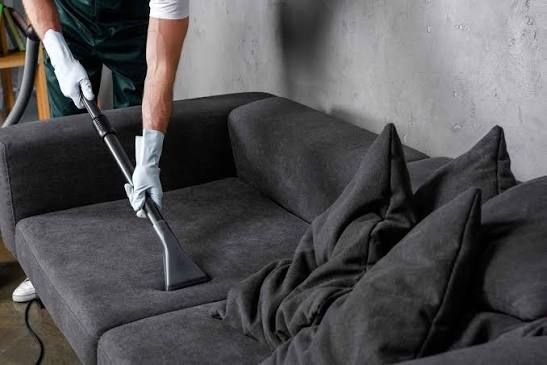
Learning how to clean upholstery on chairs starts with checking each care label. Vacuum thoroughly, test any suitable cleaning product on a hidden patch, treat marks gently and allow everything to dry before use.
This guide covers
chair upholstery cleaning across the home, with practical advice for managing several chairs in one session. For Bradford households, it also explains what to ask before arranging professional help.
How to Clean Upholstery on Chairs
Start by checking the label beneath each chair or cushion. Look for written cleaning instructions, fabric details and any restrictions on water or cleaning products.
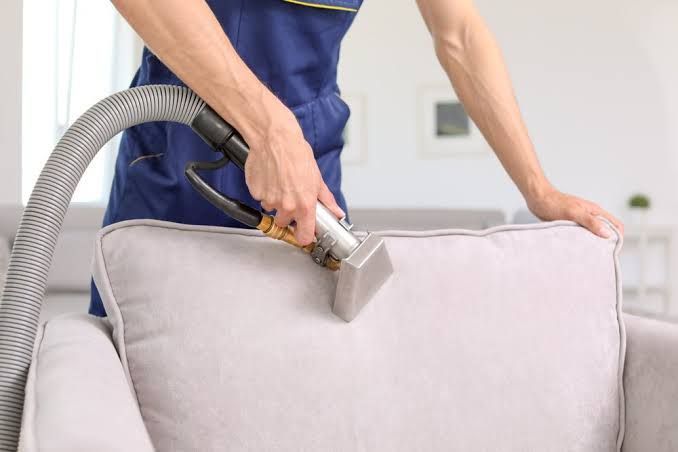
Gather a vacuum with an upholstery attachment, clean white cloths, a suitable cleaner and towels to protect nearby surfaces. Keep a separate cloth for wooden legs and metal frames.
A sensible cleaning order is:
- Inspect each chair for loose seams, worn patches and existing marks.
- Check its care instructions.
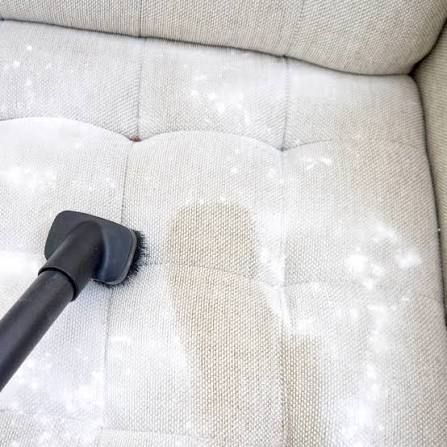
- Vacuum accessible fabric and creases.
- Test the approved cleaner somewhere hidden.
- Let the test patch dry and inspect it.
- Clean suitable areas using the recommended method.
- Leave enough time and space for drying.
The key to
how to clean upholstery on chairs is matching the method to the furniture. A successful result on one chair does not prove that the same product suits another.
Why Chair Type Matters
A dining chair may have a thin padded seat over a firm base. An armchair can contain deep foam cushions, several fabric panels and layers that are harder to dry.
Upholstery includes the covering and the supporting materials beneath it, such as padding, springs and webbing. Cleaning therefore involves more than the visible fabric.
Chair shape matters too. Deep buttons trap crumbs, piping creates narrow edges, and wooden trim needs protection from cleaning liquid.
Before starting, group chairs by their care requirements. Keep washable covers separate from fixed upholstery. Treat delicate or unidentified fabrics as a separate job.
This makes cleaning several pieces of
upholstered seating easier to organise without assuming they all tolerate the same treatment.
Cleaning Upholstered Dining Chairs
Dining chair cleaning often centres on crumbs, sauce, greasy fingerprints and drink spills. Check the front edge of each seat and the upper back where people grip the chair.
Vacuum the seat, seams and underside edges first. Remove loose food carefully without pressing it deeper into the weave.
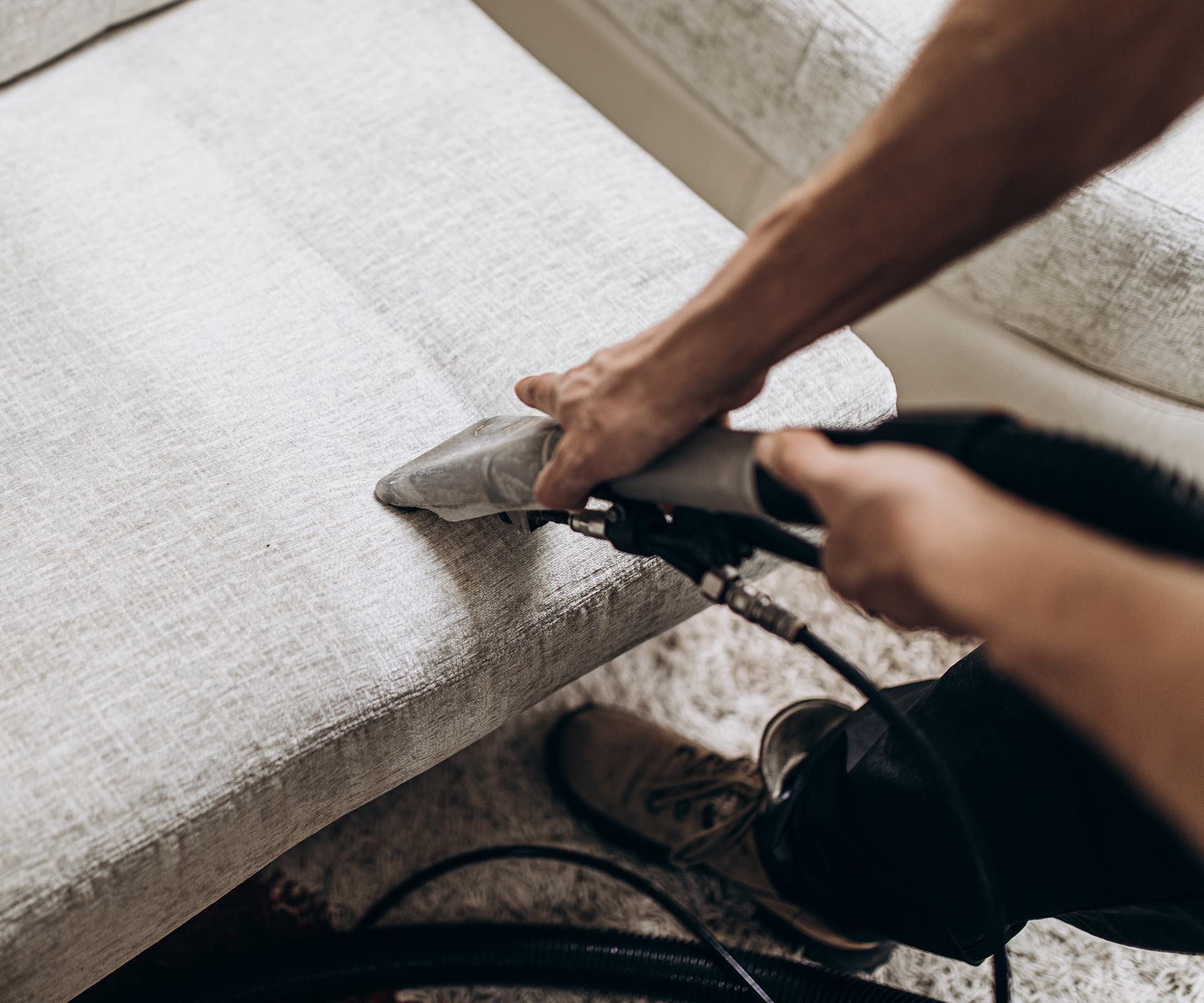
For fabric that permits liquid cleaning, use an approved upholstery product exactly as directed. Avoid spraying so much that the padding becomes wet.
Protect wooden frames from drips and wipe accidental splashes promptly. Keep moisture away from exposed joints and unfinished surfaces.
Work through matching dining chairs in a consistent order. However, test each chair if some have been recovered or replaced.
If a mark remains after a suitable gentle treatment, stop before repeated cleaning leaves a pale patch or damages the texture.
Cleaning Fabric Armchairs
Armchairs need attention across more than the seat. Dust collects behind cushions, while armrests and headrests can develop visible marks from regular contact.
Remove loose cushions only where the design allows. Vacuum the base, sides, back and cushion edges before treating any stains.
Check both faces of a reversible cushion. One side may look clean while the other holds crumbs or old spill marks.
When learning how to clean upholstery on chairs with thick cushions, moisture control deserves extra attention. A surface can feel dry while the filling still holds water.
Avoid repeatedly wetting a dark armrest in an attempt to match the surrounding fabric. The difference may include wear or colour loss that cleaning cannot reverse.
Keep recliner controls, motors and electrical connections dry, and follow the chair maker’s instructions.
Cleaning Occasional Chairs
Occasional chairs may be used less often, but their fabrics can be more decorative. A bedroom accent chair could have velvet, a loose weave or a delicate trim.
Begin with gentle vacuuming using an appropriate attachment and suction setting. Check that the tool does not catch threads or pull at decorative details.
Inspect the top edge, seat corners and areas where clothes or bags are placed. These spots may collect dust even when nobody regularly sits there.
Do not assume a lightly used chair needs wet cleaning. Removing surface dust may be enough.
For older furniture, unknown fabric or fragile upholstery, ask a specialist before applying a cleaner. Avoid aggressive brushing, which can disturb the pile or alter the appearance of a patterned surface.
Cleaning Upholstered Desk Chairs
Desk chairs often develop marks where hands, clothing and hair repeatedly touch the fabric.
Lunch crumbs can also collect between the seat and backrest.
Vacuum the seat, back and accessible gaps. Use a separate cloth for the base, armrest supports and adjustment levers.
Check whether the back is fabric, mesh or another material. A padded seat and mesh back may need different care, even on the same chair.
For suitable upholstery, apply the approved treatment carefully and keep liquid away from mechanisms and electrical components.
Plan fabric chair cleaning after work or before a day when another seat is available. Using the chair while damp can transfer moisture to clothing and slow drying.
Clean castors separately so dirt from the wheels does not end up on the fabric.
Cleaning High Use Family Chairs
Family seating can collect pet hair, snack crumbs and small spills throughout the week. A simple routine helps prevent several little marks becoming one larger cleaning job.
Keep a clean absorbent cloth nearby so fresh spills can be dealt with promptly. Use washable throws where appropriate, and wash them according to their own labels.
For how to clean upholstery on chairs used by children and pets, check both furniture instructions and product directions. Keep everyone away during treatment and until the chair is ready for use.
Avoid adding perfume sprays to disguise a persistent smell. First check beneath cushions and around seams for the source.
If a spill has soaked into the filling, surface treatment may not solve it. Explain this clearly when asking a professional to assess the chair.
Vacuuming Several Chairs Efficiently
Prepare your workspace before moving the first chair. Clear a route, gather attachments and decide where cleaned furniture will dry.
Vacuum every chair before opening cleaning products. This keeps dry preparation separate from stain treatment and reduces interruptions.
Work from the upper back down towards the seat. Finish with creases, cushion edges and accessible lower panels.
Use slow passes rather than pushing hard. Check the attachment regularly for grit, trapped hair or rough edges.
For a dining set, start at one end of the table and move around in order. A simple checklist helps you avoid missing the back of a chair.
Empty the vacuum as required and follow its maintenance instructions. Clean tools help prevent dirt from being transferred between pieces of
upholstered seating.
Checking Different Fabric Types
Fabric appearance alone cannot tell you which cleaner to use. Similar looking chairs may have different fibres, dyes, backings or protective finishes.
Some manufacturers use letter codes:
- W: A suitable water based upholstery cleaner may be permitted.
- S: A suitable water free solvent cleaner is required.
- WS or SW: Either type may be permitted under the maker’s instructions.
- X: Vacuuming or gentle brushing only, with no liquid cleaner.
These codes do not automatically mean a cover is machine washable or that an extraction machine is suitable. Follow the complete furniture instructions. Manufacturer guidance also recommends testing and avoiding saturation.
Understanding
how to clean upholstery on chairs means knowing when to pause. If the label is missing, contact the retailer or manufacturer. Cotton, linen, wool, velvet and synthetic blends should not be assigned a cleaning method solely from their names.
Cleaning Seat Pads
Seat pads take much of the daily wear. Inspect the centre, front edge and seams before choosing a treatment.
A removable pad is not necessarily washable. Neither is a cover simply because it has a zip. The opening may exist for assembly rather than routine removal.
If laundering is expressly permitted, follow the stated temperature, detergent and drying instructions. Check whether the cover needs reshaping.
For fixed pads that permit cleaning, use the approved method without soaking the base. Protect nearby wood and keep the treatment controlled.
Where the manufacturer recommends cleaning an entire panel, work evenly from seam to seam. Repeatedly treating only a small circle may leave a noticeable boundary.
Photograph existing marks before starting so you can judge the result after the fabric dries.
Cleaning Chair Backs
Chair backs can collect dust along the top, hand marks at the corners and hair product residue near head height.
Vacuum both sides. The rear panel is easy to overlook, especially when a chair usually stands against a wall.
Support the furniture while cleaning so it does not tip or roll away. Avoid leaning heavily on a narrow backrest.
Apply any permitted treatment carefully. Watch for drips that could travel into seams or reach the floor.
A useful part of how to clean upholstery on chairs is checking the whole piece under good light. Cleaning only the seat may leave an otherwise tidy chair looking uneven.
Do not expect cleaning to correct sun fading, worn fibres or permanent changes in colour.
Cleaning Around Buttons and Piping
Buttons, folds and piping need patience. Crumbs often settle in these areas, but pulling the fabric apart can strain stitching.
Use a suitable narrow vacuum attachment without dragging it across decorative details. Reduce suction where needed for delicate material.
Never use a knife, pin or other sharp tool to dig out debris. If something is firmly trapped, avoid forcing it loose.
During permitted spot treatment, use a small amount of cleaner and keep liquid from pooling around buttons.
Piping may use a different fabric from the main panel. Test it separately if treatment will touch it.
Check seams afterwards. Loose threads and lifting trim need repair rather than more vigorous
chair upholstery cleaning.
Treating Common Chair Stains
The stain and the fabric both influence treatment. Start by identifying what was spilled, when it happened and whether anyone has already applied a product.
Tea and Coffee
Absorb fresh liquid with a clean white cloth, using gentle pressure. Avoid rubbing it across a larger area.
If the fabric permits treatment, use a suitable product according to its directions. Mention milk or sugar when discussing an older stain with a cleaner.
Food and Sauce
Lift loose solids carefully with a spoon. Work gently so the food does not spread into clean fabric.
Treat the remaining mark only with a product suitable for both the stain and upholstery.
Grease and Body Oils
Greasy areas may need a different product from drink stains. Do not assume washing up liquid suits every fabric.
Avoid adding several cleaners in succession. Residue can complicate later treatment.
Mud and Ink
For ordinary mud, allow loose material to dry before gently removing and vacuuming it, where appropriate for the fabric.
Ink needs particular care. Avoid improvised treatments with bleach, nail varnish remover or alcohol.
Knowing
how to clean upholstery on chairs includes recognising when further home treatment could make a stain harder to resolve. Stop if colour transfers, the surface changes or the mark spreads.
Drying Several Chairs Properly
Arrange drying space before starting any liquid treatment. Keep chairs separated so air can move around seats and backs.
Use a suitable room with ventilation. A fan can help circulate air, while a dehumidifier may be useful in a humid space.
In Bradford, choose your cleaning day around the conditions inside your home. Opening windows during wet weather will not always improve drying.
Keep chairs away from direct heat and do not press cushions against radiators. Follow any instructions about sunlight and temperature.
Avoid covering damp upholstery with throws or replacing cushions tightly against one another.
Drying time varies with the fabric, filling, treatment and room conditions. Check seams and thicker areas before use. If upholstery stays damp or develops an unusual smell, seek advice rather than applying more liquid.
How Often Should Upholstered Chairs Be Cleaned?
There is no single schedule that suits every home. Base your routine on use, visible dirt and the manufacturer’s guidance.
As a practical starting point:
- Check dining seats for crumbs and spills after meals.
- Vacuum regularly used fabric chairs about once a week.
- Inspect less used occasional chairs during routine room cleaning.
- Treat fresh spills promptly using an approved method.
- Review heavily used seating periodically to decide whether deeper cleaning is needed.
These are household planning suggestions, not fixed requirements. Some fabrics need more cautious care.
If you are deciding
how to clean upholstery on chairs throughout the year, focus on regular light maintenance. It is usually easier to manage small amounts of loose dirt than to wait until every chair looks heavily soiled.
When Professional Chair Cleaning Saves Time
Several chairs can take longer than expected once inspection, testing and drying are included.
Professional help may be useful for a large dining set, mixed fabrics or widespread marks.
It is also worth seeking advice when labels are missing, previous treatments have failed or a spill has reached the filling.
Before booking, ask:
- Can you assess this particular fabric?
- What method would you use?
- Does the price include seats, backs and sides?
- What preparation should I do?
- What drying conditions will be needed?
- Which marks may remain?
Send clear photographs and explain any previous cleaning attempts. Honest information helps the cleaner assess the job.
Be cautious about promises that every stain will disappear. Permanent dye loss, wear and some old marks cannot be removed through cleaning alone.
Frequently Asked Questions
How Do You Clean Several Upholstered Chairs?
Check every care label, group chairs by cleaning requirements and vacuum them first. Test suitable products on hidden areas, clean in a planned order and leave space for drying. The best approach to how to clean upholstery on chairs is consistent preparation with a method suited to each piece.
Can Dining Chair Upholstery Be Cleaned?
Yes, many dining chair fabrics can be cleaned, but the method depends on their care instructions. Some allow suitable liquid products, while others need solvent treatment or vacuuming only. Check the fabric, padding and frame before starting.
How Often Should Fabric Chairs Be Cleaned?
Vacuum regularly used chairs roughly weekly as a starting routine, and deal with spills promptly. Deeper cleaning depends on dirt, use and fabric requirements. A rarely used bedroom chair may need less attention than dining seating used every day.
Can I Use the Same Cleaner on Every Chair?
Only when each chair’s instructions permit that product. Similar colours or textures do not prove the fabrics are identical. Test separately, particularly when chairs were bought at different times or have been recovered.
Can I Use a Carpet Cleaning Machine on Chairs?
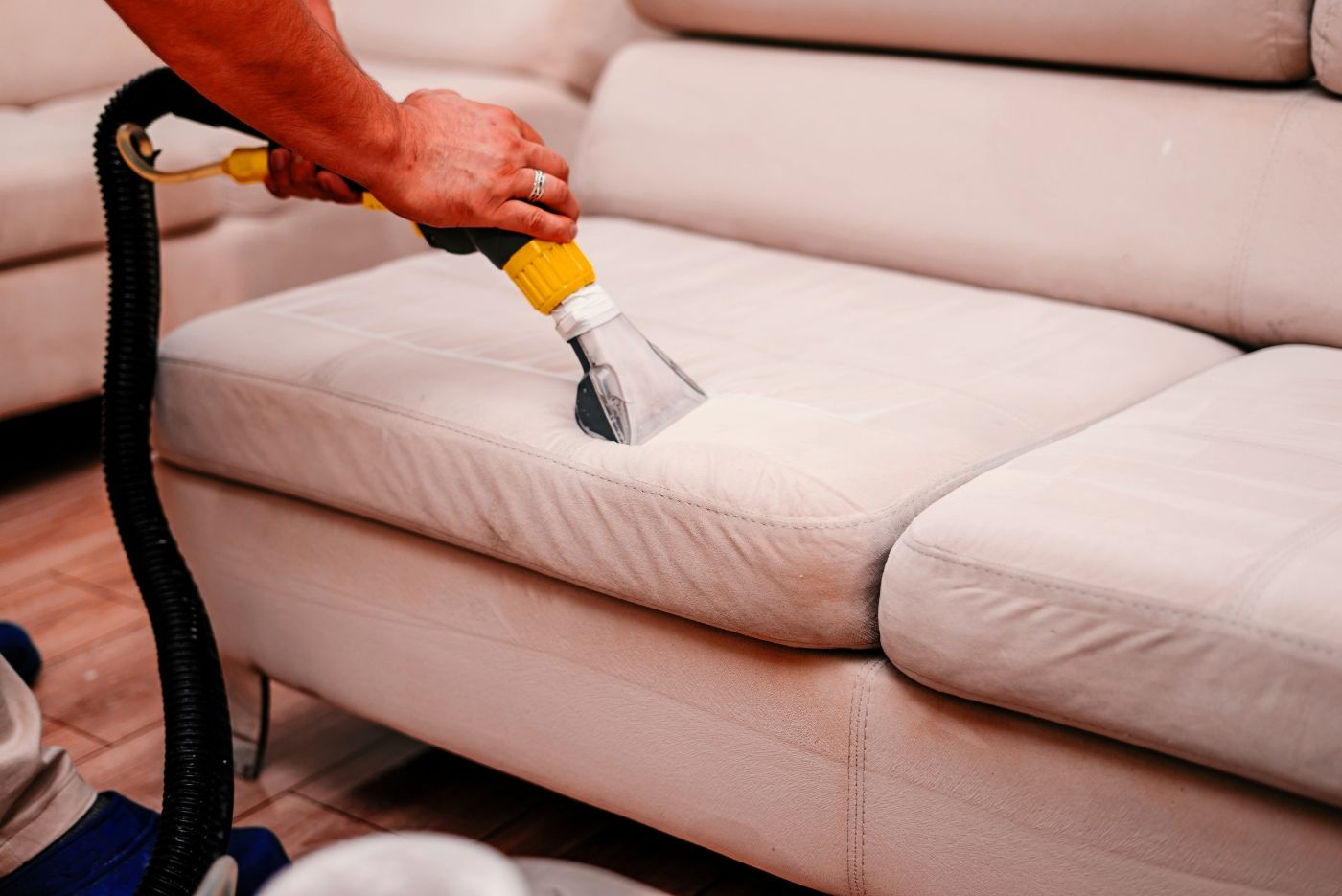
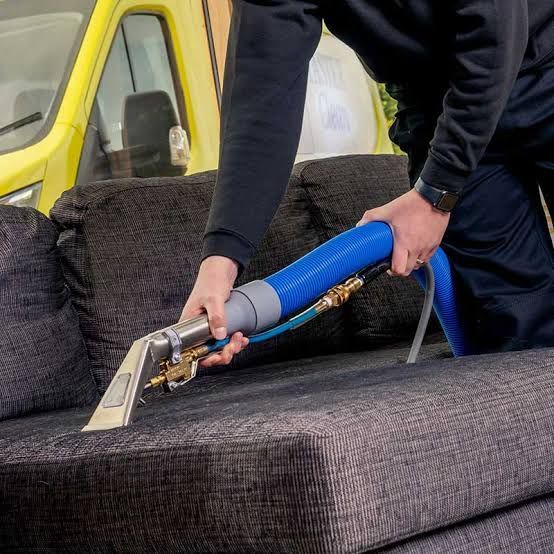
Only if the furniture instructions and machine guidance allow it. An upholstery attachment does not make the machine suitable for every fabric. Excess liquid can reach the filling, so check the recommended method before using extraction equipment.
Why Does a Chair Still Smell After Cleaning?
The source may remain beneath the surface, or the chair may not have dried fully. Avoid repeatedly wetting it or masking the smell with fragrance. Inspect accessible areas and ask a specialist about persistent odours.
What Is the Most Important Cleaning Rule?
Check before applying anything. Understanding how to clean upholstery on chairs begins with the care label, a suitable product and a hidden patch test. Gentle treatment and thorough drying matter more than scrubbing harder.
Chair Upholstery Cleaning in Bradford
When arranging chair upholstery cleaning in Bradford, prepare the chair count, your postcode, photographs and any care labels. Explain whether the furniture includes dining chairs, armchairs, desk chairs or a mixture.
For local cleaning enquiries, contact Jimmy’s External Cleaning Services and describe what needs attention. Confirm whether indoor upholstery cleaning is available for your furniture before requesting a booking.
Jimmy’s website currently promotes exterior cleaning, including outdoor furniture cleaning. You can explore its decking and outdoor furniture cleaning information if your wider project includes garden seating. Indoor upholstered chairs require a separately confirmed service and suitable treatment.
Ready to plan your clean? Send Jimmy’s External Cleaning Services your photos and Bradford postcode, then ask about suitable services and availability.