How Do You Clean Decking?
A clean deck can change the whole look of your garden. It makes your outdoor space safer, fresher, and better for family time, summer meals, and quiet evenings outside. But when decking turns green, black, slimy, or slippery, it can quickly become a problem.
So, how do you clean decking the right way?
The best way is to clear the deck, sweep away loose dirt, apply a suitable decking cleaner, scrub the surface, rinse well, and let it dry fully. If the decking is very dirty, slippery, or stained, you may need a pressure washer or help from a professional decking cleaner.
For homes and businesses in Bradford, Jimmy's External Cleaning Services offers safe and effective decking cleaning that helps bring tired decking back to life.
Simple answer: how do you clean decking?
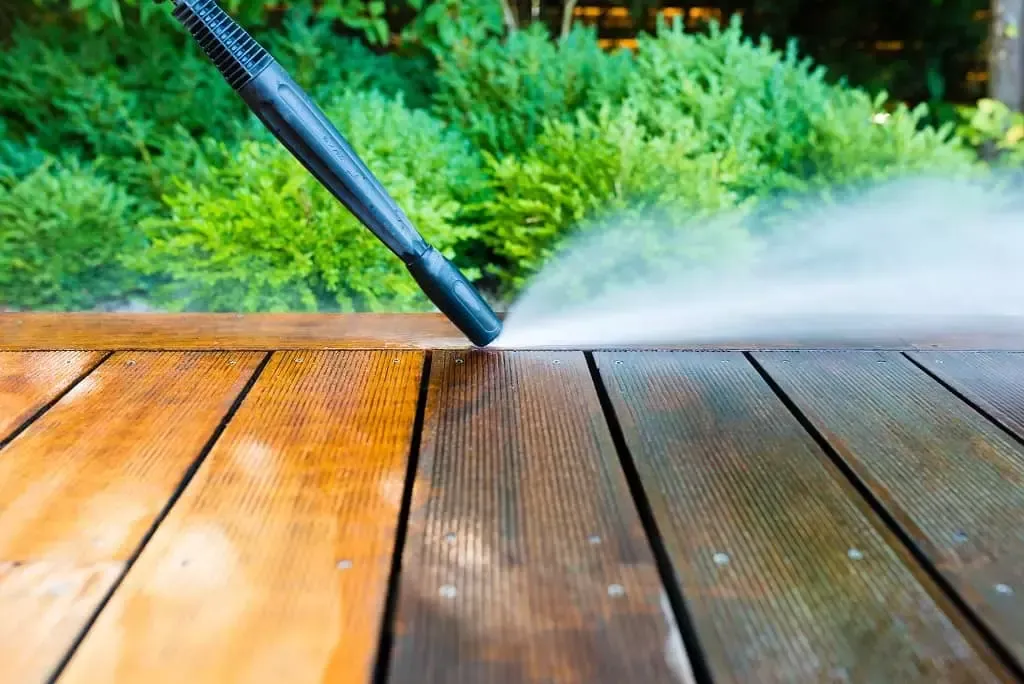
If you want the simple answer to how do you clean decking, here it is.
First, remove all furniture, plant pots, toys, and loose items from the deck. Sweep the full area with a stiff broom. This removes leaves, soil, dust, and small stones.
Next, wet the decking with clean water. Apply a decking cleaner that suits your deck type. Wooden decking and composite decking need different care, so always use the right product.
Leave the cleaner to work for the time shown on the label. Then scrub the boards with a stiff brush. Work along the grain of the wood if you have timber decking. Rinse with clean water and allow the deck to dry.
If the deck has moss, algae, black spots, or heavy grime, a deeper clean may be needed. This is where Jimmy's External Cleaning Services can help. We clean decking across Bradford using careful methods that protect the surface while removing dirt, green growth, and slippery build up.
The short answer to how do you clean decking is simple: sweep, treat, scrub, rinse, and dry.
Why decking becomes dirty, green, and slippery
Decking sits outside all year. It faces rain, frost, shade, leaves, mud, foot traffic, and garden debris. Over time, this builds up on the surface.
In Bradford, decking often becomes dirty because of damp weather. When water sits on the boards, it creates the right place for moss and algae to grow. Shaded gardens, trees, fences, and north facing areas can make this worse.
The green layer you see on decking is often algae. Moss can grow between boards and around edges. Black marks can come from mould, dirt, pollution, and old organic matter. Fallen leaves can also stain the deck if they are left for too long.
This is why people ask how do you clean decking when it becomes slippery. A dirty deck is not just ugly. It can be unsafe. Wet algae and moss can make the boards feel like ice underfoot.
A clean deck helps with:
- Better grip
- A fresher garden
- Longer decking life
- Less staining
- Better kerb appeal
- Safer use in wet weather
If your decking feels slimy or looks green, it is time to clean it before the surface gets worse.
What to check before cleaning decking
Before you start, take a few minutes to check the deck. This helps you clean it safely and avoid damage.
Look for loose boards. If any boards move, lift, or feel weak, they should be repaired before cleaning. A pressure washer or hard scrubbing can make loose boards worse.
Check for raised screws or nails. These can catch your brush, damage cleaning tools, or hurt bare feet later.
Look for rotten wood. Soft, spongy, or cracked timber may need repair before cleaning.
Check the gaps between boards. Leaves and moss often sit in the gaps. If water cannot drain, the deck will get dirty again faster.
Look at the finish. If your decking has paint, stain, oil, or sealant, strong cleaners or pressure washing may affect it. Some finishes may already be worn and need re coating after cleaning.
Also check what type of decking you have. Wooden decking and composite decking do not always need the same cleaning method.
If you are not sure how do you clean decking without causing damage, it is safer to get help from a local expert. Jimmy's External Cleaning Services can inspect the deck and choose the right cleaning method for your surface.
How to clean decking without a pressure washer
You do not always need a pressure washer to clean decking. Many decks can be cleaned well by hand, especially if they are not too dirty.
Start by removing everything from the deck. Sweep the area well. Use a stiff broom to remove loose dirt, leaves, and moss.
Next, rinse the decking with a garden hose or buckets of clean water. This helps loosen dirt and stops the cleaner from drying too fast.
Apply a decking cleaning solution. Use one that is made for your deck type. Spread it evenly over the boards. Do not let it dry out while it works.
Leave it for the right amount of time. This allows the cleaner to break down algae, dirt, and stains.
Now scrub the deck. Use a stiff brush and work in small areas. For wooden decking, scrub along the grain where possible. Pay extra attention to corners, steps, shaded spots, and areas under furniture.
Rinse well with clean water. Any cleaner left behind can make the surface sticky or dull.
Let the decking dry fully before putting furniture back.
This method is good for light dirt, green marks, and general garden grime. It is also a safer choice for older wood, painted decking, or delicate composite boards.
If you are asking how do you clean decking without a pressure washer, the answer is patience, the right cleaner, and steady scrubbing.
How to clean decking with a pressure washer
A pressure washer can clean decking faster, but it must be used with care. Too much pressure can damage wood, lift fibres, mark composite boards, or strip away finish.
Before pressure washing, sweep the deck and clear the gaps. Apply a suitable decking cleaner first. This helps loosen dirt so you do not need to use too much pressure.
Use a wide fan nozzle. Do not use a narrow jet. A narrow jet can cut into timber and leave lines on the surface.
Keep the nozzle moving. Do not hold it in one place. Work with the length of the board, not across it. Keep a steady distance from the surface.
Start with low pressure. Test a small hidden area first. If the surface starts to roughen, splinter, or mark, stop.
After washing, rinse the full deck and allow it to dry.
Pressure washing is useful for:
- Heavy dirt
- Old grime
- Moss and algae
- Large decking areas
- Decking after winter
- Garden decks before summer use
But pressure washing is not always the right answer. Some decking needs soft washing, hand cleaning, or a lower pressure clean.
If you are unsure how do you clean decking with a pressure washer safely, Jimmy's External Cleaning Services can do it for you. We use the right pressure and method for the surface, helping avoid damage while getting a deep clean.
How to clean wooden decking
Wooden decking needs gentle but firm cleaning. Timber is natural, so it can absorb water, grow algae, and become rough if treated badly.
Start with a full sweep. Remove leaves, soil, and loose moss. Use a tool to clear gaps between boards if needed.
Wet the wood before adding cleaner. This helps the cleaner spread and reduces patchy marks.
Apply a wood safe decking cleaner. Avoid harsh products that can bleach, burn, or weaken the timber.
Scrub with a stiff brush along the grain. This helps lift dirt without tearing the wood fibres too much.
Rinse with clean water. Do not leave dirty water sitting on the deck.
Let the decking dry fully. Once dry, check the surface. Some wooden decking may need oiling, staining, or sealing after cleaning. This helps protect it from water, sun, and future green growth.
Do not use very high pressure on wooden decking. It can leave the boards rough and splintered. It can also open the grain, which means dirt and water can get back in faster.
For old wooden decking in Bradford, a professional clean can make a big difference. Jimmy's External Cleaning Services can clean timber decking safely and help restore a fresher look to your garden.
So, how do you clean decking made from wood? Use a wood safe cleaner, scrub with the grain, rinse well, and protect it once dry.
How to clean composite decking
Composite decking is often easier to look after than timber, but it still needs regular cleaning. Dirt, algae, food spills, and garden debris can still sit on the surface.
Start by sweeping the boards. Clear gaps and corners. Composite decking often has grooves where dirt can collect.
Use warm water and a mild cleaner made for composite decking. Avoid strong bleach unless the product maker says it is safe. Some harsh products can fade or mark composite boards.
Scrub with a soft or medium brush. A very hard wire brush can scratch the surface. Work along the grooves if your decking has them.
Rinse well with clean water. Do not allow dirty water to dry on the boards.
For stains, deal with them early. Grease, food, oil, and plant pot marks are easier to remove when fresh.
Be careful with pressure washing composite decking. Some boards allow low pressure cleaning, but others can mark. Always test first or get expert help.
If you are asking how do you clean decking made from composite materials, the answer is to use mild cleaner, gentle brushing, and careful rinsing.
Jimmy's External Cleaning Services can clean composite decking in Bradford without using harsh methods that may damage the surface.
How to clean slippery decking
Slippery decking is usually caused by algae, moss, mould, and trapped dirt. It is common after wet weather and through winter.
The first step is to remove the green growth. Sweep the deck well, then apply an algae and moss treatment suitable for decking.
Let the treatment work. Some products need time to kill the growth at the root. Scrubbing too soon may only remove the top layer.
After the treatment has worked, scrub the boards. Focus on shaded areas, steps, corners, and places where water sits.
Rinse the deck fully. Let it dry before walking on it.
For very slippery decking, one clean may not be enough. You may need a deep clean followed by a prevention treatment.
You can also improve grip by:
- Keeping leaves off the deck
- Cutting back plants that block sunlight
- Moving plant pots often
- Improving drainage
- Cleaning at least once or twice a year
- Using anti slip strips where needed
Slippery decking should not be ignored. It can cause falls, especially for children, older people, and pets.
If you need help with how do you clean decking that has become unsafe, call Jimmy's External Cleaning Services. We clean slippery decking across Bradford and help make outdoor areas safer again.
How to clean decking after winter
Winter can leave decking looking tired. Rain, frost, snow, mud, leaves, and low sunlight all create dirt and green growth.
Spring is a good time to clean your deck. It prepares the area for warmer months and helps stop grime from getting worse.
Start by clearing the deck. Remove garden furniture, covers, pots, and storage boxes.
Sweep away leaves and dirt. Clear the gaps between boards so water can drain.
Check for damage. Winter can loosen screws, split wood, and expose weak areas.
Apply a decking cleaner or algae treatment. Winter dirt can be deep, so allow enough time for the cleaner to work.
Scrub the boards and rinse well. If the deck is very dirty, a careful pressure wash may be needed.
Once dry, check if the wood needs oil, stain, or sealant. A clean and protected deck will cope better with rain and daily use.
Many Bradford homeowners ask how do you clean decking after winter because the green layer comes back every year. Regular cleaning and prevention treatment can help keep it under control.
Jimmy's External Cleaning Services can clean your deck after winter and get it ready for spring and summer use.
How to clean decking before summer
Summer is when most people want to use their decking. It is where you sit, eat, relax, and welcome guests.
Cleaning before summer helps your garden look its best.
Choose a dry day if possible. Move all items from the deck. Sweep the area and remove dirt from the gaps.
Wash the surface with a suitable cleaner. Scrub away stains, algae, and old grime. Rinse well and let it dry.
If you have wooden decking, summer is also a good time to refresh the finish. Decking oil or stain can improve the look and add protection.
Clean around the deck too. Dirty walls, fences, patios, and paths can make the decking look dull even after cleaning.
A fresh deck can make your whole garden feel better. It can also help when selling a home or getting ready for visitors.
If you want your garden ready for warm weather, Jimmy's External Cleaning Services offers decking cleaning in Bradford before the summer season starts.
Still wondering how do you clean decking before summer? Clear it, wash it, scrub it, rinse it, dry it, and protect it.
Frequently Asked Questions About How Do You Clean Decking
How do you clean decking quickly?
The quickest way is to sweep the deck, apply a decking cleaner, scrub the boards, and rinse well. For heavy dirt, a professional clean will usually be faster and give better results.
How do you clean decking without damaging it?
Use the right cleaner for your deck type. Avoid very high pressure. Scrub with care and rinse fully. If you are not sure, ask Jimmy's External Cleaning Services for help.
How do you clean decking that has gone green?
Green decking is usually caused by algae. Apply an algae treatment or decking cleaner, let it work, scrub the boards, and rinse well. A deep clean may be needed if the growth is heavy.
How do you clean decking with household products?
Warm water and mild soap can help with light dirt. For algae, moss, and slippery areas, a proper decking cleaner is usually better. Avoid harsh chemicals that may damage wood or composite boards.
How often should decking be cleaned?
Most decking should be cleaned at least once a year. In damp or shaded Bradford gardens, cleaning twice a year may be better. Spring and autumn are good times.
Can pressure washing damage decking?
Yes, if the pressure is too high or the wrong nozzle is used. Wooden decking can splinter and composite decking can mark. Use low pressure and a wide fan nozzle, or call a professional.
What is the best way to clean slippery decking?
Treat the algae and moss first, then scrub and rinse the deck. Slippery decking often needs a deep clean and prevention treatment to slow down regrowth.