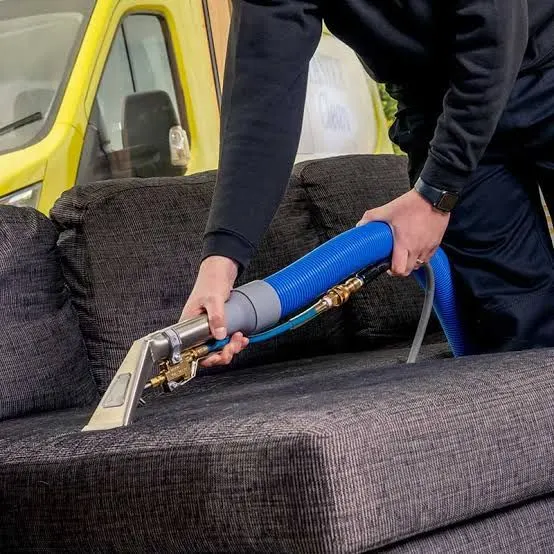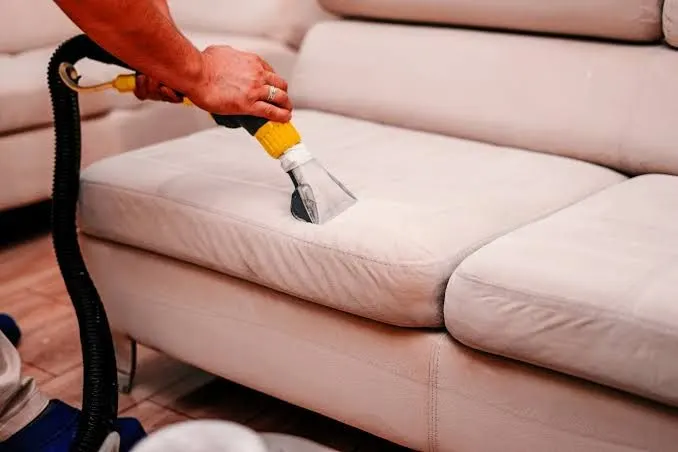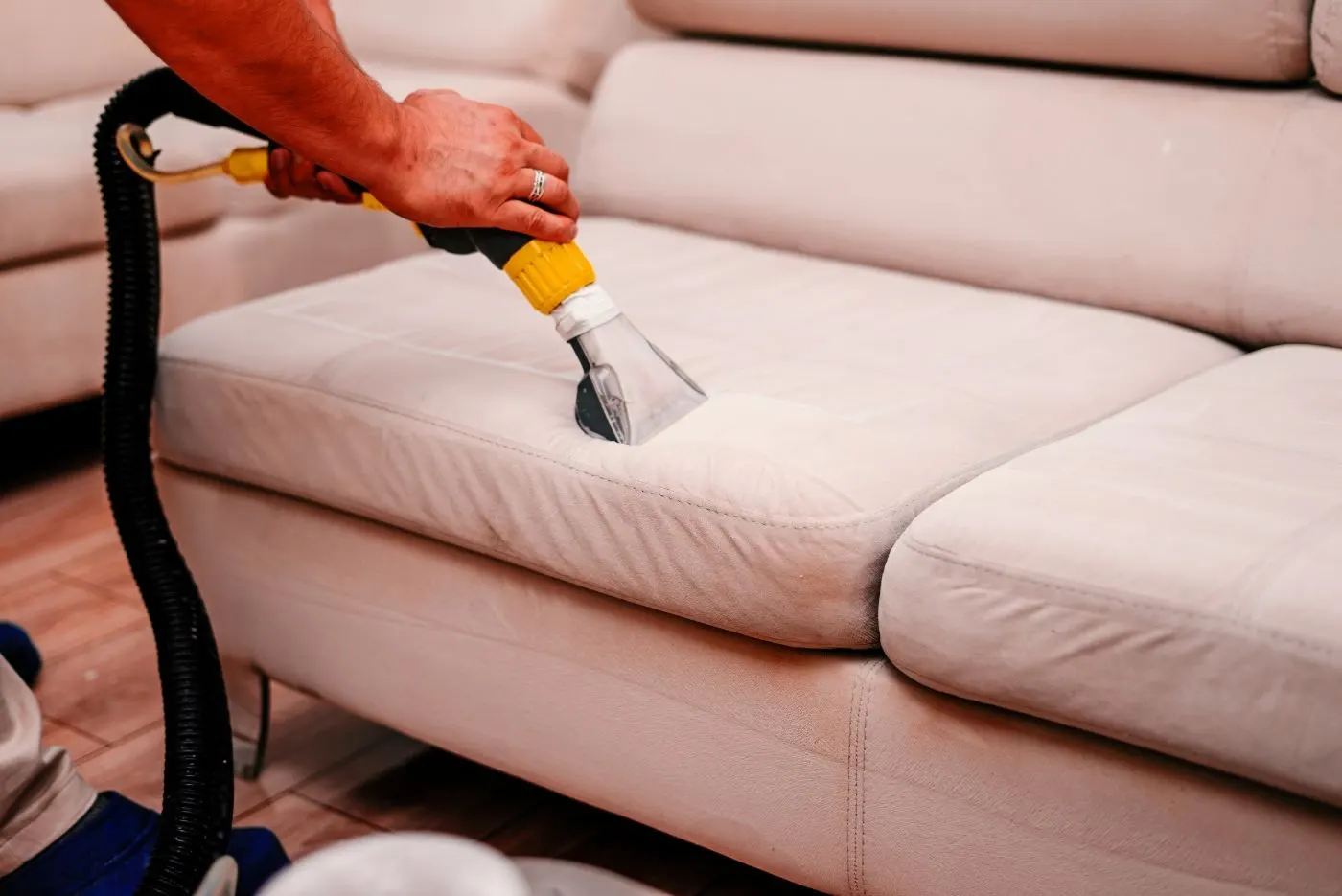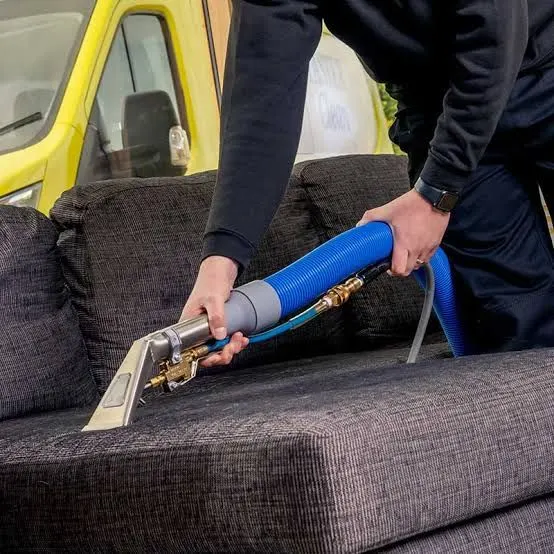



When people ask, how do I clean upholstery , the safest answer is to avoid rushing. First identify the fabric, read the care label, remove dry dirt, test any product in a hidden area and use as little moisture as possible.
A sofa or chair can look simple to clean, but upholstery may contain delicate fibres, dyes, foam, backing and wooden parts. The wrong product or too much water can cause fading, shrinking, colour bleeding, water marks and unpleasant smells.
This guide explains
how do I clean upholstery
safely and how to avoid common furniture cleaning mistakes in Bradford homes.
How Do I Clean Upholstery Safely?
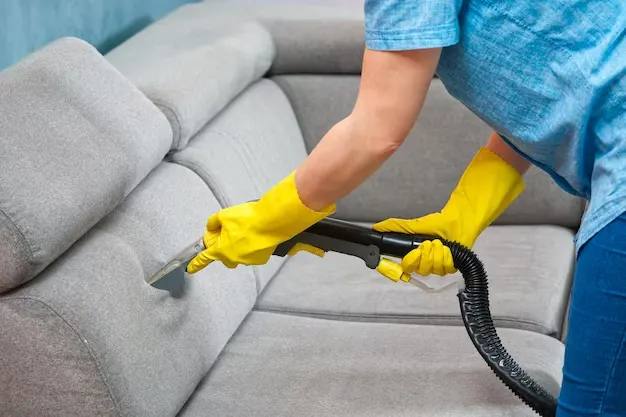
Start with a careful inspection. Look at the fabric, the care label and the condition of the furniture.
A safe cleaning process usually includes:
- Checking the cleaning instructions
- Vacuuming loose dirt
- Testing the chosen product
- Treating a small area first
- Blotting instead of scrubbing
- Using limited moisture
- Drying the furniture properly
Different materials need different methods. Cotton, linen, polyester, velvet, wool, suede and leather cannot all be cleaned in the same way.
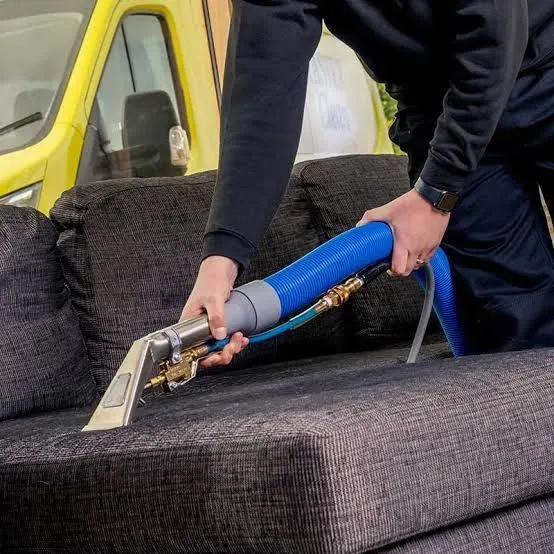
If you are unsure, contact a professional cleaner before applying anything. Jimmy's External Cleaning Services provides
upholstery cleaning in Bradford
for sofas, armchairs, dining chairs and suites.
What Should I Check Before Starting?
Before deciding how do I clean upholstery , check the following details:
- The care label under the cushion or frame
- The cleaning code
- The fibre type
- The condition of the seams
- Any loose threads or tears
- Existing water marks
- Fading caused by sunlight
- Previous cleaning products
- Decorative trims and buttons
- The condition of the cushion filling
Common upholstery codes include W, S, WS and X. A W code may allow a water based cleaner.
An S code may require a solvent based method. A WS code may allow either method, while an X code may mean vacuuming only.
Always follow the furniture manufacturer’s instructions. If the label is missing, do not guess.
What If I Cannot Identify the Fabric?
If you do not know how to clean your sofa, stop before using water or stain remover.
Take photographs of the fabric, care label and stain. Check the furniture paperwork or contact the manufacturer. You may also ask a professional cleaner to inspect the material.
Unknown upholstery may contain unstable dyes, delicate fibres or protective coatings. Some materials also have a backing that can shrink when wet.
When the fabric cannot be identified, begin with gentle vacuuming only. Do not use bleach, strong detergent, vinegar or a steam machine until you know the material is suitable.
Start With Dry Dirt Removal
Dry dirt should be removed before liquid cleaning begins.
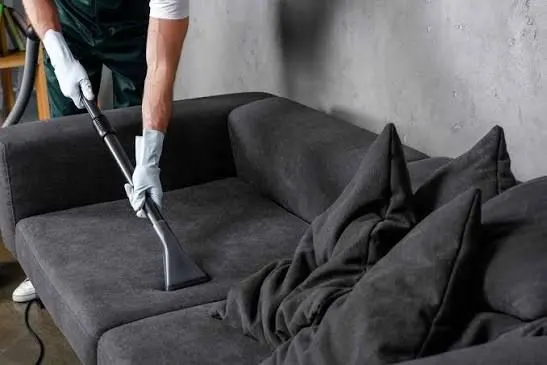
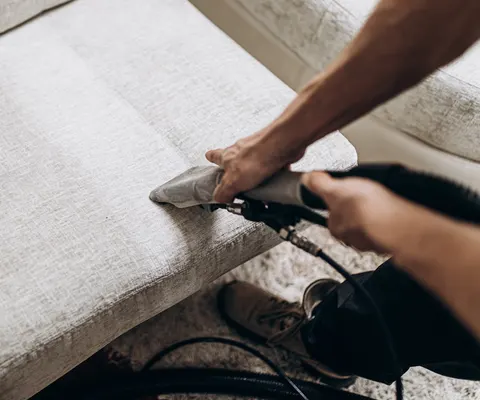
Use a vacuum cleaner with a soft upholstery attachment. Clean the seat, back, arms, piping, seams and gaps between cushions. Remove the cushions where possible and vacuum underneath them.
Dry vacuuming removes:
- Dust
- Crumbs
- Pet hair
- Loose soil
- Skin flakes
- Small fibres
If pet hair remains, use a soft rubber brush or lint tool. Work gently so the fabric does not become rough or damaged.
Regular vacuuming is part of safe upholstery cleaning. It prevents loose dirt from turning into dark, sticky marks when moisture is added.
Test Before Cleaning a Visible Area
A hidden test is one of the most important steps when learning how do I clean upholstery .
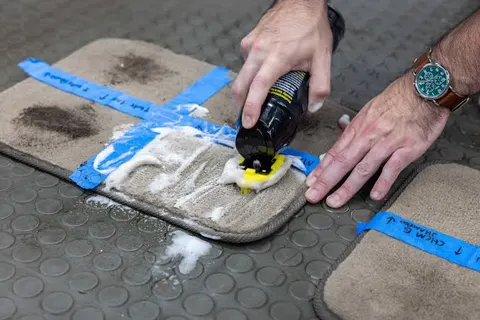
Choose an unseen area behind the furniture or under a removable cushion. Put a small amount of the cleaning product on a clean white cloth. Dab the fabric gently and allow the area to dry completely.
Check for:
- Colour transfer
- Fading
- Darkening
- Shrinking
- Stiffness
- A rough texture
- A water ring
- A strong smell
If the fabric changes, stop immediately. Do not assume that the product will be safe on the visible area.
Cleaning a Small Everyday Mark
For a small mark, remove loose material first. Use a spoon or blunt edge to lift food or dried dirt.
Avoid pressing the substance deeper into the fabric.
Apply a small amount of suitable cleaner to a white cloth. Do not pour the product directly onto the sofa.
Dab from the outside of the mark towards the centre. Turn the cloth regularly so the dirt does not spread. If the care label allows it, use a second cloth lightly dampened with clean water to remove residue.
Finish by pressing a dry towel over the area.
This method may help with light marks, but it may not remove ink, grease, dye transfer, old food stains or deep pet stains.
What to Do With a Fresh Spill
Fresh spills should be treated quickly but gently.
Remove solid material with a spoon. Then place a clean white towel over the spill and press lightly. Replace the towel as it absorbs the liquid.
Do not rub the area from side to side. Rubbing spreads the spill and drives it deeper into the cushion.
Avoid adding more water unless the care label confirms that the fabric can tolerate it. Some upholstery develops a ring when one small area becomes wetter than the surrounding fabric.
Milk, food, pet waste and vomit can leave a strong odour inside the cushion. Professional cleaning may be safer for these spills.
What Not to Do With an Old Stain
Old stains may no longer be surface dirt. They can involve permanent dye change, fibre damage, heat damage or a chemical reaction.
Do not keep adding different products. Mixing cleaning products can create residue or damage the fabric.
Avoid:
- Bleach on coloured upholstery
- Nail polish remover
- Strong kitchen degreaser
- Bathroom cleaner
- Washing powder
- Rough brushes
- Excessive steam
- Very hot water
Take a photograph of the stain and record what caused it, if known. This information can help a professional choose a safer treatment.
Why Scrubbing Can Make Things Worse
Scrubbing may spread the stain and damage the fibres. It can also flatten the pile and create a lighter patch.
Velvet, chenille and brushed fabrics are especially sensitive. Rough movement can permanently change the surface appearance.
Blotting is safer because it lifts liquid and dirt without twisting the fibres. Use light pressure and stop if the fabric begins to look different.
Good sofa stain care depends on patience. Stronger pressure does not always produce a better result.
Why Too Much Cleaner Causes Problems
Using more cleaner does not guarantee a deeper clean.
Excess product can leave soap behind. This residue may attract dust and make the fabric feel sticky or stiff. It can also leave a darker area after drying.
Use the smallest amount recommended on the product label. If the product requires rinsing, follow the instructions carefully.
Never mix cleaning products. A professional cleaner can choose the correct product and concentration according to the material and level of soiling.
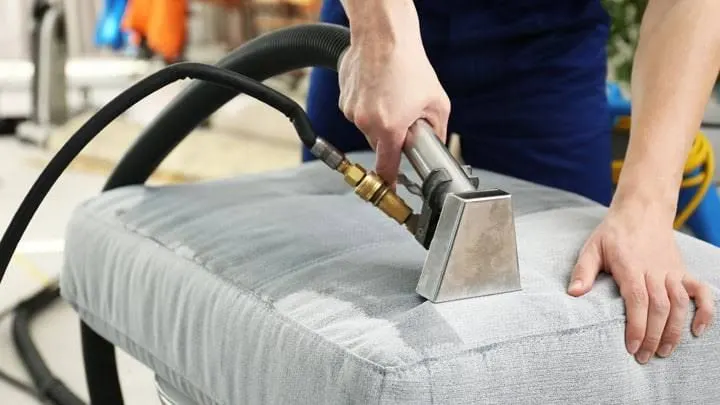
Why Too Much Water Causes Problems
Too much water can move through the fabric and reach the foam, wadding or wooden frame.
Slow drying may then cause a musty smell, mould growth or weakened materials.
Excess moisture can cause:
- Water rings
- Colour bleeding
- Shrinkage
- Cushion distortion
- Loose backing
- Rust around metal parts
- Damage to wooden sections
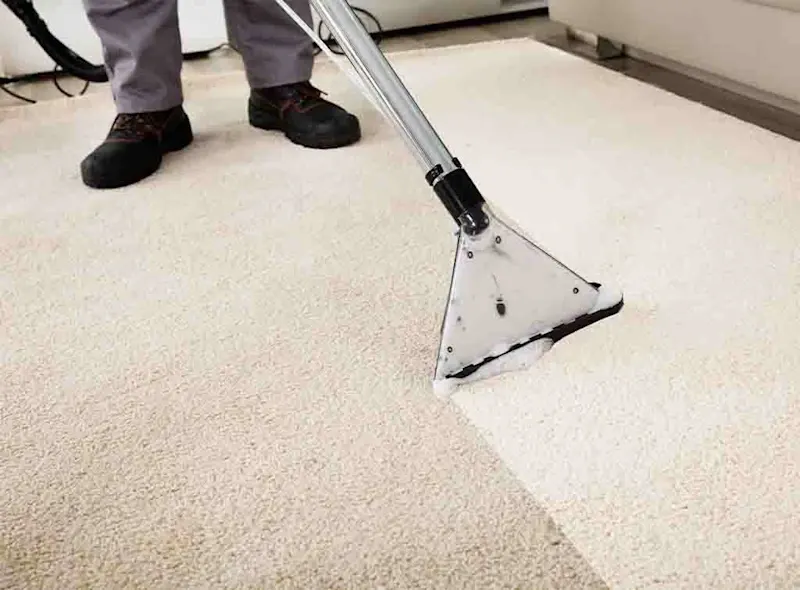
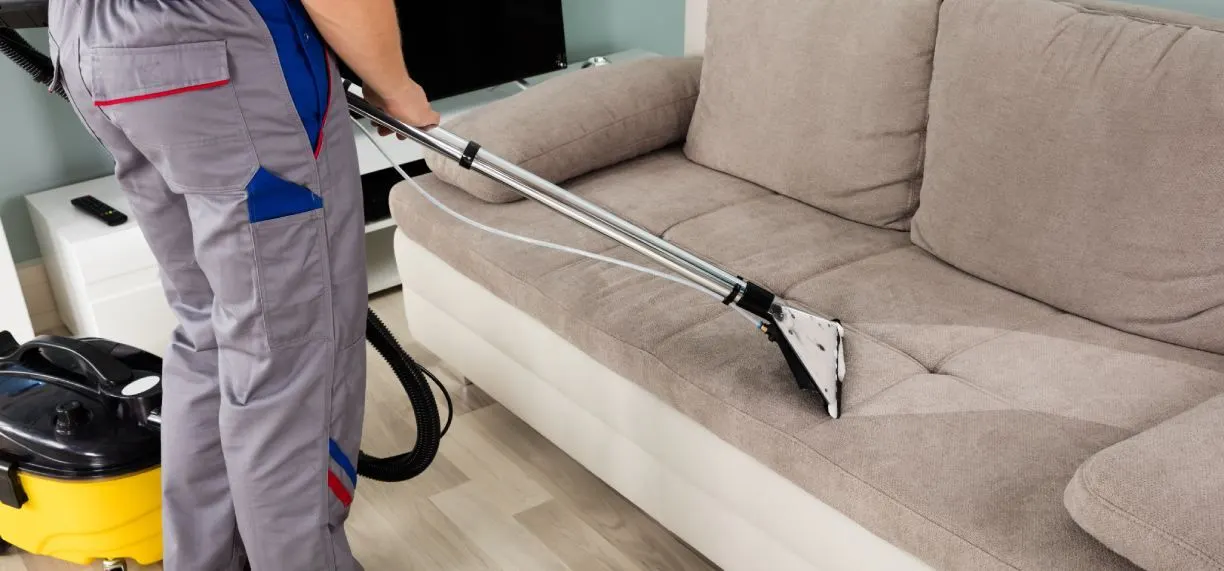
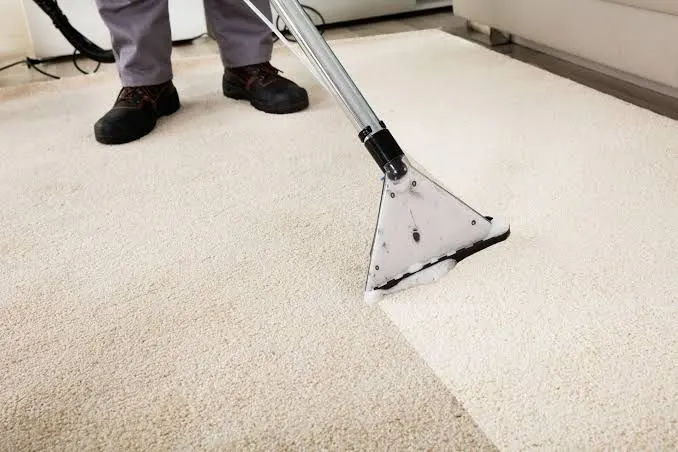
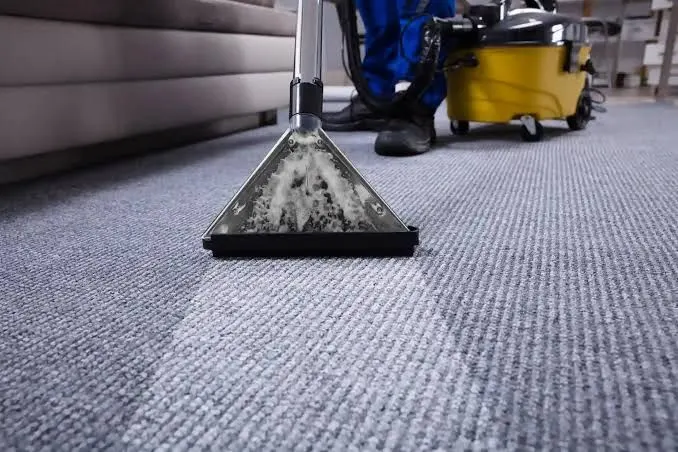
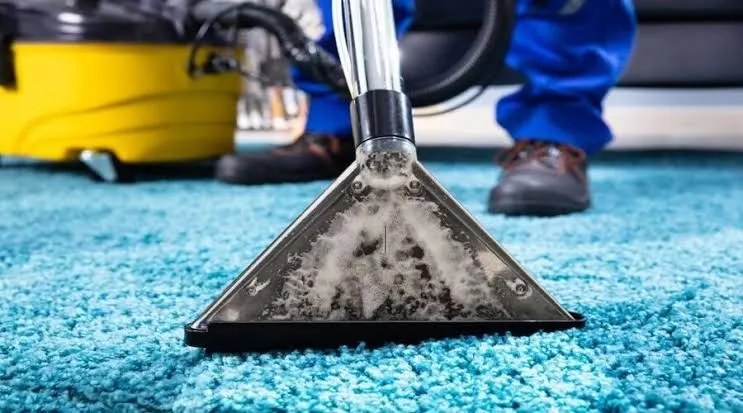
A carpet cleaner is not automatically suitable for a sofa. Upholstery has different construction and drying needs. Read our
carpet cleaning Bradford service page
to understand why carpet and upholstery cleaning require different methods.
Upholstery Cleaning Help in Bradford
If your sofa looks dull, smells unpleasant or has stains that home cleaning has not removed, Jimmy's External Cleaning Services can help.
Before requesting advice, provide:
- Your Bradford postcode
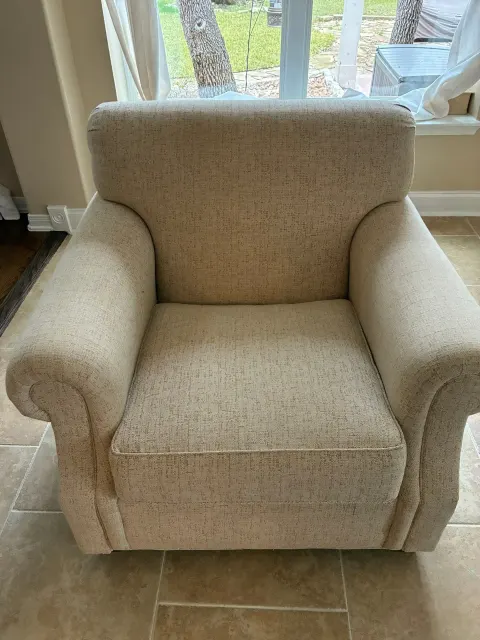
- A photograph of the full furniture
- Close photographs of stains
- A photograph of the care label
- Details of pets or spills
- Information about products already used
- Access and parking details
This information helps the company understand the condition of the furniture and discuss a suitable cleaning method.
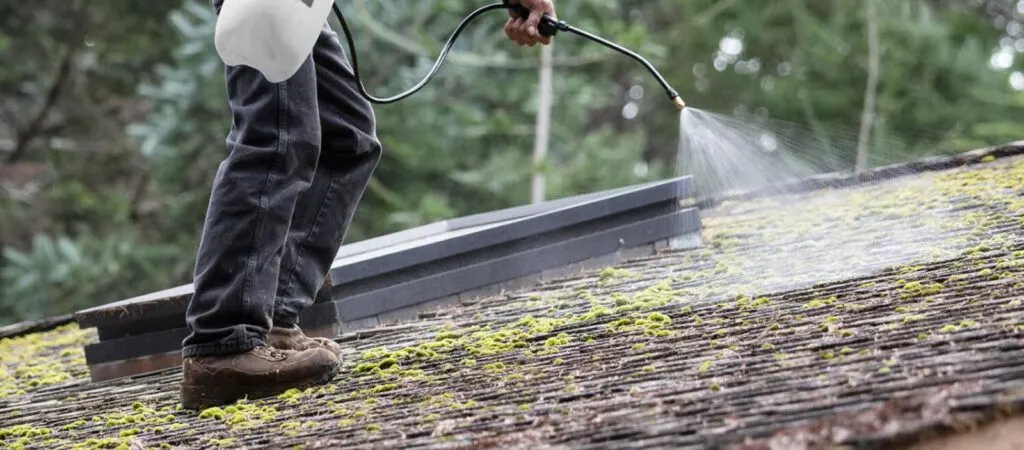
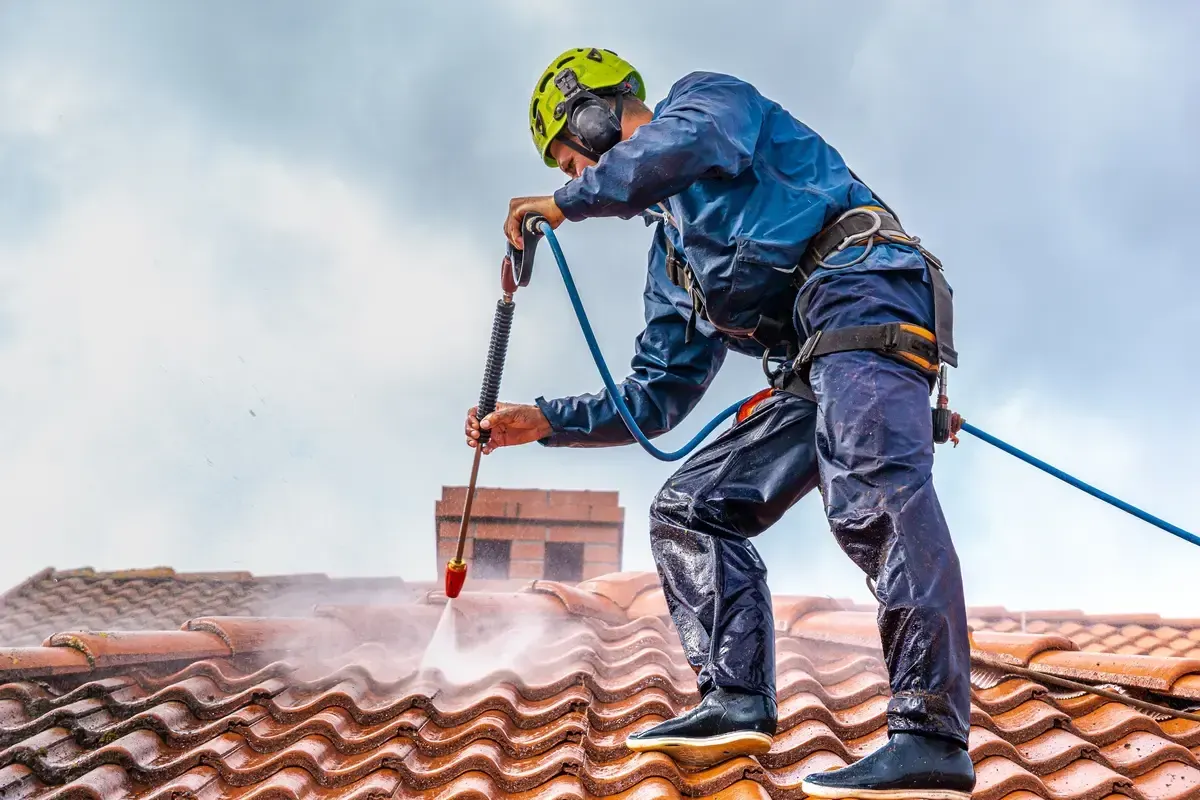
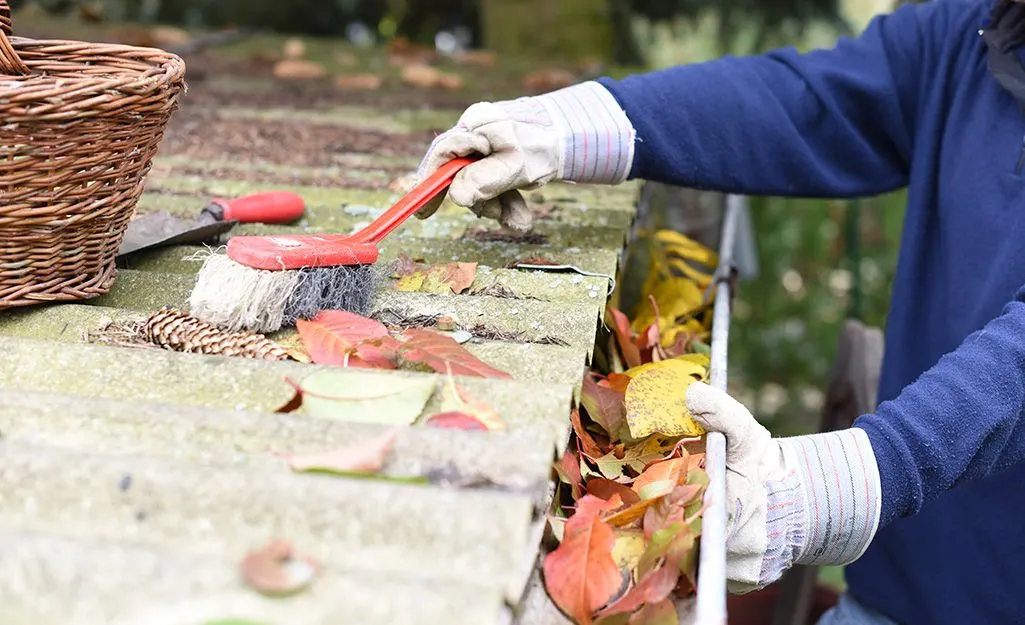
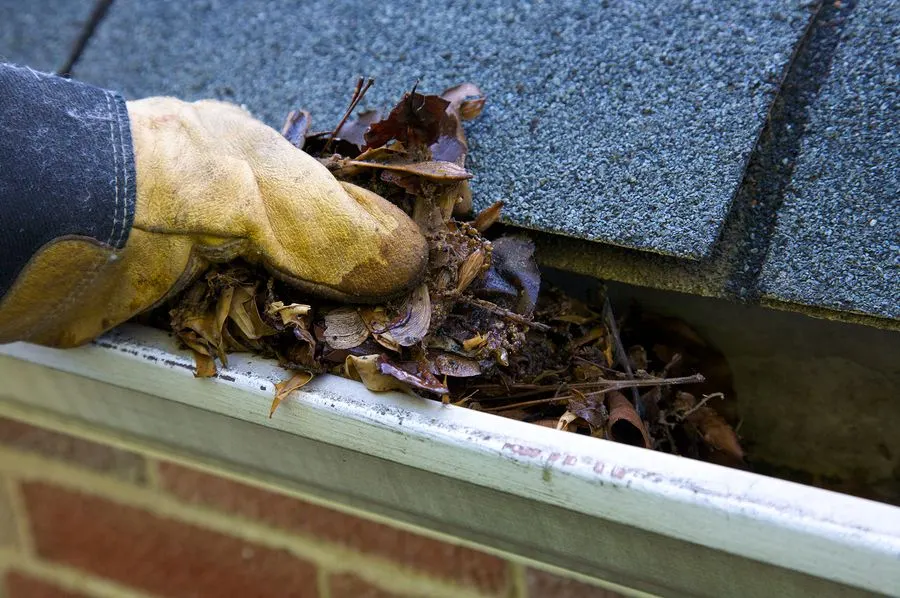
Jimmy's External Cleaning Services also provides other property care services. You can learn more about patio cleaning Bradford , gutter cleaning Bradford and roof cleaning services .
For general information about upholstery materials, you can also read the
Wikipedia article about upholstery
.
Frequently Asked Questions
What should I do if I do not know how to clean my sofa?
Check the care label, vacuum the fabric and avoid applying liquid until the material is identified. Test any product in a hidden place. If the label is missing or the fabric is delicate, contact a professional cleaner.
Can cleaning make an upholstery stain worse?
Yes. The wrong product, excessive water and rough scrubbing can cause fading, colour bleeding, water marks, shrinking and sticky residue.
When should I stop trying to remove a stain?
Stop when the fabric changes colour, becomes rough, develops a water ring or remains wet. You should also stop after several unsuccessful treatments.
How often should upholstery be cleaned?
The best cleaning schedule depends on use, pets, children, fabric type and indoor conditions. Vacuum regularly and arrange deeper cleaning when routine care no longer keeps the furniture fresh.
Can I use a carpet cleaner on my sofa?
Not automatically. A carpet machine may add too much water or leave residue. Check the upholstery instructions and confirm that the equipment is suitable.
Is vinegar safe for upholstery?
Vinegar is not safe for every fabric. It may affect dyes, finishes and natural fibres. Always follow the care label and complete a hidden test.
Can every upholstery stain be removed?
No. Some stains cause permanent dye loss, fibre damage or discolouration. Professional cleaning may improve the appearance, but complete removal cannot always be promised.
What is the safest first step in upholstery cleaning?
The safest first step is dry vacuuming. After that, identify the material and test a suitable method in an unseen area.
When considering how do I clean upholstery , begin gently. Identify the fabric, vacuum first, test every product and avoid soaking or scrubbing.
Fresh spills may respond to careful blotting, but old stains, delicate fabrics and previous cleaning damage need professional attention.
For safe upholstery cleaning in Bradford, contact
Jimmy's External Cleaning Services
through
externalcleaningbradford.co.uk
. Send photographs of your furniture, care label and stains so the right cleaning solution can be discussed.