How to Clean Driveway Surfaces Safely
A clean driveway can make a big difference to the look of your home. It is one of the first things people see when they visit your property. Over time, driveways collect dirt, moss, algae, weeds, tyre marks, oil stains, mud and general grime. This can make the surface look old, slippery and poorly kept.
Many homeowners search for how to clean driveway surfaces because they want to improve the outside of their property without causing damage. The right cleaning method depends on the driveway material, the level of dirt and whether there are stains, moss or algae on the surface.
In Bradford, driveways can get dirty quickly because of wet weather, shade, falling leaves and everyday vehicle use. Areas such as Shipley, Bingley, Keighley and Pudsey often have homes with block paving, concrete, tarmac, resin and paved driveways that need careful cleaning.
Quick answer
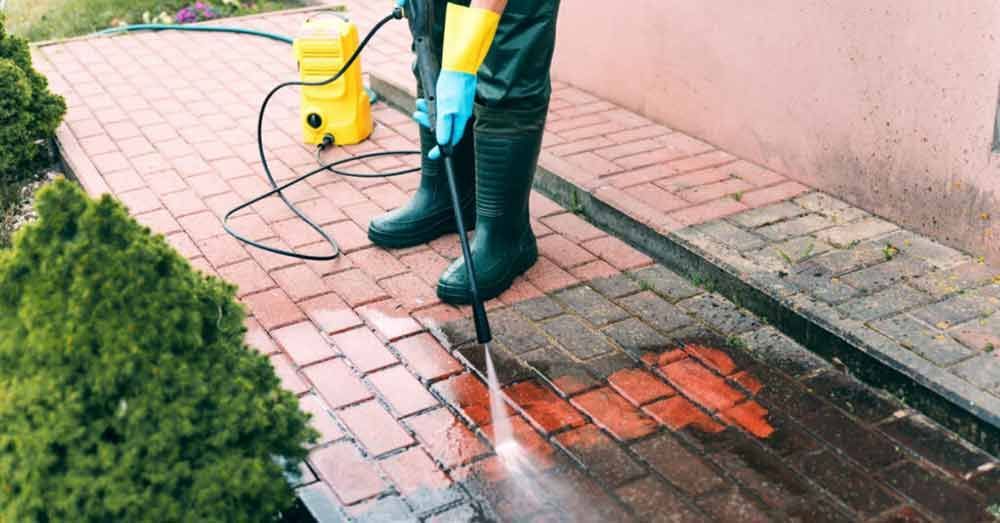
The safest way to clean a driveway is to clear loose dirt first, remove weeds and moss, apply a suitable cleaning solution, scrub stained areas, rinse the surface and allow it to dry fully. For deeper dirt, algae and black marks, pressure washing can work well, but it must be done carefully to avoid damaging the driveway.
If you are wondering how to clean driveway surfaces without causing damage, the main rule is to use the right method for the surface. Block paving, tarmac, concrete, resin and paving slabs all need slightly different care.
For light dirt, hand cleaning may be enough. For heavy moss, algae, oil marks or years of built up grime, professional driveway cleaning is often safer and more effective.
Why driveways get dirty
Driveways are exposed to the weather every day. Rain, wind, mud, leaves and vehicle traffic all affect the surface. In Bradford, damp weather can make moss and algae grow faster, especially in shaded areas.
A driveway can become dirty because of:
- Vehicle tyres leaving black marks
- Oil or fuel leaks from cars
- Moss growing between paving joints
- Algae forming on damp areas
- Mud being walked or driven onto the surface
- Falling leaves breaking down over time
- Weeds growing through gaps
- Dust and pollution settling on the driveway
Once moss and algae start to grow, the driveway can become slippery. This can be a safety issue, especially near the entrance of the home. A dirty driveway can also make the whole property look less cared for, even when the house itself is clean.
This is why many local homeowners search for
how to clean driveway surfaces before booking help. Regular cleaning can protect the surface, improve kerb appeal and make the outside area safer to use.
Best tools for driveway cleaning
Before starting any driveway cleaning job, it is important to use the right tools. Using harsh tools or the wrong cleaning method can damage the surface.
For most driveway cleaning jobs, useful tools include:
- A stiff outdoor brush
- A garden hose
- A bucket
- Driveway cleaning solution
- Moss and algae remover
- Protective gloves
- A weed removal tool
- A pressure washer if suitable
- A scraper for stubborn dirt
- A soft brush for delicate areas
For block paving, a stiff brush can help remove moss and dirt from the joints. For resin driveways, a softer approach is usually better because harsh pressure can affect the finish. For tarmac, care is needed because strong pressure can loosen the surface if it is old or weak.
When people ask
how to clean driveway surfaces properly, the answer is not always to use the strongest pressure washer. Sometimes gentle cleaning gives a better result and helps protect the driveway for longer.
How to clean driveway surfaces step by step
If you want to know how to clean driveway surfaces at home, follow these simple steps.
Step 1: Clear the driveway
Start by removing cars, bins, plant pots and anything else from the driveway. This gives you space to clean properly and helps you see all dirty areas clearly.
Sweep away loose dirt, leaves, stones and dust. A clean starting surface makes the next steps easier.
Step 2: Remove weeds and moss
Check the edges, joints and cracks. Pull out weeds by hand or use a weed removal tool. If moss is growing between paving blocks, loosen it with a stiff brush.
Do not ignore moss and weeds. If they are left too long, they can spread and make the driveway look untidy again quickly.
Step 3: Apply a suitable cleaner
Use a driveway cleaning solution that is safe for your surface. Always follow the instructions on the product. Some cleaners need time to sit before rinsing.
Avoid very strong chemicals if you are unsure about the surface. They may stain, fade or weaken the driveway.
Step 4: Scrub dirty areas
Use a stiff outdoor brush to scrub dirty patches, tyre marks and green areas. For stains, spend extra time working the cleaner into the surface.
This part takes effort, but it helps lift dirt before rinsing.
Step 5: Rinse the driveway
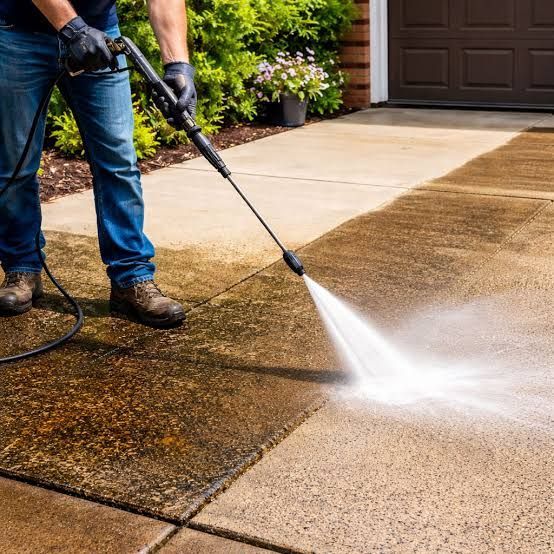
Use a garden hose or pressure washer to rinse the surface. If using a pressure washer, keep the nozzle moving and avoid holding it too close to the driveway.
Strong pressure in one place can damage pointing, loosen block paving sand or mark soft surfaces.
Step 6: Let the driveway dry
Allow the driveway to dry fully. Once dry, you can see if any stains or dark patches remain.
If the driveway still looks dirty after cleaning, it may need a deeper clean from a professional driveway cleaning company.
This is the basic method for
how to clean driveway surfaces safely without rushing the process.
How to remove moss and algae
Moss and algae are common on driveways in Bradford because the weather can be damp for long periods. Shaded driveways are more likely to turn green, especially near walls, fences and trees.
To remove moss and algae, start by brushing the surface. Loosen as much growth as possible before applying any cleaner. Then use a moss and algae treatment that is suitable for outdoor hard surfaces.
Let the product work for the recommended time. After that, scrub the area and rinse it away.
For heavy moss, pressure washing may be needed. However, this should be done with care. On block paving, too much pressure can remove jointing sand. On tarmac, strong pressure can damage the surface. On resin, the wrong pressure can affect the finish.
If you are searching for
how to clean driveway moss and algae safely, remember that removal is only part of the job. The surface should also be treated properly to slow down regrowth.
How to deal with stains
Driveway stains can be difficult to remove, especially if they have been there for a long time. Common driveway stains include oil, fuel, rust, tyre marks, paint, mud and leaf stains.
Oil stains
Oil stains should be treated as soon as possible. Fresh oil can be covered with absorbent material such as cat litter or sand to soak up the liquid. After that, use a driveway degreaser and scrub the area well.
Older oil stains are harder to remove because the oil can soak into the surface. Concrete and block paving can hold oil marks deeply, so one clean may not remove everything fully.
Tyre marks
Tyre marks often appear on concrete, resin and block paved driveways. A suitable cleaner and firm brushing can help. Pressure washing may also lift marks, but it depends on how deep the staining is.
Rust stains
Rust stains can come from metal furniture, tools, gates or old vehicles. These stains need the right type of cleaner. Using the wrong product can make the stain worse.
Leaf stains
Wet leaves can leave dark marks on paving. Regular sweeping helps prevent this. If stains have already formed, a cleaning solution and brushing may improve the area.
When learning
how to clean driveway stains, it is important to understand that some stains need more than one treatment. Deep marks may not disappear fully with basic home cleaning.
Pressure washing vs hand cleaning
Both pressure washing and hand cleaning can be useful, but they are not the same.
Hand cleaning is safer for light dirt, small areas and delicate surfaces. It is a good option if the driveway only needs a freshen up.
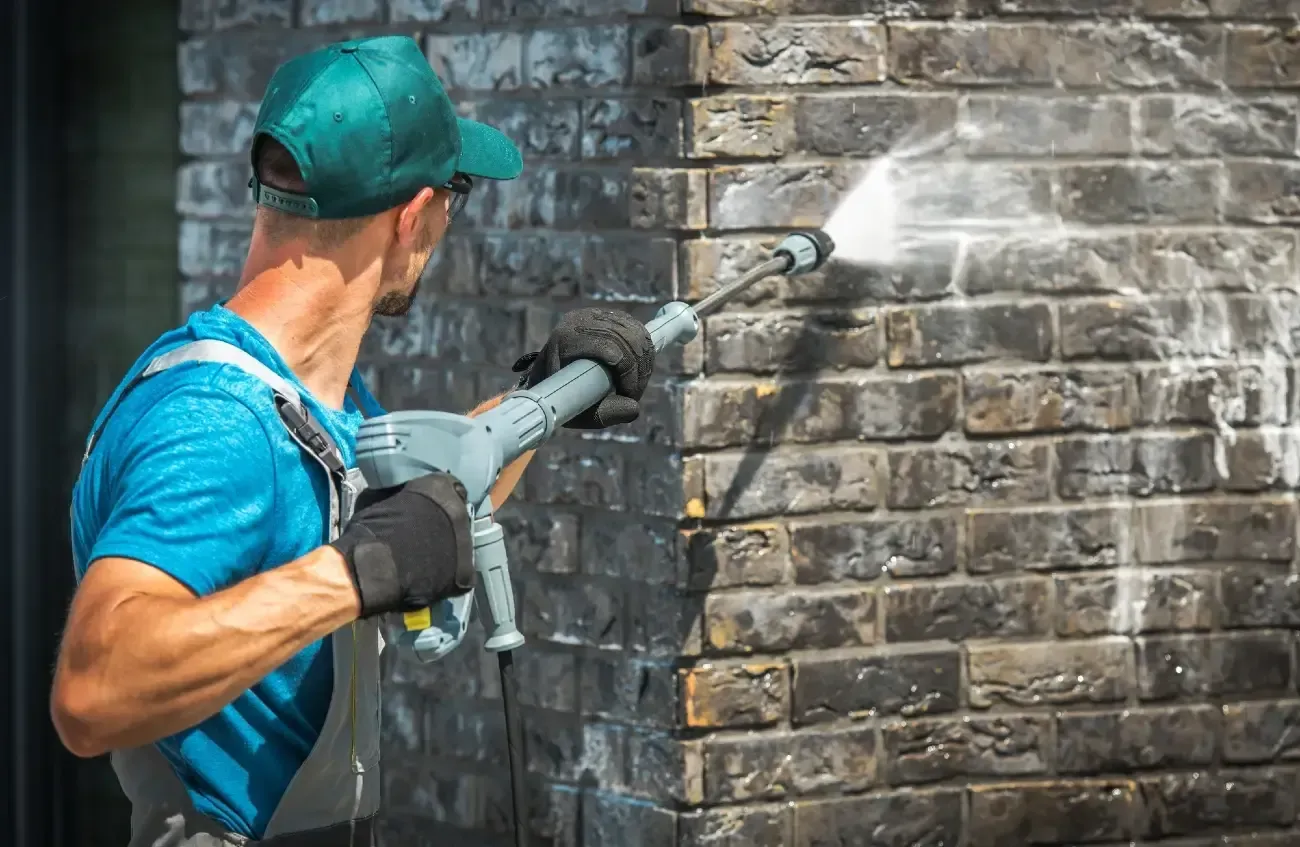
Pressure washing is better for deep dirt, moss, algae, black marks and large driveways. It can save time and give a stronger clean. However, pressure washing must be done correctly.
The risk with pressure washing is that too much force can damage the surface. It can remove sand from block paving, lift weak tarmac, damage old pointing or leave lines on the driveway.
If you are unsure
how to clean driveway surfaces with a pressure washer, it may be better to ask a professional. Jimmy's External Cleaning Services uses the right cleaning approach based on the surface and condition of the driveway.
What to avoid when cleaning a driveway
Driveway cleaning can go wrong if the wrong method is used. To protect your surface, avoid these common mistakes.
- Do not use very strong pressure too close to the surface
- Do not use bleach without checking if it is safe
- Do not let dirty water run into areas where it may cause problems
- Do not ignore cracks or loose paving
- Do not use metal tools that can scratch the surface
- Do not pressure wash damaged tarmac too hard
- Do not leave moss and algae untreated after cleaning
- Do not clean in freezing weather
- Do not rush the drying stage
Many people search for
how to clean driveway surfaces because they want a simple answer, but every driveway is different. A method that works on concrete may not be right for resin or tarmac.
Why professional driveway cleaning can be worth it
Some driveway cleaning jobs look simple at first, but they can become difficult once you start. Heavy moss, deep stains, large areas and old surfaces can take a lot of time to clean properly.
A professional cleaner has the right tools, cleaning products and experience to handle the job safely. This can reduce the risk of damage and help the driveway look cleaner for longer.
Professional help is especially useful when:
- The driveway is very slippery
- There is heavy moss or algae
- Oil stains are difficult to remove
- The driveway has not been cleaned for years
- The surface is large
- You do not have the right equipment
- You are worried about damaging the surface
- You want a cleaner finish before selling or renting a property
If you have been searching for
how to clean driveway surfaces because your driveway looks tired, getting expert help may be the easiest option.
Frequently Asked Questions
What is the best way to clean a driveway?
The best way to clean a driveway is to sweep the surface, remove weeds and moss, apply a suitable cleaner, scrub stained areas and rinse properly. For heavy dirt, pressure washing may be needed, but it should be done carefully.
How do I clean a driveway without a pressure washer?
You can clean a driveway without a pressure washer by using a stiff brush, outdoor cleaning solution, water and plenty of scrubbing. This works best for light dirt and small areas. For heavy moss or stains, professional cleaning may give better results.
Can pressure washing damage my driveway?
Yes, pressure washing can damage a driveway if the pressure is too strong or the nozzle is held too close. It can remove jointing sand, mark soft surfaces or damage old tarmac. This is why the correct method matters.
How do I remove moss from my driveway?
Brush away loose moss first, then apply a moss and algae treatment. Allow it to work, scrub the area and rinse it clean. For thick moss, professional cleaning may be safer and more effective.
How do I remove oil stains from a driveway?
Fresh oil should be absorbed quickly with sand or cat litter. After that, use a driveway degreaser and scrub the area. Older oil stains may need more than one treatment because oil can soak into the surface.
How often should I clean my driveway in Bradford?
Most driveways should be cleaned once or twice a year. In damp or shaded parts of Bradford, cleaning may be needed more often because moss and algae can grow quickly.
Is hand cleaning better than pressure washing?
Hand cleaning is better for light dirt and delicate surfaces. Pressure washing is better for deep dirt, moss and large areas. The best choice depends on the driveway material and condition.
Why does my driveway turn green?
A driveway turns green because of moss and algae. This often happens in damp, shaded areas where sunlight does not dry the surface properly. Bradford weather can make this problem more common.
Can Jimmy's External Cleaning Services clean my driveway in Bradford?
Yes, Jimmy's External Cleaning Services provides driveway cleaning in Bradford and nearby areas including Shipley, Bingley, Keighley and Pudsey. The team can help clean dirt, moss, algae and stains using a suitable method for your driveway.
Knowing how to clean driveway surfaces safely can help you keep your property looking fresh and well cared for. A clean driveway can improve kerb appeal, reduce slippery areas and make the outside of your home feel more welcoming.
For light dirt, simple brushing and rinsing may be enough. For moss, algae, stains and deep grime, a more careful cleaning method is needed. The most important thing is to choose a method that suits the driveway surface.
If you need driveway cleaning in Bradford,
Jimmy's External Cleaning Services can help with a careful and practical service. The team covers Bradford, Shipley, Bingley, Keighley, Pudsey and nearby areas.