How to Clean Tarmac Driveway Dirt and Stains Safely
A clean tarmac driveway can make the whole front of your home look brighter, safer, and better cared for. Many common marks can be removed with simple tools, the correct cleaning product, and a careful method.
This guide explains
how to clean tarmac driveway dirt, algae, oil marks, moss, tyre marks, and general stains without causing avoidable damage. It also covers safe pressure washing, suitable products, signs that cleaning may not be enough, and when to call a local specialist in Bradford.
Quick answer
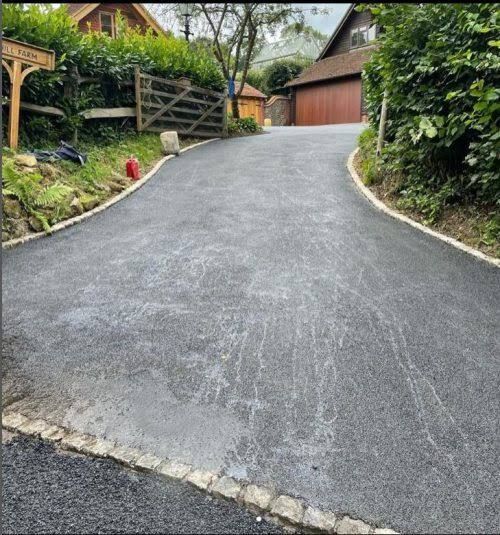
To clean a tarmac driveway, first sweep away loose dirt, leaves, stones, and moss. Wet the surface with clean water, apply a cleaner that is suitable for tarmac, and allow it to work for the time shown on the label. Use a medium or soft outdoor brush to loosen the dirt, then rinse with low pressure water.
For algae, use a tarmac safe algae treatment and follow the product instructions. For oil, absorb fresh spills quickly with sand, cat litter, or an oil absorbent product. Older oil marks may need several treatments, but harsh solvents should be avoided because they can soften or damage the surface.
The safest answer to how to clean tarmac driveway surfaces is to start gently. Strong pressure and aggressive chemicals can remove loose material, expose the stone below, or leave faded patches.
Why tarmac gets stained
Tarmac is strong enough for daily vehicle use, but it is still affected by weather, shade, traffic, and spills. Its dark colour can hide light dirt for a while, yet green growth and oily marks soon become easy to see.
Common causes of tarmac stains include:
- Soil and mud carried onto the driveway by shoes, tyres, pets, and garden tools
- Leaves that break down and leave dark marks
- Moss and green algae growing in shaded or damp areas
- Engine oil, fuel, brake fluid, and other vehicle liquids
- Tyre marks caused by turning or parking in the same place
- Rust marks from metal pots, tools, gates, or garden furniture
- Paint, cement, and building dust from home improvement work
- Bird mess and organic dirt
Bradford weather can leave outdoor surfaces damp for long periods, especially in shaded streets and areas near trees. Tarmac driveways in Tong, Low Moor, Wibsey, Shipley, and other parts of Bradford may develop moss or algae where sunlight and airflow are limited.
Regular sweeping and early treatment make cleaning easier. The longer oil, algae, and organic matter remain on the driveway, the harder they can be to remove.
How to remove loose dirt from a tarmac driveway
Loose dirt should always be removed before wet cleaning. Adding water too soon can turn dust and soil into muddy streaks that take more effort to rinse away.
Step 1: Clear the driveway
Move vehicles, plant pots, bins, toys, and garden furniture. Check for loose stones, broken areas, and soft patches before starting.
This quick inspection is important because damaged tarmac may not be suitable for pressure washing.
Step 2: Sweep from top to bottom
Use a strong broom and work towards the lowest point of the driveway. Pay attention to edges, corners, drainage channels, and the area near the pavement.
Remove as much loose material as possible before using water or cleaning products.
Step 3: Lift moss carefully
Small clumps of moss can often be loosened with a brush or plastic scraper. Do not dig into the tarmac with a sharp metal tool. This can pull out stones and create small holes.
If the moss is thick, apply a suitable treatment before trying to remove it.
Step 4: Collect the waste
Bag the dirt, leaves, and moss rather than washing everything into the drain. A large amount of debris can block drainage and create a mess near neighbouring homes.
Step 5: Rinse lightly
Use a garden hose to remove the remaining dust. A gentle rinse also helps you see darker stains that need separate treatment.
This first stage is important when learning how to clean tarmac driveway surfaces because removing loose dirt gives the cleaning product direct contact with the stain.
How to treat green algae on tarmac
Green algae can make a driveway look tired and may become slippery when wet. It is common in shaded areas, near walls, under trees, beside hedges, and where water drains slowly.
A safe algae cleaning method
- Sweep the area and remove loose moss.
- Wet nearby plants and grass with clean water.
- Apply a product that clearly states it is suitable for tarmac.
- Use the amount shown on the label.
- Allow the treatment to work for the stated time.
- Lightly brush heavy growth if the instructions allow it.
- Rinse carefully and prevent dirty water from entering ponds or planted areas.
Some algae treatments continue working after application. This means the green colour may fade over several days rather than disappearing at once.
Follow the label rather than adding more product. Using too much cleaner can discolour the tarmac, affect nearby plants, or leave visible marks.
For algae that keeps returning, look at the cause as well as the stain. Trim back heavy plant growth, clear blocked drainage, sweep leaves regularly, and improve sunlight where possible.
These small steps can slow down future algae and moss growth.
How to clean tarmac driveway stains
Different stains need different treatments. Before deciding how to clean tarmac driveway stains, identify the mark and start with the mildest suitable method.
Mud and soil
Allow thick mud to dry before sweeping it away. Wet mud can spread across a larger part of the driveway if you try to wash it immediately.
Once the loose mud has been removed, wash the remaining mark with a mild tarmac safe cleaner and a medium or soft outdoor brush. Rinse the area with clean water.
Leaf marks
Wet leaves can break down and leave brown or dark marks on tarmac. Remove the leaves, apply a mild outdoor cleaner, and allow it to work for the time shown on the label.
Brush the area gently and rinse. Older leaf stains may need a second treatment.
Bird mess
Soak the area with clean water to soften the dirt. Apply a mild cleaner, brush gently, and rinse the surface.
Wear gloves during cleaning and wash your tools afterwards.
Tyre marks
Tyre marks often appear where vehicles turn or park in the same place. A tarmac safe detergent and gentle brushing may reduce light marks.
Dark marks caused by hot tyres, turning wheels, or movement in the surface may not disappear fully.
Avoid using a wire brush because it can scratch the surface and loosen small stones.
Rust marks
Metal pots, gates, tools, and garden furniture can leave orange or brown marks on a driveway.
Only use a rust removal product when the label clearly says it is safe for tarmac. Strong acid cleaners can fade or damage the surface.
Test the product on a small hidden area before treating a visible stain.
Paint marks
Fresh water based paint should be absorbed before it dries. Use a cloth or absorbent material and try not to spread the paint across a wider area.
Do not use paint thinner, strong paint stripper, or harsh solvents. These products may soften the material that holds the tarmac together.
Dried paint can be difficult to remove without affecting the surface underneath. Professional help may be the safest option for large or old paint stains.
Cement and building marks
Sweep away loose building dust and rinse the surface gently. Do not use strong acid, metal blades, or sharp tools on hardened cement.
Trying to force cement away can remove part of the driveway surface. Heavy marks may need professional attention.
Chewing gum
Cool the gum with an ice pack, then lift it carefully with a plastic scraper. Avoid using heat or sharp metal tools because they may mark the tarmac.
How to get oil marks off tarmac
Oil is one of the hardest stains to remove from tarmac. It does not only sit on top of the driveway. It can soak into the surface and affect the material that holds the stones together.
The best results come from acting quickly.
How to treat a fresh oil spill
- Stop the source of the leak and move the vehicle if it is safe.
- Cover the spill with sand, cat litter, sawdust, or oil absorbent granules.
- Leave the material in place long enough to draw out the oil.
- Sweep it up and place it in a suitable waste bag or container.
- Repeat the process if the surface still looks wet.
- Apply a tarmac safe oil cleaner according to the label.
- Brush lightly and rinse with low pressure water.
Do not pour water onto a fresh oil spill before absorbing it. Water can spread the oil across a wider area and carry it towards drains.
How to treat an old oil stain
Older marks may need several careful treatments. Apply a suitable oil stain remover, allow it to work, brush lightly, and rinse.
Let the area dry completely before judging the result. Wet tarmac naturally looks darker, which can make the stain appear worse than it is.
A deep oil mark may remain visible even after cleaning. In some cases, the oil has changed or damaged the surface rather than simply stained it.
The affected area may feel soft, sticky, loose, or rough. Cleaning alone will not repair this type of damage.
Avoid petrol, white spirit, paint thinner, strong solvent cleaners, and unknown degreasers. These products can attack the bitumen in the tarmac and make the damaged area larger.
Anyone searching for
how to clean tarmac driveway oil stains should remember that improvement may be more realistic than complete removal, especially when the spill has been there for several months.
Can pressure washing damage tarmac
Yes, pressure washing can damage tarmac when the pressure is too high, the nozzle is too close, or the surface is already weak.
Possible damage includes:
- Loose stones being lifted from the surface
- Lines caused by uneven washing
- Faded or rough patches
- Small holes becoming larger
- Water entering cracks and weak edges
- Damage around drains, walls, and driveway borders
A turbo nozzle or narrow jet should not be used on tarmac. It can focus too much force on a small area.
How to pressure wash tarmac safely
Use a wide fan spray and begin with the lowest useful pressure. Keep the nozzle well away from the surface and test a small area first.
Move the spray in smooth, even passes. Do not hold the nozzle in one place.
Work at a shallow angle rather than pointing the water straight down. Avoid loose edges, cracks, patched areas, and places where stones are already coming away.
Pressure washing should support the cleaning product rather than replace it. Allowing the correct cleaner to loosen the dirt first means less water pressure is needed.
The safest method for how to clean tarmac driveway surfaces with a pressure washer depends on the age and condition of the tarmac.
A newer and stable driveway may cope with careful low pressure washing. An old, brittle, cracked, or oil damaged surface may need a gentler method.
Jimmy's External Cleaning Services uses surface suitable methods for driveway cleaning in Bradford. Professional equipment can be adjusted to control pressure, water flow, nozzle choice, and cleaning distance.
Best cleaning products for tarmac
The best cleaner is not always the strongest one. Choose a product made for the stain and approved for tarmac, asphalt, or bitumen based surfaces.
Mild outdoor detergent
A mild detergent can help remove mud, bird mess, light tyre marks, and general grime. It is a good starting point for routine driveway cleaning.
Algae and moss treatment
Choose a product that clearly states it is suitable for tarmac. Some treatments need rinsing, while others continue working after application.
Always follow the instructions.
Oil absorbent products
Sand, cat litter, clay granules, sawdust, and specialist absorbent products can help draw out fresh oil before washing begins.
The absorbent material should be collected and disposed of safely.
Tarmac safe oil cleaner
A specialist oil cleaner may help break down the remaining stain. Apply it carefully and repeat the treatment when needed rather than using an excessive amount.
General driveway cleaner
Some general driveway cleaners are suitable for several surfaces, but not all of them are safe for tarmac.
A product designed for concrete or block paving may be too strong. Always read the label before applying it.
Products to avoid
Avoid petrol, white spirit, paint thinner, unknown acid cleaners, neat bleach, and products that do not mention tarmac.
Never mix cleaning chemicals. Some mixtures can damage the surface or produce dangerous fumes.
Always test a small hidden area. Allow it to dry fully and check for fading, softness, or surface changes before treating the whole driveway.
How often should a tarmac driveway be cleaned
Most driveways benefit from regular sweeping throughout the year and a deeper clean when dirt, algae, or stains become noticeable.
A shaded driveway may need attention more often than one in full sun. Homes near trees may also need more frequent leaf removal.
Oil spills, fuel, bird mess, and paint should be treated as soon as possible.
A simple care plan includes:
- Sweep leaves and soil every few weeks.
- Remove fresh spills immediately.
- Treat algae before it covers a large area.
- Check drainage after heavy rain.
- Arrange a deeper clean when the surface becomes dark or slippery.
Regular care makes it easier to manage how to clean tarmac driveway stains and may reduce the need for stronger treatment later.
When cleaning is not enough
Some tarmac problems are signs of wear or damage rather than dirt. A clean driveway may still look uneven when the surface has lost material or suffered damage from oil, frost, water, heat, or heavy traffic.
Cleaning may not be enough when you see:
- Large cracks
- Crumbling edges
- Loose stones across the surface
- Potholes or deep dips
- Soft patches caused by oil or fuel
- Areas where water remains after rain
- Heavy fading and exposed stones
- Old repairs that are breaking apart
Small faults may need a local repair. A tired but stable surface may benefit from a suitable restoration treatment. A badly damaged driveway may need resurfacing.
Do not seal over active oil, loose material, moss, algae, or trapped dirt. The driveway should be properly cleaned, allowed to dry, and checked before restoration begins.
Learn more about professional driveway cleaning in Bradford and available driveway sealing services from Jimmy's External Cleaning Services.
Tarmac cleaning and restoration in Bradford
Cleaning a tarmac driveway can be simple when the dirt is light and the surface is strong. It becomes more difficult when there are deep oil stains, heavy algae, loose stones, drainage issues, or old repairs.
Jimmy's External Cleaning Services provides professional driveway cleaning for homes across Bradford and nearby areas.
The service is suitable for homeowners who want a cleaner entrance without risking damage through excessive pressure or unsuitable chemicals.
Local support is available across:
- Bradford
- Tong
- Low Moor
- Wibsey
- Shipley
- Surrounding Bradford communities
Every driveway should be checked before cleaning because age, shade, traffic, stains, drainage, and surface condition can change the safest method.
A professional visit may be useful when:
- The driveway is heavily stained.
- Moss or algae returns quickly.
- Oil marks cover a large area.
- The tarmac is old or fragile.
- You are unsure which product is safe.
- The surface needs cleaning before restoration.
- You want an even result across the whole driveway.
Jimmy's External Cleaning Services can assess the condition of the tarmac, explain a suitable cleaning approach, and discuss restoration options when needed.
Ready to refresh your tarmac driveway?
Get a clear and friendly quote from Jimmy's External Cleaning Services.
Contact the Bradford team to discuss your driveway, stains, access, and the result you would like to achieve.
A careful professional clean can help restore a fresher appearance while reducing the risk of surface damage.
Frequently asked questions
What is the best way to clean a tarmac driveway?
Sweep away loose dirt, apply a cleaner made for tarmac, brush gently, and rinse with low pressure water. Treat oil, algae, rust, and paint as separate stains.
Can I use washing up liquid on tarmac?
A small amount may help with light dirt, but a specialist tarmac cleaner is usually better for stubborn stains. Rinse the area well after use.
Can I use bleach on a tarmac driveway?
Strong or neat bleach can affect the surface, nearby plants, drainage, and colour. Use a product that clearly says it is suitable for tarmac and never mix it with another cleaner.
Can I pressure wash tarmac?
Yes, but use low pressure, a wide fan nozzle, a safe distance, and smooth passes. Avoid turbo nozzles, cracks, loose edges, and damaged areas.
How do I remove moss from tarmac?
Brush away loose moss, apply a tarmac safe moss treatment, and follow the product instructions. Avoid digging into the surface with metal tools.
How do I remove green algae from tarmac?
Apply a tarmac safe algae treatment and allow it to work for the stated time. Better drainage, regular sweeping, and more sunlight can help slow future growth.
How do I remove oil from a tarmac driveway?
Absorb fresh oil with sand, cat litter, or specialist granules before adding water. Then apply a tarmac safe oil cleaner.
Old oil marks may need repeated treatment and may not disappear fully.
Will oil damage tarmac?
Yes. Oil and fuel can soften the material that holds the surface together. The affected area may become sticky, rough, or loose, so spills should be treated quickly.
Can I use a wire brush on tarmac?
A wire brush can scratch the surface and loosen stones. A medium or soft outdoor brush is safer for most tarmac cleaning jobs.
Why does tarmac look patchy after cleaning?
Wet areas, old repairs, fading, oil damage, and uneven pressure can cause a patchy appearance. Allow the driveway to dry fully before judging the result.
How long does tarmac take to dry after cleaning?
Drying time depends on temperature, shade, airflow, and the amount of water used. It may take several hours or longer during cool and damp Bradford weather.
Keep vehicles off the driveway until it is dry and safe.
The key to how to clean tarmac driveway dirt and stains is using the least aggressive method that works.
Sweep first, identify each stain, choose a tarmac safe product, brush gently, and rinse with controlled pressure.
Fresh spills should be treated quickly, especially oil and fuel. Green algae should be removed before it becomes slippery. Pressure washing can help, but only when the surface is strong and the equipment is used carefully.
For stubborn stains, fragile tarmac, or a complete driveway refresh in Bradford, contact Jimmy's External Cleaning Services.
A professional clean can improve the look of your property while protecting the surface from avoidable damage.
Contact Jimmy's External Cleaning Services today for a friendly quote and a safer, cleaner driveway.