How to Clean Paving Stones and Keep Them Fresh
Paving stones can make a garden, path, patio or driveway look clean, bright and welcoming. But over time, outdoor surfaces collect dirt, moss, algae, black spots, weeds, mud, leaves and marks from everyday use. This is very common in Bradford, especially during wet months when paving can stay damp for longer.
Many homeowners search for
how to clean paving stones because they want a safe way to refresh the area without damaging the surface. The good news is that paving stones can be cleaned well with the right method, simple tools and a little care. The best method depends on the type of paving, the level of dirt and whether the surface is used as a patio, garden path or driveway.
Quick Answer
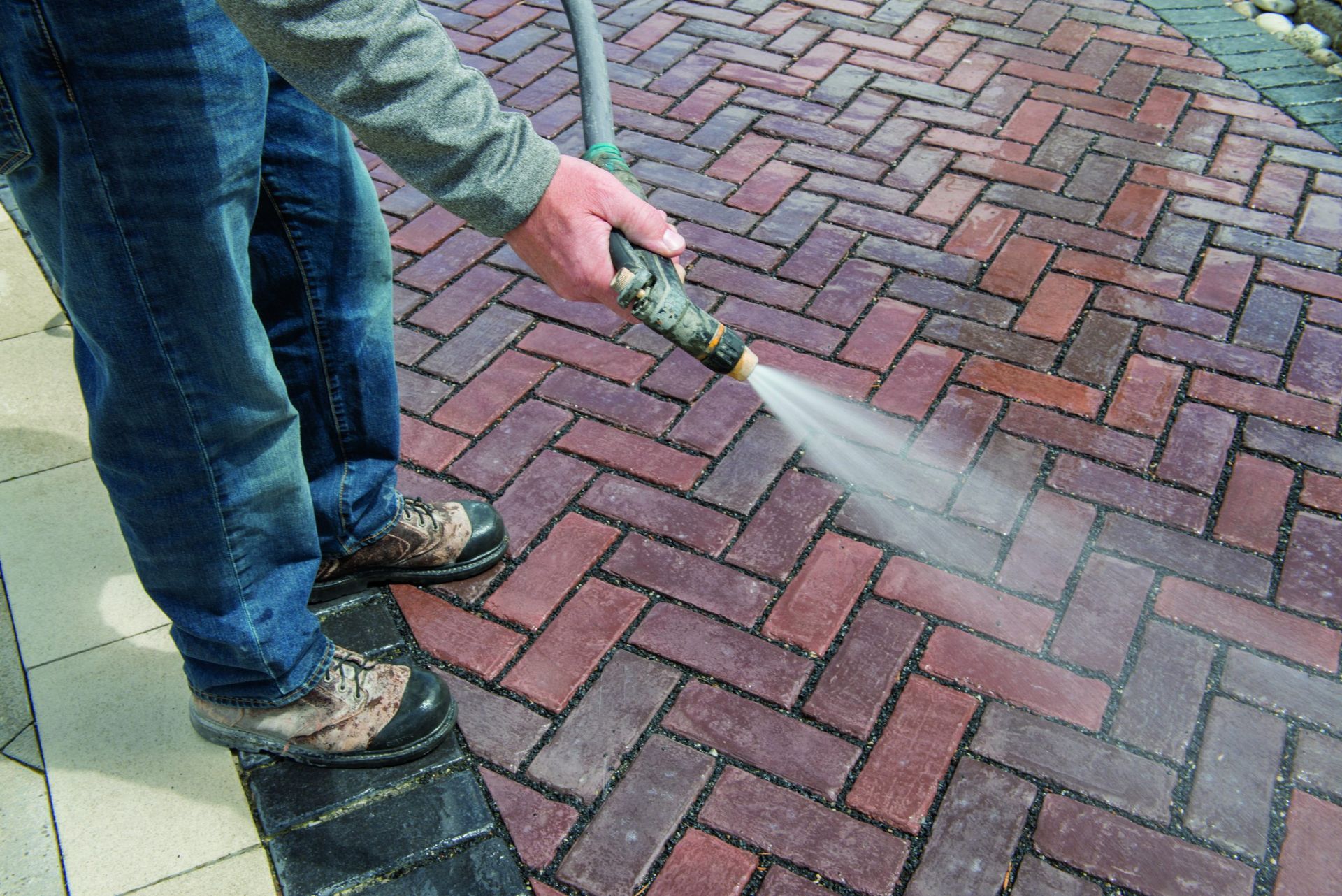
The safest way to clean paving stones is to remove loose dirt first, clear weeds, wet the surface, apply a suitable outdoor cleaner, scrub the paving with a stiff brush, then rinse well with clean water. For deeper dirt, a pressure washer can help, but it must be used carefully because too much pressure can damage joints, loosen sand, mark soft stone and leave uneven lines.
If you want to know how to clean paving stones without causing damage, start gently. Test a small hidden area first. Avoid strong acid based products unless you know the paving type and the cleaner is safe for that surface. Natural stone, concrete paving, sandstone, limestone and porcelain paving can all react differently.
For light dirt, hand cleaning may be enough. For heavy moss, algae, black spots or years of grime, professional cleaning is often the safer and cleaner choice.
Common Dirt on Paving Stones
Before learning how to clean paving stones, it helps to understand what makes them look dirty. Paving is outside all year, so it is exposed to rain, wind, soil, leaves, birds, foot traffic and vehicle marks. Over time, this builds up and changes the colour of the surface.
One of the most common problems is green algae. It often appears in damp and shaded areas, such as garden paths, patios near fences, paving under trees and driveways that do not get much sunlight. Algae can make paving slippery, especially after rain.
Moss is another common issue. It usually grows between paving joints where moisture and soil collect. If it is left for too long, it can spread across the surface and make the paving look untidy.
Black spots are also common on natural stone paving. These dark marks can be hard to remove because they are often caused by organic growth that has settled deep into the surface. Normal washing may not clear them fully.
Driveways can also collect oil stains, tyre marks, mud, rust marks and dirt from vehicles. Garden paving may collect soil, plant stains, barbecue marks and food spills. Paths often become dull from everyday foot traffic.
This is why many people in Bradford search for
how to clean paving stones before the warmer months, before selling a home, before guests visit or after winter weather has left the outside space looking tired.
How to Prepare the Area
Good preparation makes paving stone cleaning easier and safer. Start by moving plant pots, garden furniture, bins, toys, bikes and anything else from the area. This gives you a clear space to work and helps stop clean patches and dirty patches from showing.
Next, sweep the paving with a stiff broom. Remove loose leaves, dust, soil, small stones and surface dirt. If there are weeds growing between the paving stones, pull them out from the root where possible. A small hand tool can help remove weeds from tight joints.
Check the paving for loose stones, cracked slabs, damaged joints or areas where the surface is uneven. This is important before pressure washing because high pressure water can make weak areas worse. If the paving is very old, soft or already damaged, hand cleaning may be safer.
You should also protect nearby plants. Some cleaning products can harm grass, flowers and shrubs. If you are using any cleaner, wet nearby plants with clean water first and rinse them again after cleaning. This helps reduce the chance of product damage.
If the paving is near doors, air vents or electrical points, take extra care. Keep water away from sockets, outdoor lights and any open gaps around the house. Safety matters just as much as the final look.
A small test patch is always a good idea. Choose a corner or hidden area, clean it first and wait to see how the paving reacts. This is especially important if you are cleaning natural stone, coloured paving or sealed paving.
How to Clean Paving Stones by Hand
Hand cleaning is a safe and simple method for many patios, paths and garden paving areas. It is also a good choice if the paving is delicate or if you do not want to risk using a pressure washer.
To clean paving stones by hand, start by wetting the surface with clean water. This helps loosen dirt and stops the cleaning solution from drying too quickly. Mix warm water with a mild outdoor paving cleaner or a small amount of washing up liquid. Do not use too much soap because it can leave a slippery film.
Apply the water mixture to the paving and let it sit for a few minutes. Do not let it dry on the surface. Use a stiff outdoor brush to scrub the paving in small sections. Pay extra attention to stained areas, corners, joints and shaded parts where algae often grows.
Scrubbing by hand takes time, but it gives you more control. It is useful for older paving, small patios, garden paths and areas close to walls or doors. It also reduces the risk of damaging the surface.
After scrubbing, rinse the area well with clean water. A garden hose is usually enough. Make sure no soap or cleaner is left behind because residue can attract dirt and make the surface slippery.
If you are searching for how to clean paving stones in a safe way, hand cleaning is usually the best place to start. It may not remove deep black spots or heavy staining, but it can make a big difference to general dirt, light algae and everyday marks.
Once the paving is dry, check the results. Some areas may need a second clean. It is better to clean twice gently than to use a harsh method that could damage the paving.
How to Clean Paving Stones With a Pressure Washer
A pressure washer can clean paving stones quickly, especially when the surface has built up dirt, moss and algae. It is often used on driveways, patios and paths, but it must be used with care.
If you want to know how to clean paving stones with a pressure washer, the first rule is to use the right pressure. Too much power can damage soft stone, remove jointing sand, create lines, chip edges and open gaps between the paving. A fan nozzle is usually safer than a narrow jet because it spreads the water more evenly.
Start on a low setting and test a small area first. Hold the lance at an angle rather than pointing straight down. Keep the nozzle moving so the water does not cut into one spot. Work in steady sections and avoid getting too close to the surface.
For block paving or paving with sand joints, take extra care. Pressure washing can wash out joint sand. If this happens, the paving may need to be re sanded once it is fully dry. Joint sand helps keep paving stable and reduces weed growth between the blocks.
Pressure washing can be helpful for driveway cleaning because driveways often have heavier dirt from cars, tyres and mud. It can also refresh patio paving before summer. However, pressure washing is not always enough for black spots, oil stains or deep organic marks.
After pressure washing, rinse the area and allow it to dry. Check whether any joints need fresh kiln dried sand. If the paving looks patchy, it may be because some areas were cleaned more strongly than others. This is one reason many homeowners choose a professional service for a more even finish.
Jimmy's External Cleaning Services has experience cleaning paving stones, patios and driveways across Bradford. Professional equipment can help clean the area more evenly and safely, especially when the paving has heavy growth or years of built up dirt.
How to Remove Black Spots
Black spots are one of the hardest problems to remove from paving stones. They are often seen on natural stone patios, especially sandstone. These spots are usually caused by organic growth that bonds to the surface over time. Rain, shade and damp conditions can make the problem worse.
Normal soap and water may not remove black spots fully. Pressure washing alone may lighten them, but it often does not clear them from the root. Using too much pressure to force them out can damage the paving.
The safer method is to use a black spot remover that is suitable for your paving type. Always read the product label and test a small area first. Some products are too strong for certain types of stone and can change the colour or damage the surface.
Apply the product as instructed and give it time to work. Do not mix cleaning chemicals together. This can be dangerous and can also damage paving. Keep children and pets away from the area while the product is working.
After treatment, scrub the area and rinse well. Some black spots may need more than one treatment, especially if they have been there for a long time.
If you are unsure
how to clean paving stones with black spots, it is better to get advice before using strong products. Jimmy's External Cleaning Services can assess the paving and use a suitable cleaning method for the surface. This is helpful for homeowners in Bradford, Saltaire, Bingley, Keighley and Pudsey who want a cleaner patio or path without taking risks with the stone.
How to Remove Algae
Algae is common on paving stones in damp, shaded and north facing areas. It can make paving look green, dull and slippery. It often appears on patios, garden paths, steps and driveways that do not get enough sunlight.
To remove algae, sweep the area first. Then wet the paving and apply a suitable algae cleaner or outdoor surface cleaner. Let it sit for the recommended time, then scrub the surface with a stiff brush. Rinse the area well with clean water.
For small areas, this can be done by hand. For larger areas, a pressure washer may help, but it should still be used carefully. If algae keeps coming back, the area may need a treatment that helps slow regrowth.
Good drainage also helps. If water sits on the paving for a long time, algae is more likely to return. Clear blocked drains, remove wet leaves and cut back overhanging plants where possible. More sunlight and air movement can help the paving dry faster.
Many people search for
how to clean paving stones because their patio or path becomes slippery after rain. This is not just about appearance. It can also be a safety issue, especially near steps, entrances and walkways. Regular cleaning helps reduce slip risks and keeps outdoor spaces easier to use.
How to Protect Paving Stones After Cleaning
Cleaning is important, but protection helps paving stay fresh for longer. Once the paving is clean and fully dry, you can think about sealing, re sanding and regular maintenance.
Sealing can help protect some paving stones from stains, water absorption and organic growth. It can also make future cleaning easier. However, not every paving surface needs sealing, and not every sealer is right for every stone. Natural stone, concrete paving and porcelain paving may need different products.
If your paving has joints filled with sand, re sanding may be needed after pressure washing. This is common with block paving driveways. Fresh kiln dried sand can help support the blocks and reduce weed growth.
Regular sweeping is also useful. Leaves, soil and damp debris can feed moss and algae. If you keep the paving clear, it will stay cleaner for longer. Washing away spills quickly can also prevent stains from settling into the surface.
Try to improve drainage where possible. Standing water can cause green growth and make paving look dirty again quickly. If you notice puddles, blocked channels or low areas, it may be worth checking the cause.
For homeowners in Bradford, routine paving care is helpful because the weather can leave outdoor surfaces damp for long periods. A seasonal clean can keep garden paving, paths and driveways looking better through the year.
If you want help with patio cleaning, driveway cleaning or stone cleaning, you can visit the patio cleaning page, driveway cleaning page and stone cleaning page on the Jimmy's External Cleaning Services website.
Mistakes to Avoid
When learning how to clean paving stones, it is just as important to know what not to do. Some cleaning mistakes can leave marks, damage the surface or make the paving unsafe.
Avoid using very strong chemicals without checking if they are safe for your paving type. Some acid based products can damage natural stone, change colour or harm nearby plants. Always read labels and test first.
Do not pressure wash too close to the surface. Holding the nozzle too near can cut lines into the paving, remove joint sand and damage softer materials.
Do not use a wire brush on delicate paving. It can scratch the surface and leave marks. A stiff outdoor brush is usually safer.
Do not leave soap or cleaner on the paving after washing. Residue can make the surface slippery and may attract more dirt.
Do not ignore loose slabs or broken joints. Cleaning damaged paving with high pressure water can make the problem worse.
Do not clean around electrical points without care. Outdoor sockets, lights and cables should be protected from water.
Do not expect one quick rinse to remove years of dirt, black spots or deep algae. Some paving needs staged cleaning, specialist treatment or professional care.
A careful approach gives better results and helps the paving last longer.
Paving Stone Cleaning in Bradford
Paving stones in Bradford can become dirty quickly because of damp weather, shaded gardens, trees, traffic dirt and everyday use. Areas such as Saltaire, Bingley, Keighley and Pudsey also have many homes with garden paving, stone paths, patios and driveways that need regular care.
Outdoor paving is often one of the first things people notice when they visit a home. Clean paving can make the whole property feel fresher. It also helps make the area safer by reducing slippery algae and moss.
Many homeowners search for how to clean paving stones because they want to improve the look of their garden or driveway without causing damage. Some people can manage light cleaning themselves, especially on small areas. But larger spaces, deep stains, black spots and heavy algae often need more care.
Jimmy's External Cleaning Services supports homeowners and small property owners across Bradford with outdoor cleaning services. The team can help with paving stone cleaning, patio cleaning, driveway cleaning and stone surface care. The aim is to clean the area safely, improve the look of the paving and help customers understand how to keep it fresh after cleaning.
Professional cleaning is useful when the surface is slippery, patchy, badly stained or difficult to clean by hand. It also saves time and reduces the risk of using the wrong product or too much pressure.
If your paving stones in Bradford look dull, green or stained, a careful clean can make a clear difference.
Why People Clean Paving Stones
People clean paving stones for many reasons. Some want their garden to look better before summer. Some want a safer path for family and visitors. Others want to improve the look of their driveway before guests arrive or before selling a property.
Clean paving can make outdoor areas more enjoyable. A fresh patio is nicer for sitting outside, having family time or using garden furniture. A clean path can make the entrance to a home feel more cared for. A clean driveway can improve the front of the property.
Cleaning also helps with safety. Moss and algae can become slippery, especially after rain. This can be a concern near steps, doors and shaded paths.
Regular cleaning can also help protect the surface. When dirt, leaves and organic growth sit on paving for too long, they can make stains harder to remove. A planned clean can help avoid deeper problems later.
This is why knowing
how to clean paving stones is useful for homeowners. It helps you choose the right method and understand when a professional clean may be the better option.
Best Time to Clean Paving Stones
The best time to clean paving stones is usually during dry weather when the surface can dry properly after washing. Spring and early summer are popular times because patios and gardens are used more often. Autumn cleaning can also help remove leaves, algae and dirt before winter.
Avoid cleaning during freezing weather because water can sit on the surface and become slippery. Cleaning in heavy rain is also not ideal because products may wash away before they work.
A mild dry day is usually best. This gives you enough time to clean the paving, rinse it well and let it dry. If sealing is needed, the paving must be fully dry before any sealer is applied.
In Bradford, many outdoor surfaces stay damp in shaded areas, so choosing the right day can help improve results. If the paving has heavy algae or black spots, it may need more than one stage of cleaning.
Frequently Asked Questions
How often should I clean paving stones?
Most paving stones should be cleaned once or twice a year, depending on the location. Shaded areas, damp gardens and driveways with heavy use may need cleaning more often. Regular sweeping helps keep the surface cleaner between deep cleans.
What is the best way to clean paving stones?
The best way depends on the type of paving and the level of dirt. For light dirt, warm water, a mild cleaner and a stiff brush can work well. For heavier dirt, careful pressure washing may help. If you are unsure how to clean paving stones safely, test a small area first or ask a professional.
Can I use washing up liquid on paving stones?
Yes, a small amount of washing up liquid mixed with warm water can help with light dirt. Make sure you rinse the paving well after cleaning because soap residue can make the surface slippery.
Can pressure washing damage paving stones?
Yes, pressure washing can damage paving if the pressure is too high or the nozzle is held too close. It can also remove joint sand from block paving. Always use a safe setting and keep the lance moving.
How do I remove green algae from paving stones?
Green algae can be removed with a suitable outdoor algae cleaner, a stiff brush and clean water. For larger areas, pressure washing may help. Improving sunlight, airflow and drainage can also slow down regrowth.
Why do black spots appear on paving stones?
Black spots are often caused by organic growth that settles into the surface, especially on natural stone. They can be difficult to remove with normal washing and may need a specialist treatment.
Is bleach safe for paving stones?
Bleach may clean some surfaces, but it can damage plants, affect colour and harm some paving types if used incorrectly. It should be used with care. A safer paving cleaner is often a better choice.
Can I clean paving stones without a pressure washer?
Yes, you can clean paving stones by hand using warm water, a suitable cleaner and a stiff brush. This is often safer for delicate paving and small areas.
How do I keep paving stones clean after washing?
Sweep the paving often, remove leaves, clear weeds, rinse spills quickly and keep drainage clear. Some paving may also benefit from sealing after it has been cleaned and dried properly.
Do Jimmy's External Cleaning Services clean paving stones in Bradford?
Yes, Jimmy's External Cleaning Services can help with paving stone cleaning in Bradford, Saltaire, Bingley, Keighley, Pudsey and nearby areas. The team can also support patio cleaning, driveway cleaning and stone cleaning for homes and outdoor spaces.
If you want to know how to clean paving stones, the safest answer is to start with the gentle method first. Sweep the area, remove weeds, wet the surface, use a suitable cleaner, scrub well and rinse with clean water. If the dirt is deeper, use a pressure washer carefully or ask for professional help.
Do not rush the process. Paving stones can last for many years when they are cared for properly. The right cleaning method can improve the colour, reduce slippery growth and make your garden, path or driveway feel fresh again.
For light dirt, DIY cleaning may work well. For black spots, heavy algae, large driveways, stained patios or delicate stone,
Jimmy's External Cleaning Services can help with safe and careful paving stone cleaning in Bradford and nearby areas.