How Do You Clean a Deck? Get a Safer Deck Today
A deck can make your garden feel warm, useful, and easy to enjoy. It gives you a place to sit, eat, relax, and spend time with family. But over time, rain, dirt, algae, moss, leaves, and foot traffic can make it look tired. It can also become slippery, which is a real risk in Bradford weather.
So, how do you clean a deck the right way?
The best way is to clear the area, sweep away loose dirt, choose the right cleaner for the deck material, scrub the surface, rinse it well, and let it dry fully. For deep stains, green algae, or slippery decking, it is often safer and quicker to use a professional deck cleaning service.
If your deck is in Bradford or nearby,
Jimmy's External Cleaning Services can help clean your decking safely and bring back a fresher, safer outdoor space.
Simple answer
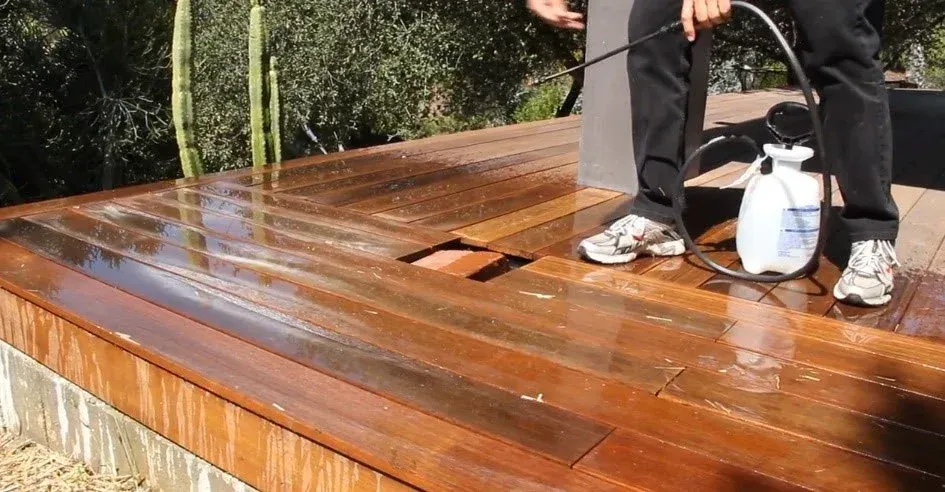
The simple answer to how do you clean a deck is this:
Start by removing furniture, plant pots, toys, and loose items. Sweep the full deck with a stiff brush. Check for loose boards, raised screws, damaged wood, or weak rails. Apply a suitable deck cleaner or mild soapy water. Scrub the deck with the grain of the boards. Rinse with clean water. Leave the deck to dry before walking on it again or putting items back.
That is the basic method. But the right way also depends on what your deck is made from.
Wooden decking and composite decking need different care. A strong cleaner or too much pressure can damage timber. The wrong product can leave marks on composite boards.
Many people ask how do you clean a deck because their decking has gone green or slippery. In most cases, the green layer is algae. It builds up where the deck stays damp and shaded. This is common in Bradford gardens because of rain, shade, trees, and cooler weather.
A clean deck does more than look better. It is safer to walk on. It can also help your deck last longer.
First, check what your deck is made from
Before you start cleaning, check the deck material. This step matters because the wrong method can cause damage.
Most decks are either wood or composite.
Wooden decking is made from natural timber. It may be softwood, hardwood, treated wood, or stained wood. Timber can absorb water. It can also splinter, fade, crack, and grow algae if it is not looked after.
Composite decking is made from a mix of wood fibres and plastic. It often needs less care than timber, but it still gets dirty. It can still grow algae on the surface, especially in shaded areas. It can also stain if spills are left for too long.
If you are not sure what type you have, look at the boards. Timber often has natural grain, knots, and slight changes in colour. Composite boards often look more even and may have a plastic feel or grooved texture.
When people ask how do you clean a deck, the answer should always start with the material. A method that works well on one deck may harm another.
Wood needs gentle but deep cleaning. Composite needs the right cleaner and careful rinsing. Painted or stained decks need extra care so the coating is not stripped away.
How to prepare your deck before cleaning
Good preparation makes deck cleaning easier and safer. It also helps you get a better finish.
First, remove everything from the deck. Take away chairs, tables, plant pots, barbecues, bins, mats, toys, and storage boxes. If you leave items on the deck, dirt will stay trapped underneath them. You may also end up with patchy marks.
Next, sweep the deck fully. Use a stiff outdoor brush. Sweep between the boards if there are gaps. Leaves and mud often sit in these spaces. If they stay there, they hold water and can lead to more algae and rot.
Then check the deck for damage. Look for loose boards, split timber, raised nails, raised screws, weak steps, and wobbly handrails. Cleaning a damaged deck can make the problem worse.
Raised screws can also catch shoes or cleaning tools.
Trim back plants where needed. Bushes, trees, and climbing plants can hold moisture against the deck. They also stop sunlight and air from drying the boards.
Protect nearby grass and plants if you plan to use a cleaning product. Wet the plants first with clean water. Move delicate pots away. Try not to let strong cleaner sit on lawns or flower beds.
This preparation step is a big part of how do you clean a deck properly. A clean result starts before the scrubbing begins.
How to clean a wooden deck
Wooden decking needs careful cleaning. Timber is strong, but it can be damaged by harsh tools, strong chemicals, and high pressure.
Start with a dry sweep. Remove loose dirt, leaves, dust, and grit. Grit can scratch the timber when you scrub.
Next, rinse the deck lightly with water. This helps loosen surface dirt. Do not soak the deck too much before applying cleaner. You want the cleaner to work on the surface, not just wash away.
Apply a wooden deck cleaner or a mild mix of warm water and gentle soap. Use a product that is suitable for outdoor timber. Avoid harsh bleach unless you know the wood can handle it. Strong bleach can lighten timber and damage nearby plants.
Use a stiff brush and scrub along the grain of the wood. Do not scrub across the grain too hard, as this can leave marks. Focus on dark stains, green patches, food marks, and areas near steps.
Leave the cleaner to work for the time stated on the product label. Do not let it dry on the surface. If it starts to dry, add a little more water.
Rinse the deck with clean water. Make sure all cleaner is removed. Any leftover cleaner can make the deck sticky or slippery.
Let the timber dry fully. This may take a full day or more, depending on weather, shade, and airflow. In Bradford, decking can take longer to dry in cooler months.
If the wood looks rough after cleaning, it may need light sanding once dry. If the colour has faded, you may want to oil, stain, or seal it after it has dried fully.
A lot of people search
how do you clean a deck because their wooden deck looks grey. Grey timber is often caused by weathering. Cleaning can remove dirt and algae, but it may not fully restore the original colour. A timber brightener, oil, or stain may be needed after cleaning.
How to clean a composite deck
Composite decking is often easier to care for than wood, but it still needs cleaning. Dirt, algae, food spills, bird mess, and black marks can still sit on the surface.
Start by sweeping the deck. Use a soft or medium outdoor brush. Remove leaves and dirt from grooves if your composite boards have them.
Rinse the deck with water. This removes loose dust and helps prepare the surface.
Use a cleaner made for composite decking, or use warm soapy water for light dirt. Do not use strong solvents. Do not use harsh bleach unless the decking maker says it is safe.
Scrub with a soft brush. Work in small sections. Pay close attention to grooves and textured areas, as dirt can sit there.
Rinse well with clean water. Composite boards can show streaks if cleaner is left behind. Make sure dirty water does not dry on the surface.
For grease marks from barbecues, clean the spill as soon as possible. Composite decking can stain if oil sits for too long.
For black spots or stubborn marks, use a cleaner that is safe for composite boards. Test a small hidden area first.
When people ask
how do you clean a deck made from composite, the main rule is simple. Use gentle cleaning, avoid harsh products, and rinse very well.
How to clean deck steps and handrails
Deck steps and handrails are often touched and walked on more than the main deck. They can get dirty quickly. They can also become slippery and unsafe.
Start with the handrails. Wipe or scrub them with warm soapy water. Use a brush for corners and grooves. Rinse well. If there is algae on the rails, use a suitable outdoor cleaner and follow the label.
Clean steps with extra care. Dirt and algae often build up on the front edge of each step. This is the part your foot touches when you go up or down. Scrub the step surface, the edges, and the sides.
Check for loose boards or screws while cleaning. Steps must feel firm. If they move, they should be repaired before heavy use.
Do not leave soapy water on steps. Rinse well and keep people off the steps until dry.
If your deck steps are in shade, they may need cleaning more often than the rest of the deck. In Bradford, shaded steps can stay damp for long periods, especially in autumn and winter.
A safe deck is not just about looks. Clean steps and rails help reduce slips and falls.
How to remove green algae from a deck
Green algae is one of the most common deck problems. It looks bad and can make the surface very slippery. It often appears in damp, shaded areas.
To remove green algae, first sweep the deck. Then apply an algae remover or suitable deck cleaner. Let it sit for the time shown on the product label. Scrub the area with a stiff brush. Rinse with clean water.
For light algae, warm soapy water and firm scrubbing may be enough. For heavy algae, you may need a stronger outdoor cleaner made for decking.
Avoid mixing cleaning chemicals. This can be unsafe. Never mix bleach with other cleaners.
Green algae may come back if the deck stays damp. Cleaning removes the growth, but prevention matters too. More light, better airflow, and regular sweeping can help.
Many Bradford homes have decks near trees, fences, and shaded garden corners. These areas are more likely to grow algae. That is why how do you clean a deck is such a common question for local homeowners.
If algae is thick, black, or keeps coming back, professional cleaning may be the better option.
Jimmy's External Cleaning Services can clean slippery decking in Bradford and help improve the look and safety of your outdoor space.
Should you use soapy water or deck cleaner?
Soapy water is fine for light dirt. It is cheap, easy, and gentle. Use warm water with a mild washing up liquid or outdoor safe soap. Scrub the deck and rinse well.
Deck cleaner is better for deeper dirt, algae, stains, and weathered decking. It is made to break down grime that normal soap may not remove.
Use soapy water when the deck has light dust, small marks, or fresh dirt.
Use deck cleaner when the deck is green, slippery, stained, dark, or has not been cleaned for a long time.
Always choose a cleaner that matches your deck material. Wood cleaner for timber. Composite cleaner for composite boards.
Do not think stronger always means better. Strong cleaners can harm timber, strip coatings, mark composite decking, or damage nearby plants.
The best answer to
how do you clean a deck is not always to use the strongest product. The best answer is to use the right product in the right way.
DIY deck cleaning compared with professional cleaning
DIY deck cleaning can work well for light dirt. It is a good choice if the deck is small, safe, and only needs a basic wash.
You may need a brush, bucket, hose, cleaner, gloves, and time. For a simple clean, this can be enough.
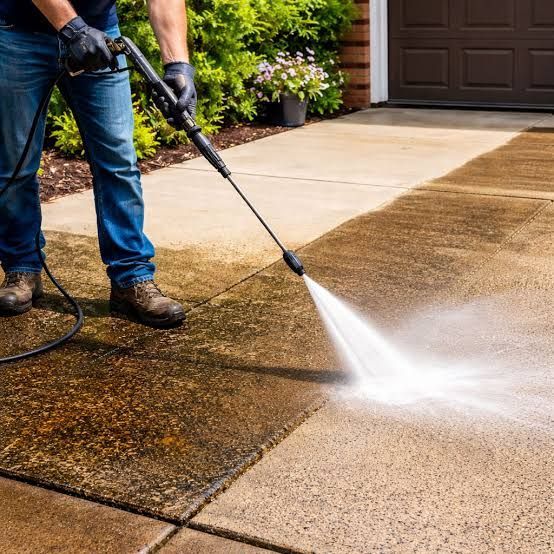
But DIY cleaning has limits. Heavy algae, black marks, old stains, slippery boards, and large decks can take a lot of work. It can also be hard to know which cleaner is safe. Pressure washing can cause damage if it is done the wrong way.
Professional deck cleaning gives a deeper and more even result. A trained cleaner can choose the right method for the surface. They can clean steps, edges, grooves, rails, and problem areas. They can also work safely around plants, walls, patios, and garden features.
A professional service may be best when:
- Your deck is very slippery.
- The surface has thick green algae.
- The deck has not been cleaned for years.
- You are worried about damaging the boards.
- You do not have the right tools.
- You want a clean result without the hard work.
- You are getting the garden ready for guests, sale, or summer use.
For Bradford homeowners, Jimmy's External Cleaning Services offers a trusted local solution for external cleaning. The team can help with decking, patios, driveways, and other outdoor surfaces, giving your home a cleaner and more cared for look.
When people search
how do you clean a deck, they often want a quick answer. But the real answer is this: clean it in a way that suits the material, the level of dirt, and the condition of the surface.
Deck cleaning services in Bradford
Bradford weather can be tough on decking. Rain, shade, moss, algae, and falling leaves can all leave your deck dirty and slippery. Homes in areas such as Great Horton, Wibsey, Queensbury, Thornton, Idle, Eccleshill, Shipley, Bingley, Baildon, and surrounding parts of Bradford often deal with damp outdoor surfaces.
That is where Jimmy's External Cleaning Services can help.
If your deck looks green, stained, dull, or unsafe, Jimmy's External Cleaning Services provides professional external cleaning in Bradford. The service is ideal for homeowners, landlords, letting agents, and businesses that want cleaner outdoor spaces.
A professional deck clean can help improve kerb appeal, make the garden feel more welcoming, reduce slippery build up, and save you the time and effort of doing it alone.
Whether you have wooden decking, composite decking, garden steps, handrails, or a larger outdoor seating area, getting the right clean matters.
For local help, visit
externalcleaningbradford.co.uk and speak with
Jimmy's External Cleaning Services about deck cleaning in Bradford.
Frequently Asked Questions About How Do You Clean a Deck
How do you clean a deck quickly?
To clean a deck quickly, remove furniture, sweep the surface, apply warm soapy water or deck cleaner, scrub with a brush, rinse well, and let it dry. This works best for light dirt. Heavy algae or stains may need a deeper clean.
How do you clean a deck that has gone green?
Green decking is usually caused by algae. Apply an algae remover or suitable deck cleaner, let it work, scrub the boards, and rinse well. Keep the deck dry and clear of leaves to reduce the chance of algae coming back.
How do you clean a deck without damaging it?
Use the right cleaner for the material. Scrub with the grain on timber. Avoid harsh chemicals. Be careful with pressure washing. Test a small hidden area first. If the deck is old or weak, choose a gentle hand clean or call a professional.
How do you clean a deck before staining?
Sweep the deck, wash it with a suitable timber cleaner, scrub away dirt and algae, rinse well, and let it dry fully. The wood must be dry before staining. If old stain is peeling, it may need sanding or stripping first.
How do you clean a deck without a pressure washer?
Use a stiff brush, warm water, mild soap, or deck cleaner. Scrub the boards by hand and rinse with a hose or buckets of clean water. This method is simple and safer for many older wooden decks.
How often should you clean decking?
Most decks should be cleaned once or twice a year. In Bradford, spring and autumn are good times. Shaded or slippery decks may need cleaning more often.
Is bleach safe for decking?
Bleach can remove algae, but it can also lighten wood, harm plants, and damage some finishes. It should be used with care. A proper deck cleaner is often a safer choice.
Can I use washing up liquid to clean decking?
Yes, washing up liquid and warm water can clean light dirt. It may not remove heavy algae, deep stains, or black marks. For those problems, use a suitable deck cleaner.
Who cleans decking in Bradford?
Jimmy's External Cleaning Services provides deck cleaning and external cleaning services in Bradford and nearby areas. The team can help clean dirty, green, and slippery outdoor surfaces.
So, how do you clean a deck in the best way?
You clean it by using the right method for the material, removing dirt first, applying the correct cleaner, scrubbing well, rinsing fully, and letting it dry. You also keep it cleaner for longer by sweeping often, improving airflow, moving pots, and dealing with algae early.
A clean deck looks better, feels safer, and makes your garden more enjoyable.
If your decking in Bradford is green, slippery, stained, or hard to clean,
Jimmy's External Cleaning Services is ready to help.