How to Clean Decking Safely in Bradford | Book Today
Decking can make a garden feel warm, useful, and welcoming. It gives you a place to sit, eat, relax, and enjoy your outdoor space. But when dirt, moss, algae, leaves, and wet grime build up, decking can quickly become dull and slippery.
Knowing how to clean decking the right way helps protect the boards, improves safety, and keeps your garden looking cared for. The good news is that you do not always need harsh chemicals or heavy tools. With the right cleaner, a good brush, and a safe method, you can bring tired decking back to life.
For homeowners who want a deeper clean without the hard work,
Jimmy’s External Cleaning Services provides professional decking cleaning across Bradford.
Quick answer
The safest way to clean decking is to clear the area, sweep away loose dirt, apply a suitable decking cleaner, scrub along the grain of the boards, rinse well, and let the surface dry fully before using it again.
Here is the simple answer.
- Remove furniture, plant pots, toys, and loose items.
- Sweep the whole decking area.
- Pick a cleaner that suits your decking type.
- Apply the cleaner and let it sit for a short time.
- Scrub with a stiff outdoor brush.
- Rinse with clean water.
- Leave the decking to dry before walking on it.
This is the basic method for how to clean decking safely at home. The main thing is to avoid rushing. Give the cleaner time to work, scrub with care, and rinse properly so no residue is left behind.
If your decking is very slippery, stained, green, black, or covered in moss, it may need a stronger clean. In Bradford, damp outdoor spaces can become slippery fast, especially in shaded gardens. That is when a professional clean from Jimmy’s External Cleaning Services can save time and reduce the risk of damage.
Why decking gets dirty and slippery
Decking sits outside all year. It deals with rain, wind, mud, falling leaves, dust, food spills, bird mess, and garden waste. Over time, this creates a thin layer of dirt on the surface.
When that dirt stays wet, algae and moss can grow. These growths often make decking feel slimy underfoot. This is why a deck can look fine from a distance but feel unsafe when you walk on it.
Wood decking can also hold moisture in small cracks and grooves. Composite decking is usually easier to care for, but it can still collect grime, algae, and staining. No decking is fully maintenance free.
The most common causes of dirty decking are:
- Fallen leaves left sitting on the boards.
- Soil from plant pots.
- Poor drainage around the deck.
- Shade from trees, walls, or fences.
- Food and drink spills.
- Moss and algae growth.
- General outdoor dirt from shoes, pets, and weather.
Once you understand why decking gets dirty, it becomes easier to prevent problems. Regular sweeping and light cleaning can stop grime from building up. A deep clean once or twice a year can help keep the deck safer and better looking.
What you need before cleaning decking
Before you start, gather everything you need. This makes the job quicker and safer.
You may need:
- A stiff outdoor broom.
- A hand brush for edges and corners.
- A bucket.
- Warm water.
- Decking cleaner.
- A stiff scrubbing brush.
- Garden hose.
- Protective gloves.
- Safety glasses if using a strong cleaner.
- Old clothes or waterproof clothing.
- Bin bags for leaves and debris.
- A plastic scraper for thick moss.
Choose your cleaner with care. Do not use bleach without checking whether it is safe for your decking. Strong bleach can fade timber, harm nearby plants, and leave marks if used badly.
Some cleaners are made for wood decking, while others are better for composite boards.
If you are not sure how to clean decking without damaging it, start with the mildest safe option first. A proper decking cleaner is usually better than a random household cleaner because it is made for outdoor boards.
Also check the weather. A dry, mild day is best. Avoid cleaning decking in strong sun because cleaners can dry too fast. Avoid cleaning in heavy rain because the cleaner may wash away before it has worked.
Step 1: clear the decking area
The first step in how to clean decking is simple. Clear the whole space.
Move garden furniture, plant pots, barbecues, storage boxes, toys, and outdoor rugs. Do not just clean around them. Dirt and algae often build up underneath these items because the boards stay damp and shaded.
Check the surface as you clear it. Look for loose screws, raised nails, split boards, soft timber, or wobbly steps. These issues should be fixed before you scrub or pressure wash. Cleaning a damaged deck can make weak spots worse.
If you have heavy plant pots, lift them carefully. Plant pots can leave dark ring marks on decking, especially if they have been in the same place for a long time. Put them on a paved area while you clean.
This is also a good time to trim back any plants touching the deck. Bushes and low branches can trap moisture and shade the boards, which makes moss and algae more likely to grow.
A clear deck is easier to clean and safer to work on. You can see the full surface, move your brush properly, and rinse every board without missing hidden areas.
Step 2: sweep away leaves, mud, and loose dirt
Once the area is clear, sweep the decking well. Use a stiff outdoor broom and work along the length of the boards. Push leaves, mud, twigs, and grit into one area, then bag them up.
Pay close attention to gaps between boards. Dirt often sits in these spaces. If the gaps are blocked, rainwater may not drain well. This can leave the deck damp for longer and make slipping more likely.
Use a hand brush or plastic scraper to clear thick moss from corners, steps, edges, and around rail posts. Do not use a sharp metal tool because it may gouge the boards.
Sweeping may feel like a small job, but it matters. If you apply cleaner straight onto loose dirt, the cleaner wastes its power on surface debris rather than the grime stuck to the boards. A clean surface allows the product to work better.
This step is also helpful if you want to learn
how to clean decking without making a mess. Removing dry leaves and loose dirt first stops them turning into muddy sludge when water is added.
Step 3: choose the right cleaner for your decking
The best cleaner depends on the type of decking and the level of dirt.
For lightly dirty decking, warm soapy water may be enough. Use a mild outdoor soap, scrub well, and rinse. This can help with dust, light mud, and small stains.
For green or slippery decking, use a decking cleaner made to remove algae and grime. These products are designed to break down organic growth on outdoor boards. Always read the label and follow the instructions.
For timber decking, choose a cleaner that is safe for wood. Some products also brighten the timber and help remove grey surface weathering. Do not assume that a patio cleaner is safe for wood.
For composite decking, use a cleaner that suits composite boards. Composite decking can still stain, and some harsh chemicals can affect its surface. If in doubt, test a small hidden area first.
For oil or grease marks, use a suitable degreasing cleaner. Food spills from barbecues can sink into the surface if left too long. Treat these marks as soon as possible.
When people ask how to clean decking, they often want one magic product. In truth, the right cleaner depends on the problem. Green algae, muddy footprints, black staining, food spills, and weathered timber may all need different treatment.
Jimmy’s External Cleaning Services can assess the decking first and use the right cleaning method for your surface. This is useful for Bradford homes where decking may be old, stained, or already soft in places.
Step 4: scrub the boards safely
Apply your chosen cleaner as directed. Some cleaners need to be mixed with water. Others are ready to use. Spread it evenly across the decking with a brush, watering can, or sprayer, depending on the product.
Let the cleaner sit for the stated time. Do not let it dry out on the boards. If the weather is warm, work in smaller sections so you can control the clean.
Now scrub the decking. Use a stiff brush and scrub along the grain of the boards. This helps lift dirt from grooves without roughing up the surface too much.
Take extra care on steps, shaded corners, and areas near doors. These spots often get the most foot traffic and can hold the most grime.
Do not scrub so hard that you damage the boards. The goal is to lift dirt, not tear the surface. If a mark does not shift, apply more cleaner and give it more time rather than forcing it with heavy pressure.
This is one of the most important parts of how to clean decking. A safe scrub gives you control. It also helps you avoid the damage that can happen when pressure washing is used too close or too strongly.
Step 5: rinse the decking properly
After scrubbing, rinse the decking with clean water. A garden hose is usually enough for home cleaning.
Work from one end of the deck to the other so dirty water flows away from the clean area.
Make sure you rinse between the boards, around rail posts, along edges, and on steps. Cleaner left behind can dry into a film. This may make the deck look patchy or feel sticky.
If the deck is raised, check where the dirty water is going. Avoid washing dirt onto paths, walls, doors, or garden furniture. Keep pets and children away until the area is fully rinsed and dry.
If you used a cleaning product, protect nearby plants where possible. Wet plants with clean water before and after cleaning if there is any risk of cleaner touching them.
A proper rinse is a key part of how to clean decking because it removes loosened dirt and cleaning residue. Skipping this step can leave the deck looking worse once it dries.
Step 6: let the decking dry fully
After rinsing, leave the decking to dry. Do not put furniture, pots, or rugs back straight away. Trapping moisture under items can cause marks and encourage more algae growth.
Drying time depends on the weather, shade, and airflow. A sunny open deck may dry quickly. A shaded deck may take much longer.
Once dry, check the surface. If it still looks dirty, you may need a second clean. If it looks clean but dull, timber decking may need oiling or staining after it has fully dried. Only apply oil, stain, or sealant when the decking is dry enough for the product you are using.
This final drying stage is easy to forget, but it matters. Clean decking needs air. Letting it dry fully helps protect the boards and keeps the finish even.
Can you pressure wash decking?
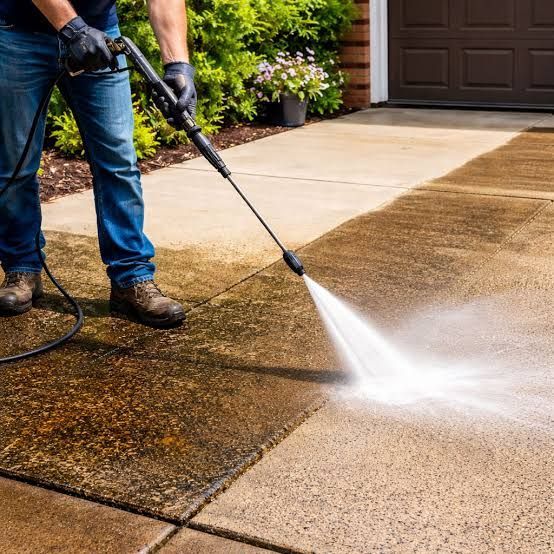
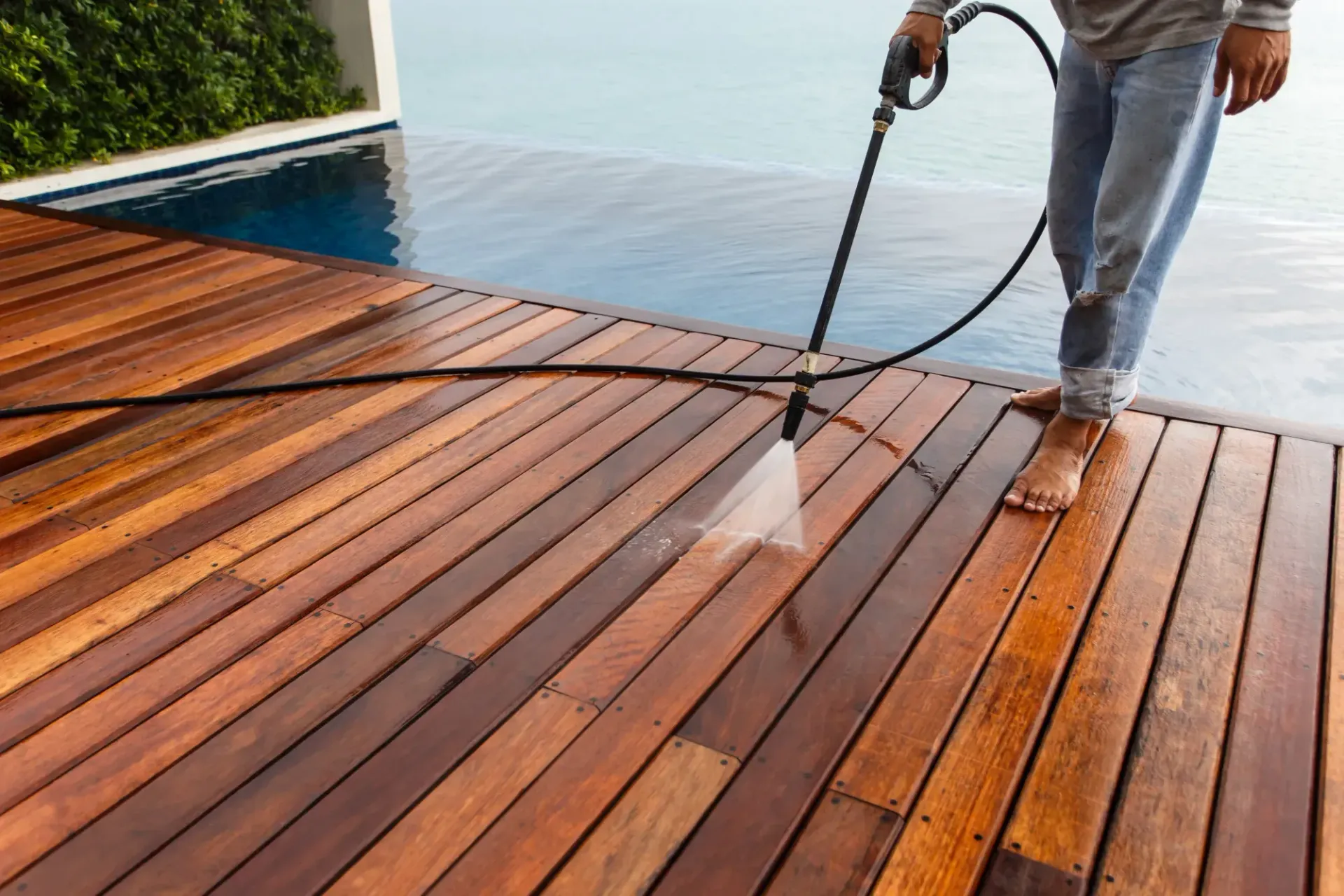
Yes, you can pressure wash some decking, but you must be careful. Too much pressure can damage timber, lift fibres, strip finish, and leave lines in the boards. Composite decking can also be marked if the pressure is too high or the nozzle is too close.
If you use a pressure washer, use a low setting, keep the nozzle moving, and hold it at a safe distance. Work with the grain of the boards. Do not blast one spot for too long.
Avoid using a narrow jet on wood decking. A fan spray is safer. It spreads the water over a wider area and reduces the risk of cutting into the surface.
Pressure washing can be helpful when the decking is heavily soiled, but it is not always the best first choice. Scrubbing with the right cleaner is often safer for home use.
This is where professional help can make a big difference. Jimmy’s External Cleaning Services uses the right cleaning approach for the condition of the deck. For some decks, that may mean controlled pressure washing. For others, it may mean a softer cleaning method.
If you are unsure how to clean decking with a pressure washer, do not guess. One wrong setting can leave permanent marks.
Common decking cleaning mistakes
Cleaning decking looks simple, but a few common mistakes can cause poor results or damage.
One mistake is using too much pressure. High pressure can tear wood fibres and make the deck rough. It can also force water into weak areas.
Another mistake is cleaning without sweeping first. Leaves and grit turn into muddy water and spread across the boards.
Many people also use the wrong cleaner. A harsh product may stain the decking, harm plants, or leave pale patches.
Some people clean the deck and then put furniture back while the boards are still wet. This traps moisture and can lead to fresh marks.
Another common issue is ignoring drainage. If water sits on the deck after cleaning, the surface may become slippery again.
People also forget the gaps between boards. Blocked gaps hold wet debris, which can feed moss and algae.
The last mistake is leaving the job too long. A deck that is cleaned often is easier to care for. A deck left for years may need deeper cleaning, repairs, or treatment.
A good approach to how to clean decking is simple: clean gently, rinse well, dry fully, and maintain it often.
How often should you clean decking?
Most decking benefits from light cleaning several times a year and a deeper clean when dirt, algae, or stains start to build up.
A simple sweep every week or two can make a big difference, especially in autumn when leaves fall. Remove wet leaves quickly because they can stain the boards and make the surface slippery.
A deeper clean is often useful in spring. This prepares the deck for warmer months when you are more likely to use the garden. Another clean in autumn can remove dirt before winter weather sets in.
Your deck may need cleaning more often if it is:
- Under trees.
- In a shaded garden.
- Used by pets.
- Close to soil or grass.
- Used for outdoor eating.
- Often wet.
- Already prone to algae.
For Bradford homes, shaded and damp areas can need more care. If your decking turns green quickly or feels slippery soon after cleaning, it may need a professional treatment and better maintenance plan.
Knowing how to clean decking is useful, but knowing when to clean it is just as important. Regular care keeps the job smaller and helps the deck stay safer.
When to book professional decking cleaning in Bradford
You can clean light dirt yourself, but some decking needs professional care. If your deck is very slippery, blackened, stained, covered in moss, or hard to clean by hand, it may be time to book expert help.
You should also call a professional if:
- The decking is large.
- The boards are old or delicate.
- You are worried about pressure washer damage.
- The deck has deep grooves full of dirt.
- You want a clean finish without spending hours scrubbing.
- The area is unsafe to walk on.
- You are preparing your garden for guests, sale, or rent.
Jimmy’s External Cleaning Services offers decking cleaning in Bradford for homeowners who want a cleaner, fresher, and safer outdoor space. We clean external surfaces with care and choose the right method for the job.
Our team can help remove built up grime, moss, algae, and dirt from decking. We also clean other outdoor surfaces, so your garden area can look neat from top to bottom.
Call Jimmy’s External Cleaning Services when you want the job done properly without the stress. Visit www.externalcleaningbradford.co.uk to get in touch.
Frequently Asked Questions
What is the best way to clean decking?
The best way to clean decking is to sweep it first, apply a suitable decking cleaner, scrub with a stiff brush, rinse with clean water, and let it dry fully. This method is safe for most decks when done with care.
Can I clean decking with washing up liquid?
You can use mild soapy water for light dirt, but it may not remove algae, moss, or deep stains. For slippery or green decking, a proper decking cleaner is usually better.
How do I clean slippery decking?
To clean slippery decking, remove loose debris, apply a cleaner made for algae and grime, scrub the surface well, and rinse fully. If the deck is still slippery after cleaning, book a professional clean.
Is bleach safe for decking?
Bleach is not always the best choice. It can fade timber, harm nearby plants, and leave patchy results if used badly. Use a cleaner made for decking where possible.
Can pressure washing damage decking?
Yes, pressure washing can damage decking if the pressure is too high, the nozzle is too close, or the spray is held in one place for too long. A careful, low pressure method is safer.
How often should decking be cleaned?
Decking should be swept often and deep cleaned when dirt, algae, or stains build up. Many people clean decking in spring and autumn, but shaded or damp decks may need more regular care.
How do I stop decking going green?
Keep the deck clear of leaves, improve airflow, move plant pots often, trim nearby plants, and clean the surface before algae builds up. A professional clean can also help remove green growth more deeply.
Why does my decking get dirty so quickly?
Decking gets dirty quickly when it is shaded, damp, under trees, near soil, or used often. Poor drainage can also cause dirt and algae to build up faster.
Ready to clean your decking in Bradford?
Now you know how to clean decking safely. But if your deck is green, slippery, stained, or too much work to clean by hand, professional help is the better choice.
Jimmy’s External Cleaning Services is here to help homeowners across Bradford keep their outdoor areas clean, fresh, and safe to use.