Industrial Pressure Washing Bradford for Large Outdoor Areas
Industrial sites deal with more dirt, traffic, weather and surface wear than most domestic properties. Warehouses, workshops, factories, distribution buildings and managed business sites can quickly develop heavy dirt on yards, loading areas, access roads, entrances and other outdoor surfaces.
Industrial pressure washing can help restore these areas and keep them looking cleaner and better maintained. The key is choosing the right pressure, equipment and cleaning method for the surface rather than simply using the strongest possible machine.
For businesses in Bradford, Jimmy's External Cleaning Services provides professional external cleaning for hard outdoor surfaces. The company already carries out pressure washing work for commercial properties and larger outdoor areas across Bradford and nearby locations including Shipley, Bingley, Keighley and Pudsey.
This guide explains how
industrial pressure washing works, which outdoor areas may be suitable, how access can be managed and what businesses should consider before arranging a cleaning service.
What Is Industrial Pressure Washing?
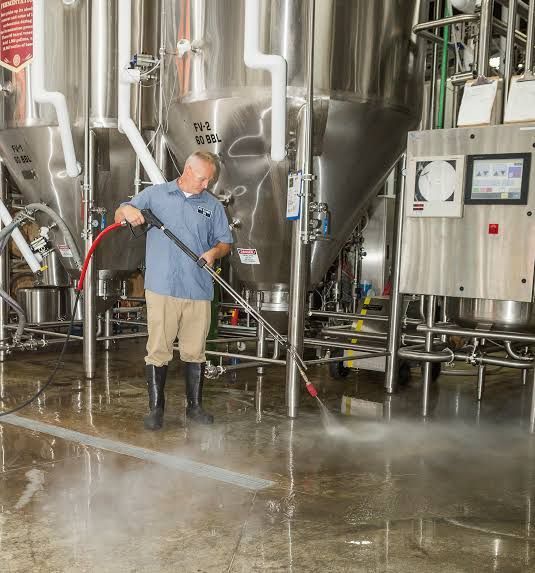
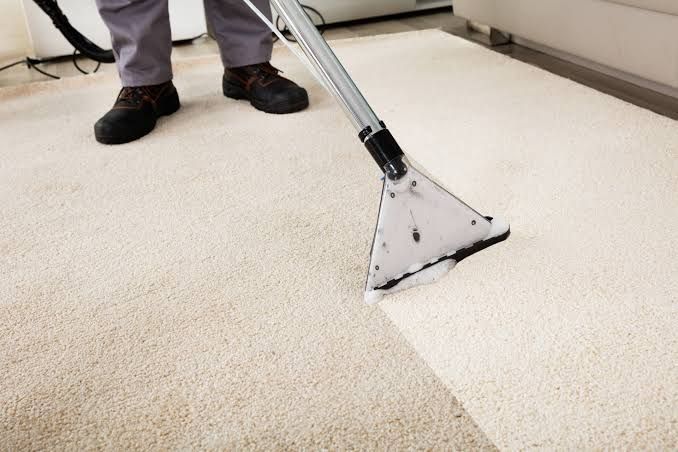
Industrial pressure washing is the use of controlled water pressure and suitable cleaning methods to remove dirt and unwanted build up from large hard outdoor surfaces.
Pressure washing can be used on surfaces such as concrete, paving, stone and other suitable hard materials. The pressure and method need to be selected according to the surface condition and the type of dirt being removed.
A common mistake is to assume that industrial cleaning simply means using more pressure. That is not always true.
Older concrete, damaged surfaces, weak joints, natural stone and tarmac may react badly to excessive pressure. A professional cleaner should consider the surface before choosing the equipment and cleaning method.
Wikipedia describes pressure washing as the use of high pressure water spray to clean hard surfaces and remove loose dirt, grime, mud and other unwanted material. Pressure washing on Wikipedia
For industrial and commercial properties, the size of the area is also an important factor. A small entrance may be cleaned quickly, while a large warehouse yard or service area needs careful planning.
At
Jimmy's External Cleaning Services, professional grade pressure washing equipment is used for exterior cleaning, with the approach adjusted according to the surface and the cleaning problem.
How Is Industrial Pressure Washing Different From Commercial Cleaning?
The terms industrial and commercial cleaning are sometimes used in the same way, but they can describe different levels of work.
Commercial pressure washing generally covers business properties such as shops, offices, hotels, car parks, entrances, pathways and managed properties.
Industrial properties may have much larger outdoor areas and higher levels of vehicle traffic. A warehouse yard may receive heavy delivery traffic every day. A workshop entrance may collect mud, tyre marks and general grime. A distribution site may need regular cleaning because vehicles are constantly moving around the property.
This means industrial pressure washing often requires more planning around access, site use, working hours, drainage and the condition of the surface.
It also means that a cleaning contractor should be honest about its capabilities.
Jimmy's External Cleaning Services should be considered for suitable external hard surface cleaning rather than specialist production cleaning, machinery cleaning or hazardous contamination removal unless those services have been specifically confirmed.
That distinction is important.
A trustworthy cleaning company should never claim to handle specialist industrial contamination, chemical waste or production equipment unless it has the correct training, equipment, insurance and procedures for that type of work.
Which Industrial Outdoor Areas Can Be Cleaned?
Many industrial properties have large outdoor surfaces that can benefit from regular cleaning.
Suitable areas may include warehouse yards, concrete hard standing, external walkways, entrances, access areas, service yards, selected parking areas and other hard surfaces where pressure washing is appropriate.
The exact suitability depends on the material and condition of the surface.
Warehouse Yards
Warehouse yards can collect large amounts of mud, traffic dirt and general debris.
Delivery vehicles may move through the same areas every day. Rain can spread dirt across concrete surfaces, while shaded sections may develop moss or algae over time.
Regular industrial pressure washing can help remove this surface build up and improve the appearance of the yard.
Cleaning can also make it easier for property managers to spot problems such as cracked areas, damaged surfaces or drainage issues.
Large yards do not always need to be cleaned all at once. A cleaning plan can divide the property into manageable sections so normal operations can continue where possible.
Loading Areas
Loading bays can be among the busiest outdoor parts of an industrial property.
Forklift traffic, delivery vehicles, pallets, bins, mud and general use can quickly make the surrounding ground look dirty.
Industrial pressure washing can be used on suitable hard surfaces around loading areas, provided the surface is suitable and the cleaning process can be completed safely.
Scheduling is particularly important in these locations. Deliveries may need to be considered before work starts so that the cleaning area does not interfere with normal vehicle movements.
Access Roads
External access roads can collect mud, tyre marks and general traffic dirt.
If the road surface is suitable for pressure washing, professional cleaning can help improve its appearance. However, not every surface should be treated in the same way.
Tarmac, for example, needs more care than some concrete surfaces. Excessive pressure can damage vulnerable areas.
This is why a professional assessment should take place before industrial pressure washing begins.
Paths and Staff Walkways
Industrial properties often have pedestrian routes connecting entrances, car parks, offices and service areas.
Moss and algae can develop where surfaces remain damp or shaded. Dirt can also build up around doorways and heavily used routes.
Cleaning these areas can improve the overall appearance of the site and help maintain a cleaner external environment for staff and visitors.
Can Warehouse Yards Be Pressure Washed?
Yes, suitable warehouse yards can often be pressure washed.
Warehouse yards are particularly exposed to heavy vehicle use, weather and outdoor dirt. Concrete areas can become dark with traffic film and surface grime, while moss and algae may develop around shaded edges.
Before cleaning begins, the surface should be inspected.
The age of the concrete, condition of the joints, existing cracks, drainage and type of contamination can all affect the cleaning approach.
Jimmy's External Cleaning Services already provides commercial pressure washing for business properties in Bradford. Its commercial cleaning information explains that yards, service areas, car parks, paths and other external hard surfaces can be suitable for professional cleaning when the correct method is selected.
For larger warehouse sites, cleaning can be planned in sections to reduce disruption to normal operations.
Can Loading Bays and Access Roads Be Cleaned?
Yes, loading bays and suitable access areas can be cleaned when the surface and site conditions allow it.
These areas often become dirty faster than customer facing parts of a business property because they are used by delivery vehicles and staff throughout the working day.
Mud, tyre marks and general traffic dirt can build up around loading points. Oil and grease marks may also appear where vehicles regularly park or turn.
A professional cleaning plan should look at the whole area rather than simply cleaning the most visible patch.
This may include the main loading area, surrounding hard standing, pedestrian access routes and other suitable sections.
The timing of the work should also be discussed in advance.
For example, a cleaning company may be able to work during a quieter period when fewer deliveries are taking place.
Can Industrial Pressure Washing Remove Oil and Tyre Marks?
Industrial pressure washing can improve many types of traffic dirt and staining, including some tyre marks and oil related marks.
However, there is an important difference between fresh surface dirt and old stains that have soaked into porous materials.
Concrete can absorb oil and other substances. When a stain has been present for a long time, pressure washing may improve its appearance without removing every trace.
This is why a reliable cleaner should avoid promising perfect results before inspecting the surface.
The cleaning method may include suitable pre treatment where appropriate. The exact method depends on the surface, the age of the stain and the type of contamination.
Tyre marks can sometimes respond well to pressure washing because they are often surface level. Older or deeply bonded marks may require a more targeted approach.
Jimmy's External Cleaning Services can assess the condition of the outdoor surface and explain what level of improvement is realistic before the work is arranged.
When Is Hot Water Pressure Washing Useful?
Hot water can be useful for certain types of difficult outdoor dirt, particularly where grease and oil are involved.
Heat can help loosen greasy residue and make some types of contamination easier to remove from suitable surfaces.
However, hot water is not automatically required for every industrial cleaning job.
A cold water system may be enough for general dirt, mud, moss, algae and traffic film. The right choice depends on the condition of the surface and the material being removed.
This is another reason why businesses should not choose a contractor based only on machine power.
The cleaning method should be matched to the problem.
Industrial pressure washing is about control, not simply maximum pressure or maximum heat.
How Is the Surface Assessed Before Cleaning?
Before cleaning starts, the contractor should look at the condition and type of surface.
Concrete, tarmac, block paving and natural stone do not always react in the same way.
The cleaner should consider whether there are broken joints, cracks, loose material, previous repairs or areas that may be more sensitive.
The type of dirt also matters.
General mud is different from oil. Moss is different from paint. Tyre marks are different from deeply absorbed staining.
A surface assessment helps determine the right pressure, nozzle, cleaning equipment and treatment.
Jimmy's External Cleaning Services already follows this principle in its commercial pressure washing work. Its guidance explains that the correct pressure and cleaning method should depend on the material, surface condition, access and type of dirt.
This approach can help reduce the risk of unnecessary damage while giving the business a realistic expectation of the finished result.
How Is Vehicle and Staff Access Controlled?
Safety and access planning are important on active industrial sites.
Pressure washing creates wet surfaces, spray and temporary equipment areas. Hoses may cross work zones and cleaning machines need enough room to operate.
For this reason, the cleaning team and site manager should agree on access arrangements before work starts.
Vehicle movements should be considered. Staff walkways should also be kept clear where possible.
A larger property may be cleaned in sections. One part of the yard can be worked on while another section remains available for access.
Warning signs and clear communication may also be useful depending on the property.
The precise arrangement depends on the site and the level of activity taking place during the cleaning visit.
How Is Cleaning Water Managed?
Water management is an important part of professional exterior cleaning.
Pressure washing can dislodge a large amount of dirt, mud, algae and other debris. That material should not simply be pushed towards the nearest drain.
At Jimmy's External Cleaning Services, collected dirt and debris are part of the cleaning process. The company explains that allowing waste material to enter drains can create blockages and contribute to drainage problems.
On industrial sites, water and waste management should be considered before work begins.
Drainage points, slopes, access areas and nearby surfaces can all affect how the cleaning work should be carried out.
Some sites may have additional environmental requirements depending on what is being cleaned and what substances are present.
Where a property contains hazardous contamination or regulated industrial waste, the responsible site operator should use a suitably qualified specialist.
Can Cleaning Be Completed Outside Operating Hours?
In many commercial situations, cleaning can be arranged around normal business activity.
This may include early morning, evening or weekend work, depending on availability and the site.
For an industrial property, this can be particularly useful because delivery schedules and vehicle movements may be easier to manage during quieter periods.
Cleaning outside peak hours may also reduce disruption for employees, drivers and visitors.
However, the best schedule depends on the individual property.
Before arranging industrial pressure washing, the business should explain its operating hours, delivery times, busiest periods and any restricted areas.
This allows the cleaner to plan the work in a practical way.
What Equipment May Be Needed?
Professional pressure washing equipment can vary depending on the size and type of job.
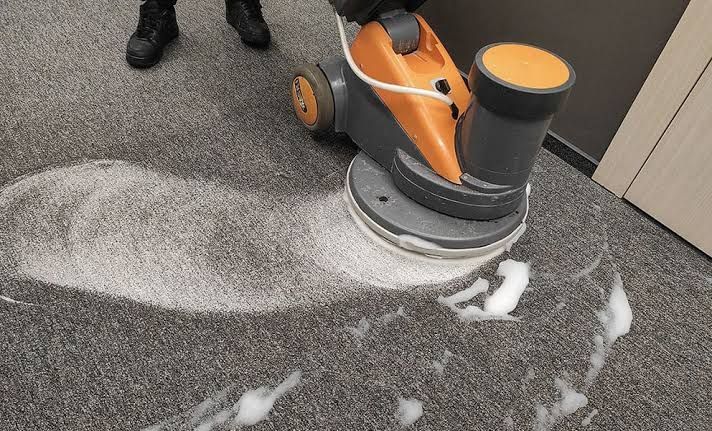
A contractor may use professional grade pressure washing machines, suitable nozzles and surface cleaning tools for larger flat areas.
The equipment should be selected according to the surface rather than simply choosing the most powerful machine available.
For example, a hard concrete yard may tolerate a different cleaning method from an older tarmac surface.
Surface cleaning equipment can also help produce a more even finish across large areas.
The goal is to remove dirt effectively while controlling spray, water use and the risk of surface damage.
Jimmy's External Cleaning Services uses professional grade pressure washing equipment for its exterior cleaning work and adjusts the cleaning approach according to the surface.
Are Regular Maintenance Agreements Available?
Regular cleaning can be useful for businesses that want their outdoor areas to remain consistently maintained.
A warehouse yard that becomes heavily dirty every few months may be easier to manage with planned cleaning rather than waiting until the area becomes severely stained.
Regular industrial pressure washing may be considered for sites with high vehicle traffic, exposed outdoor surfaces or recurring moss and algae.
The ideal frequency depends on the property.
A site beside busy roads may collect dirt faster than a quieter location. A shaded yard may develop organic growth more quickly than an open area with good sunlight.
Weather and usage also matter.
There is no single cleaning schedule that works for every industrial property. The best approach is to inspect the site and decide how often cleaning is actually needed.
What Information Is Required Before Quoting?
Before providing a quote for industrial pressure washing, it helps to provide as much information as possible.
A cleaning company may need to know the location of the site, the approximate size of the outdoor area and the type of surface involved.
Photos can also be useful for an initial assessment.
Businesses should explain whether the site has regular delivery traffic, restricted areas or any access requirements.
It is also helpful to identify the main cleaning problems.
For example, the property may have:
- Concrete yard dirt
- Heavy tyre marks
- Oil staining
- Moss and algae
- Mud build up
- Dirty loading areas
- Darkened pedestrian paths
- General traffic film
The more information provided before the visit, the easier it is to decide whether the job is suitable and what cleaning method may be required.
For a straightforward starting point, visit the
Jimmy's External Cleaning Services contact page or use the enquiry options available on the website.
Which Bradford Industrial Locations Are Covered?
Jimmy's External Cleaning Services provides exterior cleaning across Bradford and surrounding areas.
The company's existing commercial pressure washing service specifically mentions Bradford, Shipley, Bingley, Keighley and Pudsey.
This makes the service relevant to businesses and managed properties throughout these areas where suitable outdoor hard surfaces require professional cleaning.
The exact cleaning suitability depends on the property.
A large industrial site may be suitable for outdoor pressure washing, while specialist internal production areas, machinery or hazardous contamination may require a different specialist contractor.
Being clear about the service boundary helps businesses choose the right solution for their property.
Why Choose Jimmy's External Cleaning Services?
Choosing a contractor for industrial and commercial exterior cleaning is about more than machine power.
The cleaner should understand different surfaces, use suitable pressure levels and recognise when a particular stain or material requires another method.
Jimmy's External Cleaning Services has experience providing professional external cleaning and commercial pressure washing in Bradford and nearby areas.
The company already works with outdoor surfaces including concrete, block paving, tarmac, stone and other suitable exterior areas. Its existing services also cover driveway cleaning, patio cleaning, decking cleaning, stone and wall cleaning and other external cleaning requirements.
The company also explains that professional equipment gives greater control over pressure, attachments and area coverage than many small domestic machines.
This can be valuable on larger commercial sites where speed, consistency and careful surface treatment all matter.
Most importantly, businesses should receive honest advice.
Not every stain will disappear completely. Not every surface should receive maximum pressure. Not every industrial cleaning problem is suitable for a general pressure washing contractor.
That is why an honest site assessment is an important part of the process.
What Should Businesses Check Before Booking Industrial Pressure Washing?
Before booking industrial pressure washing, businesses should think about the surface, the size of the area, access, working hours and drainage.
It is also sensible to ask what the contractor can and cannot clean.
A company that specialises in external hard surface cleaning should be clear about its capabilities rather than making broad claims about specialist industrial work.
For example, a warehouse yard, concrete loading area or external access route may be suitable for professional pressure washing.
A production room containing specialist machinery, hazardous chemical residue or regulated contamination is a different type of job and may require a specialist industrial cleaning contractor.
Clear communication protects both the business and the cleaning company.
What is industrial pressure washing used for?
Industrial pressure washing is used to clean suitable large outdoor hard surfaces such as warehouse yards, loading areas, service areas, access routes, concrete surfaces and other commercial exterior spaces. The cleaning method should be selected according to the surface and type of dirt.
Can industrial pressure washing remove oil?
Industrial pressure washing can improve some oil and grease marks, especially when suitable cleaning methods or pre treatment are used. However, old oil can soak into porous materials such as concrete, so complete removal cannot always be guaranteed.
Is hot water needed for industrial cleaning?
No. Hot water is useful for some grease and oil problems, but many outdoor cleaning jobs can be completed effectively with cold water. The correct method depends on the surface and type of contamination.
Can an industrial site remain open during cleaning?
In many cases, cleaning can be planned around normal business activity. Large areas may be cleaned in sections, and quieter periods can be used to reduce disruption. Vehicle movements, staff access and deliveries should be discussed before work begins.
How often should loading bays be cleaned?
There is no fixed schedule for every site. A loading bay with heavy vehicle traffic may need cleaning more often than a quieter area. Regular inspection can help determine whether monthly, quarterly, seasonal or less frequent cleaning is appropriate.
A clean outdoor area can make a major difference to the appearance and maintenance of an industrial property.
Warehouse yards, loading spaces, access roads and staff walkways are exposed to constant use, weather and traffic. Over time, dirt, mud, algae, moss, tyre marks and staining can make these areas look neglected.
Industrial pressure washing can be an effective way to restore suitable hard outdoor surfaces when the correct equipment and cleaning method are used.
The most important point is not to treat every industrial property in exactly the same way.
Surface condition, material, access, drainage, site activity and the type of dirt all need to be considered.
For businesses in Bradford, Jimmy's External Cleaning Services provides professional commercial and exterior pressure washing for suitable outdoor areas. The company covers Bradford and surrounding locations including Shipley, Bingley, Keighley and Pudsey.
For related exterior cleaning information, you can also read the existing Commercial Pressure Washing Bradford service page.
If your business has a warehouse yard, loading area, hard standing or another suitable outdoor surface that needs professional attention,
contact
Jimmy's External Cleaning Services to discuss the site and find out whether
industrial pressure washing is suitable for your property.