How to Clean a Resin Driveway Safely in Bradford Today
A resin driveway can give your home a clean, modern, and attractive entrance. However, dirt, moss, oil, leaves, and tyre marks can gradually make the surface look dull. Cleaning it correctly helps restore its appearance and prevents slippery growth from spreading.
Many homeowners search for how to clean a resin driveway without damaging the resin or loosening the stones. The safest method is to begin with gentle cleaning. Sweep away loose dirt, apply a suitable mild cleaner, scrub with a soft brush, and rinse with clean water.
A pressure washer can also be used, but it must be handled carefully. Strong pressure, narrow nozzles, and harsh chemicals may damage the surface. This guide explains every step clearly so you can clean your driveway safely.
For homeowners in Bradford, Shipley, Bingley, Saltaire, and Queensbury, Jimmy's External Cleaning Services provides professional resin driveway cleaning when normal home cleaning is not enough.
Quick Answer
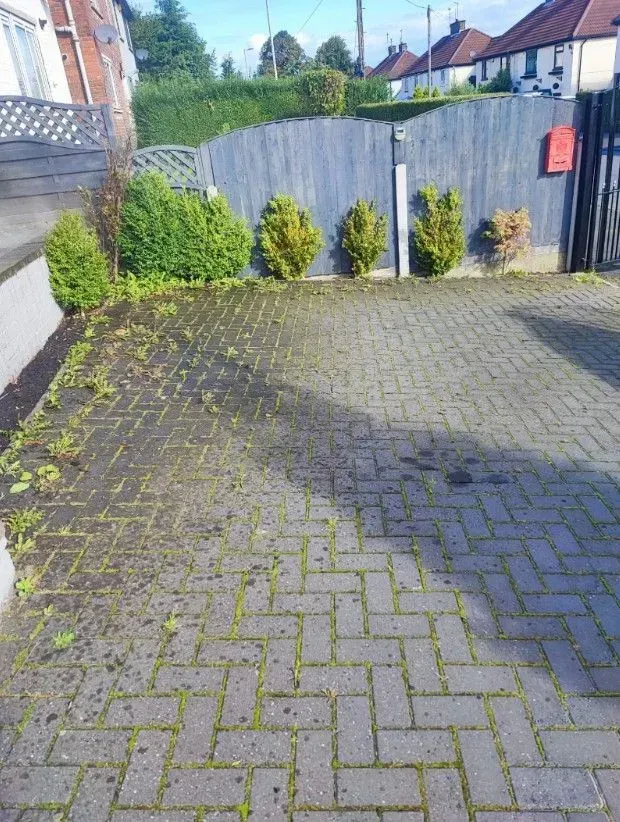
Here is the simple answer to how to clean a resin driveway safely.
- Remove cars, plant pots, bins, and other items.
- Sweep the driveway with a soft outdoor broom.
- Remove leaves, soil, stones, and loose dirt.
- Mix warm water with a mild cleaner suitable for resin.
- Apply the solution to a small test area.
- Scrub the surface gently with a soft brush.
- Rinse thoroughly with clean water.
- Allow the driveway to dry naturally.
For moss, algae, oil, and deep stains, use a cleaner made for resin surfaces. Always check the product instructions before applying it to the whole driveway.
Why Resin Driveways Need Careful Cleaning
Resin driveways are made by combining resin with small stones or aggregates. This creates a strong and smooth surface that can improve the entrance to a property.
Although resin is durable, it is not impossible to damage. Using the wrong cleaning equipment can weaken the surface, change its colour, or loosen the stones.
The most common causes of resin driveway damage include:
- Excessive water pressure
- A pressure washer nozzle held too close
- Strong acid cleaners
- Undiluted bleach
- Metal brushes
- Sharp scraping tools
- Cleaning chemicals that are not suitable for resin
- Heavy scrubbing in one small area
A resin driveway normally needs a gentler approach than concrete or block paving. The aim is to remove dirt without affecting the bond between the resin and the stone.
You should also understand which type of resin surface you have. Resin bound and resin bonded driveways can look similar, but their construction is different.
A resin bound surface contains stone mixed throughout the resin before installation. A resin bonded surface normally has stone scattered over a layer of resin. A bonded surface may be more likely to lose loose stones during aggressive cleaning.
When learning
how to clean a resin driveway, check any information provided by the original installer. Their care instructions should always be considered before using strong equipment or chemicals.
How Often Should You Clean a Resin Driveway?
Most resin driveways benefit from light cleaning every few weeks and a deeper clean once or twice a year.
The correct schedule depends on the location of your property and how quickly dirt builds up.
You may need more regular cleaning when your driveway is:
- Under trees
- Close to a busy road
- Beside an open field
- In a shaded area
- Near a leaking vehicle
- Used by several cars
- Surrounded by soil or garden beds
Leaves and organic matter should be removed as soon as possible. Wet leaves can leave dark marks and may encourage moss or algae to grow.
During autumn, sweeping once a week may be helpful. During wet months in Bradford, shaded resin surfaces can stay damp for longer. This makes regular inspection important.
A yearly professional clean can also help maintain the surface. Professional cleaning is especially useful when the driveway has widespread algae, old tyre marks, oil stains, or years of built up dirt.
Jimmy's External Cleaning Services can assess the condition of the driveway before choosing the most suitable cleaning method.
How to Remove Loose Dirt From a Resin Driveway
Removing loose dirt should always be the first stage.
Do not apply water or cleaner before clearing the surface. If loose grit remains, scrubbing may drag it across the resin and create light scratches.
Start by removing everything from the driveway. Move cars, bins, garden furniture, toys, plant pots, and decorations.
Use a soft outdoor broom to sweep the surface. Work from the highest part of the driveway towards the drainage area or entrance.
Pay close attention to:
- Driveway edges
- Areas beside walls
- Spaces around drainage covers
- Corners near gates
- Places where vehicles usually park
- Areas beneath plants or trees
A garden vacuum or leaf blower may be useful for dry leaves. Keep the machine at a safe distance so it does not throw stones or hard objects across the resin.
After sweeping, rinse the surface lightly with a garden hose. This can remove fine dust that the broom cannot collect.
Avoid using a metal rake or wire brush. These tools may scratch the resin, pull out stones, and leave permanent marks.
How to Clean a Resin Driveway by Hand
Cleaning by hand is often the safest option for a lightly dirty driveway. It gives you more control and reduces the risk of surface damage.
Follow these steps when learning how to clean a resin driveway by hand.
Step 1: Check the Weather
Choose a dry, mild day.
Avoid cleaning during very hot weather because the cleaning solution may dry before you can rinse it. You should also avoid starting when heavy rain is expected.
A cool morning or afternoon usually gives you enough time to clean and rinse the driveway properly.
Step 2: Protect Nearby Areas
Move garden pots, furniture, and decorations away from the cleaning area.
Close nearby windows and doors. Cover delicate plants if you are using any cleaning solution.
Make sure dirty water will not flow into flower beds, ponds, or areas where pets drink.
Step 3: Sweep the Driveway
Use a soft broom to remove leaves, dust, soil, and loose stones.
Continue sweeping until the surface is clear. This makes the washing stage easier and helps prevent
scratches.
Step 4: Prepare a Mild Cleaning Solution
Use warm water with a small amount of mild soap or a cleaner labelled as suitable for resin driveways.
Follow the mixing instructions on the product label. Using more cleaner than recommended will not always improve the result. It may leave residue or affect the appearance of the resin.
Never mix different cleaning chemicals together.
Step 5: Test a Small Area
Apply the solution to a small area that is not highly visible.
Wait for the recommended period, scrub gently, and rinse. Allow the test area to dry.
Check for fading, softening, marks, or colour changes. Continue only when the test area looks normal.
Step 6: Apply the Solution
Work in small sections.
Spread the solution using a soft brush, watering can, or suitable low pressure sprayer. Make sure the surface is damp, but do not allow the cleaner to form large pools.
Allow the solution to remain for the time stated on the label. Do not let it dry on the surface.
Step 7: Scrub Gently
Use a soft bristle brush.
Scrub with controlled movements instead of pressing heavily. Give extra attention to tyre marks, shaded corners, and visible stains.
Deep stains may need a second application. Avoid aggressive scrubbing because this can affect the surface finish.
Step 8: Rinse Thoroughly
Use clean water from a garden hose.
Begin at the highest point and guide the dirty water towards the drainage area. Continue rinsing until no soap or cleaning residue remains.
Step 9: Allow the Driveway to Dry
Keep vehicles and heavy items off the driveway until it has dried.
When the surface is dry, inspect it again. Some stains may become more visible after drying and may need a separate treatment.
This gentle process is one of the safest answers to
how to clean a resin driveway at home.
Can You Pressure Wash a Resin Driveway?
Yes, many resin driveways can be pressure washed, but the equipment must be used correctly.
A pressure washer can remove embedded dirt, moss, algae, and tyre marks faster than hand cleaning. However, too much pressure can loosen stones, damage the resin, and leave visible lines across the surface.
Before pressure washing, check the driveway for cracks, loose areas, damaged edges, or missing stones. Do not pressure wash directly over damaged sections.
Always begin with the lowest pressure setting. Use a wide fan spray instead of a narrow jet. Keep the nozzle moving and maintain a safe distance from the surface.
Never place the nozzle directly against the driveway.
Cleaning one small area for too long can create a different colour or texture compared with the rest of the surface.
Professional driveway cleaners normally consider the age, condition, drainage, level of contamination, and type of resin before selecting the equipment.
When homeowners are uncertain about
how to clean a resin driveway with a pressure washer, booking a professional service is often safer than risking permanent damage.
Safe Pressure Settings for Resin
There is no single pressure setting that suits every resin driveway. The correct pressure depends on the age, quality, condition, and construction of the surface.
As a general starting point, use low pressure between 1000 and 1500 pounds per square inch. Begin at the lower end and increase only when necessary.
Follow these safety rules:
- Use a 25 degree or 40 degree fan nozzle.
- Avoid turbo nozzles and narrow jet nozzles.
- Keep the nozzle around 30 centimetres away from the surface.
- Test the pressure in a hidden corner.
- Keep the nozzle moving at all times.
- Clean with steady overlapping passes.
- Do not aim water directly at loose edges.
- Do not concentrate pressure around cracks.
- Avoid pressure washing recently installed resin.
- Stop immediately if stones begin to move.
The pressure washer should lift dirt without changing the surface texture.
A powerful machine does not need to be used at full strength. Good cleaning comes from the correct combination of water flow, suitable cleaner, safe pressure, and careful technique.
Jimmy's External Cleaning Services uses a controlled cleaning process based on the condition of each driveway. This helps achieve a deeper clean while reducing the risk of damage.
How to Remove Moss and Algae From Resin
Moss and algae often grow on damp or shaded parts of a driveway. Bradford properties may experience this problem around walls, fences, trees, and areas with limited sunlight.
The growth may begin as a light green coating. Over time, it can become darker, thicker, and slippery.
To remove moss and algae:
- Sweep away loose growth with a soft broom.
- Apply a moss and algae cleaner suitable for resin.
- Allow it to work for the stated time.
- Scrub gently with a soft bristle brush.
- Rinse the surface thoroughly.
- Repeat the treatment when necessary.
Do not tear thick moss away with a sharp tool. This may pull stones from the surface.
Some treatment products continue working after application. In this case, follow the label carefully and do not rinse unless instructed.
Avoid pouring undiluted bleach over the driveway. Strong bleach may affect nearby plants, drainage systems, pets, and the colour of the resin.
Moss and algae usually return when the reason for dampness is not addressed.
To reduce future growth:
- Trim branches that block sunlight.
- Remove leaves regularly.
- Keep drainage channels clear.
- Move pots that trap moisture.
- Repair leaking outdoor taps.
- Clean soil from the driveway edges.
- Improve airflow around shaded corners.
Knowing
how to clean a resin driveway also means understanding how to keep the surface dry and clear after cleaning.
How to Remove Oil Stains From Resin
Oil stains should be treated quickly. Fresh oil is often easier to remove than a stain that has soaked into the surface for several weeks.
Begin by placing an absorbent material over the spill. Suitable materials may include specialist oil absorbent granules or clean absorbent powder designed for outdoor surfaces.
Do not spread the oil by rubbing it immediately.
Allow the absorbent material to collect as much oil as possible. Sweep it up carefully and dispose of it according to local guidance.
Next, apply a resin safe degreaser.
Follow these steps:
- Test the degreaser on a small hidden area.
- Apply it directly to the oil mark.
- Allow it to work for the recommended time.
- Scrub gently with a soft brush.
- Rinse thoroughly with clean water.
- Repeat when required.
Do not use petrol, paint thinner, strong solvents, or other flammable products. These substances may soften the resin, affect the colour, and create a safety risk.
Old oil stains can be difficult to remove completely. They may need professional treatment using a controlled cleaning solution and suitable equipment.
Jimmy's External Cleaning Services can inspect oil contamination before deciding whether cleaning alone is likely to improve it.
To prevent future stains, repair vehicle leaks quickly and place a protective drip tray beneath any car that regularly loses oil.
How to Remove Tyre Marks
Tyre marks commonly appear where cars turn, brake, or park.
Fresh marks may come away with warm water, mild cleaner, and gentle scrubbing. Older marks may need a specialist resin safe cleaner.
Apply the cleaner to the mark and leave it for the recommended period. Scrub with a soft brush and rinse well.
Do not use a metal brush or sharp scraper. Even when the tyre mark disappears, these tools can leave scratches that remain visible.
Regular cleaning can stop light tyre marks from becoming heavily embedded.
How to Remove Mud and Soil Marks
Mud should be allowed to dry before sweeping when possible.
Trying to wash very wet mud may spread it across the whole driveway. Once dry, use a soft broom to collect the loose soil.
Rinse the remaining mark with water. Apply mild soap when necessary and scrub gently.
Properties near building work, open fields, or garden beds may experience repeated mud problems.
Edging, drainage, and regular sweeping can help keep soil away from the resin.
How to Remove Rust Marks
Rust marks may be caused by metal plant pots, gates, tools, furniture, or leaking vehicle parts.
Do not apply a strong acid cleaner unless the product is clearly approved for resin surfaces. Acid can affect the finish and may create a lighter patch.
Use a specialist rust remover that states it is suitable for resin bound surfaces. Always complete a test patch first.
Some deep rust marks cannot be removed fully without affecting the surrounding appearance. Professional advice is recommended before treating a large stain.
What to Avoid on Resin Surfaces
Understanding what not to use is an important part of how to clean a resin driveway safely.
Avoid Strong Acids
Brick acid and similar products can damage the resin and affect the colour of the stones.
Avoid Undiluted Bleach
Strong bleach may cause fading, leave pale areas, damage plants, and create harmful runoff.
Avoid Wire Brushes
Wire brushes can scratch the resin and loosen the aggregate.
Avoid Sharp Scrapers
Metal scrapers, screwdrivers, and garden tools may cut or chip the surface.
Avoid Boiling Water
Very hot water can affect some resin surfaces. Use warm or cool water unless the installer recommends otherwise.
Avoid Strong Solvents
Petrol, paint thinner, and strong solvent cleaners can soften or damage resin.
Avoid Narrow Pressure Washer Jets
A narrow jet places too much force on one small area.
Avoid Holding the Nozzle Too Close
Pressure washing from a very short distance can remove stones and create lines.
Avoid Leaving Chemicals to Dry
Dried cleaner may leave residue, marks, or uneven colouring.
Avoid Cleaning Without a Test Patch
Every driveway is different. Testing helps identify possible problems before the whole surface is treated.
Signs Your Resin Driveway Needs Professional Cleaning
Basic cleaning may not be enough when the driveway has severe staining or widespread organic growth.
Consider a professional cleaning service when you notice:
- Thick moss across large areas
- Black algae spots
- Deep oil stains
- Heavy tyre marks
- Years of embedded dirt
- Slippery shaded areas
- Blocked drainage
- Uneven colour after home cleaning
- Loose stones or surface damage
- Stains that keep returning
A professional cleaner can inspect the driveway before starting. This is important because a damaged surface may need repair rather than stronger pressure.
Jimmy's External Cleaning Services provides driveway cleaning across Bradford and nearby locations. The cleaning method is selected according to the surface condition instead of using the same pressure on every property.
You can visit the
Driveway Cleaning page to learn more about professional exterior cleaning for residential and commercial surfaces.
Resin Driveway Cleaning in Bradford
Resin driveways in Bradford can collect road dust, mud, leaves, moss, and vehicle stains throughout the year.
Frequent rain and shaded areas can allow moisture to remain on the surface. Properties near trees may also experience leaf staining and green growth.
Jimmy's External Cleaning Services helps homeowners restore dirty resin driveways using careful surface cleaning methods.
The service may be suitable for:
- Residential driveways
- Front paths
- Side access paths
- Resin patios
- Commercial entrances
- Small parking areas
- Landlord properties
- Managed residential buildings
Before cleaning, the surface can be checked for loose stones, cracks, drainage issues, and heavy stains. This helps reduce the risk of applying unsuitable pressure.
Professional cleaning can improve the appearance of the driveway, reduce slippery organic growth, and make regular maintenance easier.
Resin Driveway Cleaning in Shipley
Driveways in Shipley may collect dirt from traffic, trees, nearby gardens, and changing weather.
Shaded entrances and north facing areas can be more likely to develop algae. Regular sweeping helps, but deep growth may require a suitable treatment.
Jimmy's External Cleaning Services covers Shipley and can provide a controlled clean for resin surfaces that have become dark, stained, or slippery.
Resin Driveway Cleaning in Bingley
Homes in Bingley often have driveways close to trees, gardens, and green areas.
Falling leaves, soil, and moisture can gradually affect the colour of resin. Cleaning the driveway before organic growth becomes thick can make maintenance simpler.
Professional resin cleaning can target the main problem areas while protecting nearby walls, plants, gates, and drainage points.
Resin Driveway Cleaning in Saltaire
Resin driveways and pathways in Saltaire can become marked by foot traffic, vehicles, leaves, and general outdoor dirt.
Older properties may also have narrow entrances or sensitive surrounding surfaces. Careful preparation is important before pressure washing.
Jimmy's External Cleaning Services can choose a suitable cleaning approach based on access, surface condition, and the type of staining present.
Resin Driveway Cleaning in Queensbury
Queensbury properties may experience wet conditions, windblown dirt, leaves, and moss growth.
Exposed driveways can collect mud, while sheltered areas may remain damp and develop algae.
Routine sweeping and gentle washing can control light dirt. Professional treatment may be required when green growth covers a large area or the surface becomes slippery.
Should You Seal a Resin Driveway After Cleaning?
Not every resin driveway needs sealing after cleaning.
A good quality resin bound driveway is already held together by resin. Applying an unsuitable sealer may change the appearance, reduce permeability, or create an uneven finish.
Some specialist protective treatments may be suitable for certain surfaces, but the product must be compatible with the existing resin.
Before applying any coating:
- Identify the type of resin surface.
- Check the installer guidance.
- Make sure the driveway is completely clean.
- Allow enough drying time.
- Test the product in a small area.
- Confirm that drainage will not be affected.
You can visit the Driveway Sealing page for more information about suitable protection for outdoor surfaces.
Do not apply standard block paving sealer to a resin driveway without checking compatibility.
How to Keep a Resin Driveway Clean for Longer
Cleaning is easier when dirt is not allowed to build up.
Use these simple maintenance habits:
- Sweep away leaves every week during autumn.
- Remove oil spills immediately.
- Clean tyre marks while they are fresh.
- Keep drainage channels open.
- Trim plants that grow over the driveway.
- Move pots occasionally to prevent damp circles.
- Wash away bird mess quickly.
- Avoid storing metal items directly on the surface.
- Stop soil from garden beds spreading onto the driveway.
- Arrange a deeper clean when the surface begins to look dull.
These steps reduce staining and make future cleaning faster.
For many homeowners, learning
how to clean a resin driveway is mainly about regular light care rather than waiting for heavy dirt to build up.
Why Choose Jimmy's External Cleaning Services?
Jimmy's External Cleaning Services provides local exterior cleaning across Bradford and surrounding areas.
The focus is on choosing a cleaning method that suits the surface rather than simply applying maximum pressure.
Homeowners may choose the service for:
- Local knowledge of Bradford properties
- Careful inspection before cleaning
- Suitable pressure selection
- Treatment of moss and algae
- Attention to drainage and surrounding areas
- Cleaning for residential and commercial properties
- Clear advice about ongoing maintenance
- Support with difficult driveway stains
The company can help when home cleaning has not produced an even result or when the driveway needs specialist treatment.
Frequently Asked Questions
What is the best way to clean a resin driveway?
The best method is to sweep the surface, apply a mild resin safe cleaner, scrub gently with a soft brush, and rinse with clean water. Strong chemicals and aggressive tools should be avoided.
Can I use washing up liquid on a resin driveway?
A small amount of mild washing up liquid may help with light surface dirt. It must be diluted and rinsed thoroughly. For deep stains, use a cleaner specifically made for resin surfaces.
Can you pressure wash a resin driveway?
Yes, but use low pressure, a wide fan nozzle, and a safe working distance. Test a small area first and never use a narrow jet.
What pressure should I use on a resin driveway?
Begin at a low setting around 1000 pounds per square inch. Increase gradually only when needed. Many surfaces should not require more than 1500 pounds per square inch.
Can bleach damage a resin driveway?
Strong or undiluted bleach may cause fading, affect nearby plants, and leave uneven marks. A resin safe moss and algae treatment is normally a better option.
How do I remove moss from a resin driveway?
Sweep away loose growth, apply a suitable moss treatment, allow it to work, scrub gently, and rinse according to the product instructions.
How do I remove oil from a resin driveway?
Absorb fresh oil before applying a resin safe degreaser. Scrub gently and rinse well. Old stains may require professional treatment.
Why has my resin driveway turned green?
Green colouring is usually caused by algae or moss growing in damp and shaded areas. Poor drainage, nearby plants, and fallen leaves may increase the problem.
How often should a resin driveway be professionally cleaned?
Many driveways benefit from professional cleaning once a year or every two years. The timing depends on traffic, shade, trees, staining, and general condition.
Can I use a wire brush on resin?
No. A wire brush can scratch the resin and loosen stones. Use a soft or medium outdoor brush instead.
How long does a resin driveway take to dry after cleaning?
Drying time depends on the weather, shade, temperature, and drainage. It may dry within a few hours on a mild day, while shaded areas can take longer.
Can pressure washing remove stones from resin?
Yes. Excessive pressure, a narrow nozzle, or cleaning too close to the surface can loosen stones. Always begin with low pressure.
Is professional cleaning worth it?
Professional cleaning can be useful for deep stains, widespread algae, slippery surfaces, and uneven results. It also reduces the risk of damage caused by incorrect pressure or chemicals.
The safest answer to how to clean a resin driveway is to begin gently.
Regular sweeping, mild cleaning products, soft brushes, and careful rinsing can remove everyday dirt.
Pressure washing is possible, but the pressure must remain controlled and the nozzle must stay at a safe distance.
Moss, algae, oil, and tyre marks should be treated with products suitable for resin. Strong acids, harsh solvents, wire brushes, and narrow pressure washer jets should be avoided.
When the driveway is deeply stained, heavily covered in organic growth, or difficult to clean evenly, Jimmy's External Cleaning Services offers a reliable local solution across Bradford, Shipley, Bingley, Saltaire, and Queensbury.
Restore Your Resin Driveway With Trusted Local Care
Bring back the clean, bright appearance of your outdoor space. Contact Jimmy's External Cleaning Services for professional resin driveway cleaning in Bradford and nearby areas.
Visit the
Driveway Cleaning page to explore the service or get in touch through the Jimmy's External Cleaning Services website to discuss your driveway.