How to Clean Composite Decking Material the Safe Way
Composite decking is made to look good with less care than timber, but it still needs regular cleaning. Dirt, green algae, food spills, bird mess, pollen, leaves, and damp weather can all make the surface look dull. In Bradford, wet days, shade, and garden debris can make composite boards dirty faster, especially during autumn and winter.
This guide explains
how to clean composite decking material safely, using simple steps and safe products. It also explains what to avoid, how to remove mould and algae, and when to call
Jimmy's External Cleaning Services for professional composite decking cleaning in Bradford.
Quick answer: how to clean composite decking material
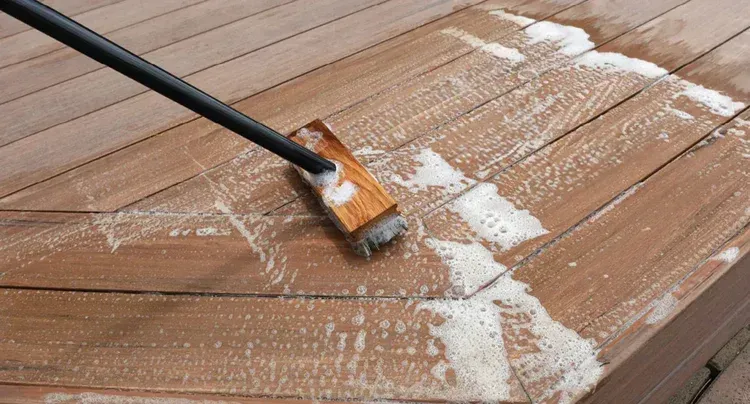
The safest way to clean composite decking is to sweep it first, wash it with warm water and a mild soap, scrub gently with a soft brush, and rinse fully with clean water. For mould or algae, use a cleaner that is safe for composite decking and follow the label carefully.
Here is the simple method:
- Remove furniture, plant pots, mats, and loose items.
- Sweep away leaves, dust, soil, and debris.
- Rinse the decking with low pressure water.
- Apply mild soapy water or a composite safe cleaner.
- Scrub with a soft bristle brush along the board grain.
- Leave the cleaner for the time shown on the label.
- Rinse very well with clean water.
- Let the decking dry before replacing furniture.
This is the basic answer to
how to clean composite decking material without causing damage. The key is to clean gently, rinse properly, and avoid harsh chemicals.
What composite decking material is
Composite decking is usually made from a mix of wood fibres, plastic, and binding materials.
Some boards also have a protective outer layer called a cap. This cap helps protect the board from stains, fading, moisture, and surface marks.
There are two common types:
Capped composite decking
This has a protective outer shell. It is easier to clean and more resistant to staining. Most modern composite decking is capped.
Older uncapped composite decking
This may not have the same protective surface. It can absorb stains more easily and may need more careful cleaning.
Composite decking is not the same as natural wood. You should not treat it like timber decking. Harsh scrubbing, strong bleach, sanding, or high pressure washing can damage the surface. That is why knowing
how to clean composite decking material correctly is important.
Why composite decking material gets dirty
Composite decking may be low maintenance, but it is not maintenance free. Outdoor surfaces are exposed to weather and daily use. Over time, the surface can collect dirt and organic matter.
Common reasons composite decking gets dirty include:
Rain and damp weather
Bradford often has damp conditions. Moisture helps algae and mould grow, especially in shaded gardens.
Leaves and garden waste
Leaves, soil, pollen, and small twigs can sit on the boards. When they become wet, they can leave marks.
Food and drink spills
Grease, wine, coffee, sauces, and soft drinks can stain if left too long.
Bird droppings
Bird mess can mark the surface and should be cleaned quickly.
Plant pots and outdoor furniture
Pots and furniture can trap moisture underneath. This can cause dark rings or green patches.
Poor drainage
If water sits on the deck, dirt and algae can build up faster.
The best way to keep composite decking clean is to remove dirt before it settles. Regular sweeping and light washing can prevent bigger problems.
Safe cleaners for composite decking material
The safest cleaner is usually warm water with mild washing up liquid. This works well for light dirt, dust, and everyday marks.
Safe cleaning options include:
Warm water and mild soap
This is best for routine cleaning. It is gentle and simple.
Composite decking cleaner
Use a product made for composite decking. Always read the label before use.
Oxygen based cleaner
This may help with organic stains, mould, and algae. Make sure it is safe for composite boards.
Soft bristle brush
A soft brush helps lift dirt without scratching the surface.
Microfibre cloth or sponge
Good for spot cleaning small marks and spills.
When learning
how to clean composite decking material, start with the mildest method first.
Stronger cleaning should only be used when light cleaning does not work.
Products you should avoid
Some products can damage composite decking or leave permanent marks. Avoid anything too harsh, too abrasive, or too strong.
Do not use:
Chlorine bleach
Strong bleach can fade the surface and damage the finish. It can also harm nearby plants.
Oven cleaner
This is too harsh for composite decking.
Paint stripper
Paint stripper can damage the surface layer.
Acetone or solvent cleaner
Solvents can affect the protective finish and may leave dull patches.
Wire brush
A wire brush can scratch the boards.
Sandpaper
Sanding can remove the surface layer and change the look of the deck.
Strong acid cleaner
Acidic cleaners can damage the finish and nearby metal fittings.
Undiluted vinegar
Vinegar is sometimes used for outdoor cleaning, but strong vinegar can affect some finishes.
Use only if the decking maker says it is safe.
The safest rule is simple. If a cleaner is not made for composite decking, test it first or avoid it.
How to test a cleaner before using it
Before using any cleaner across the full deck, test it on a small hidden area. This helps you check for colour change, dull marks, or surface damage.
Follow these steps:
- Choose a small hidden area.
- Apply a small amount of cleaner.
- Leave it for the time stated on the label.
- Scrub gently with a soft brush.
- Rinse the area well.
- Let it dry fully.
- Check the colour and finish in daylight.
If the test area looks faded, patchy, sticky, or rough, do not use that cleaner on the full deck.
Testing is a key part of
how to clean composite decking material safely, especially when you do not know the exact brand or age of the boards.
How to clean capped composite decking
Capped composite decking is easier to clean because the surface has a protective layer. Still, it needs gentle care.
Start by clearing the deck. Move chairs, tables, pots, mats, toys, and barbecue items. Sweep the whole area with a soft outdoor broom. Pay attention to gaps between boards because dirt can collect there.
Next, rinse the surface with a garden hose. This removes loose dust and softens dirt. Mix warm water with mild washing up liquid in a bucket. Apply the soapy water to a small section at a time.
Use a soft bristle brush and scrub along the grain of the boards. Do not scrub too hard. The aim is to lift dirt, not scrape the surface. Once you have scrubbed the area, rinse it straight away.
Work in sections so the soap does not dry on the boards. Dried soap can leave streaks or cloudy marks. After the full deck is cleaned, rinse it again with clean water.
Let the deck dry naturally. When dry, check for any marks you may have missed. Clean those spots by hand with a sponge or cloth.
This method is ideal for routine cleaning and is one of the safest answers to
how to clean composite decking material at home.
How to clean older composite decking
Older composite decking may need more care. It may not have a strong capped surface, so stains can sit deeper. The surface may also be more sensitive to rough brushing and strong cleaners.
Start with dry sweeping. Remove as much loose dirt as possible before wet cleaning. This reduces the chance of rubbing grit into the boards.
Use warm water and mild soap first. Scrub gently with a soft brush. Do not use a stiff brush unless the decking maker allows it. Rinse very well.
For dark marks, use a cleaner marked safe for composite decking. Apply it carefully and test first. Do not leave the cleaner on longer than the label says.
Older boards may not become perfect again after years of weathering. A good clean can make them look much better, but deep stains or fading may remain. This is normal for older outdoor surfaces.
If your older deck has heavy algae, black marks, or years of built up grime, professional cleaning may be the safer choice.
Jimmy's External Cleaning Services can assess the condition and clean the decking with the right method for the surface.
How to remove mould, algae, and dark marks
Mould and algae are common on composite decking in damp, shaded areas. They often appear as green patches, black spots, or dark slippery marks.
To remove mould and algae safely:
- Sweep away leaves and loose dirt.
- Wet the area with clean water.
- Apply a composite safe mould and algae cleaner.
- Let it sit for the correct time.
- Scrub gently with a soft brush.
- Rinse fully with clean water.
- Repeat only if needed.
Do not use strong bleach to kill mould. It may lighten the boards and cn damage nearby plants.
A safer cleaner made for outdoor composite surfaces is better.
Dark marks under plant pots are often caused by trapped moisture. Move pots regularly and use pot feet so air can flow underneath. This helps stop mould from returning.
If the deck is slippery, do not ignore it. Algae can make the surface unsafe. Clean it as soon as possible, especially before family gatherings, garden parties, or wet weather.
Knowing
how to clean composite decking material is not only about appearance. It also helps keep the area safer to walk on.
How to rinse composite decking material properly
Rinsing is one of the most important steps. If cleaner is left on the boards, it can cause streaks, sticky areas, or dull patches.
Use clean water from a hose where possible. Rinse from one end of the deck to the other. Push dirty water away from the house and toward drainage.
Make sure you rinse:
The board surface
Remove all soap and cleaner.
The gaps between boards
Dirt and foam can sit in gaps.
Edges and corners
Cleaner often collects around walls, steps, and railings.
Under furniture areas
These spots can hold trapped dirt.
After rinsing, look across the deck from different angles. If you see foam or cloudy water, rinse again.
Poor rinsing is one of the most common mistakes people make when learning
how to clean composite decking material. A clean deck should not feel sticky after drying.
Can pressure washing harm composite decking material?
Yes, pressure washing can harm composite decking if it is done wrongly. Too much pressure can mark the surface, lift the cap, force water into gaps, or leave stripes.
Pressure washing may be safe only when:
- The decking maker allows it.
- The pressure is kept low.
- A wide fan nozzle is used.
- The nozzle is kept away from the surface.
- The water is moved evenly.
- The operator does not focus on one spot.
Never use a narrow jet on composite decking. Do not hold the nozzle close to the boards. Do not blast deep stains aggressively.
For home cleaning, a garden hose and soft brush are often safer. For heavy dirt, algae, and black marks, a professional cleaner can choose the correct pressure and cleaning product.
At
Jimmy's External Cleaning Services, composite decking cleaning in Bradford is carried out with care. The aim is to remove dirt and growth without damaging the boards.
How often should composite decking material be cleaned?
Most composite decking should be cleaned at least twice a year. A good schedule is once in spring and once in autumn.
Spring cleaning removes winter dirt, algae, and damp marks. Autumn cleaning removes leaves, soil, and organic matter before winter.
You may need to clean more often if:
- The deck is shaded.
- Trees hang over the garden.
- The area stays damp.
- Children or pets use the space often.
- You cook or eat outside.
- Plant pots sit on the deck.
- The surface becomes slippery.
Light sweeping once a week can make a big difference. Quick cleaning after spills also helps prevent stains.
The best routine for
how to clean composite decking material
is simple. Sweep often, wash when dirty, and remove stains quickly.
How to protect composite decking after cleaning
After cleaning, a few small habits can keep the deck looking better for longer.
Move plant pots
Do not leave pots in the same place for months. Move them now and then to stop damp rings.
Use pot feet
Pot feet lift containers off the boards and allow air to move.
Clean spills quickly
Food, oil, wine, and sauces should be wiped up fast.
Use furniture pads
Pads under furniture legs can reduce scratches.
Avoid rubber backed mats
Some mats can trap moisture or leave marks. Use breathable outdoor mats if needed.
Keep gaps clear
Blocked gaps stop water draining properly. Clear them with a soft tool.
Trim nearby plants
More sunlight and airflow can reduce mould and algae growth.
Sweep leaves often
Leaves can stain when wet and left for too long.
Protecting the surface after cleaning means less work later. It also helps your garden space stay fresh, clean, and ready to use.
Professional composite decking cleaning in Bradford
If your decking has heavy algae, black marks, old stains, or slippery patches, professional cleaning is the safest option. DIY cleaning can work well for light dirt, but deep grime needs the right method.
Jimmy's External Cleaning Services provides professional external cleaning in Bradford and nearby areas. If you want your composite decking cleaned safely, our team can help restore a cleaner, fresher look without harsh methods.
We help homeowners across Bradford, including areas such as Shipley, Bingley, Keighley, Idle, Queensbury, Thornton, Baildon, Wibsey, Great Horton, and nearby West Yorkshire locations.
Why choose Jimmy's External Cleaning Services?
Local Bradford service
We understand local weather, damp conditions, shaded gardens, and common outdoor cleaning problems in the area.
Safe cleaning approach
We choose methods that suit the surface. Composite decking needs care, not rough treatment.
Better kerb appeal
A clean deck makes your garden look brighter and more welcoming.
Less slip risk
Removing algae and grime can help improve surface safety.
Time saving service
You do not have to spend hours scrubbing, rinsing, and repeating the job.
Professional finish
We clean with the right tools, the right products, and a clear process.
If you are searching for how to clean composite decking material because your deck looks tired, green, or slippery, contact Jimmy's External Cleaning Services today.
Call us today for a fresh, safe, and clean composite decking service in Bradford.
Frequently Asked Questions About How to Clean Composite Decking Material
What is the best way to clean composite decking material?
The best way is to sweep the deck, rinse it with water, wash it with mild soap or a composite safe cleaner, scrub gently with a soft brush, and rinse fully. This is the safest basic method for how to clean composite decking material.
Can I use washing up liquid on composite decking?
Yes, mild washing up liquid mixed with warm water is usually safe for light cleaning. Always rinse well so no soap stays on the boards.
Can I use bleach on composite decking?
Strong chlorine bleach is not recommended. It can fade or damage the surface. Use a composite safe cleaner instead.
Can I pressure wash composite decking?
Pressure washing can be risky if the pressure is too high or the nozzle is too close. If you are unsure, use a hose and soft brush or call a professional.
Should I seal composite decking after cleaning?
Most capped composite decking does not need sealing. Some older boards may have different care needs. Check the maker guidance before applying any sealant.
Who can clean composite decking in Bradford?
Jimmy's External Cleaning Services provides professional composite decking cleaning in Bradford. We clean outdoor surfaces safely and help restore a cleaner look to your garden space.
What is the safest answer to how to clean composite decking material?
The safest answer to how to clean composite decking material is to use warm water, mild soap, a soft brush, and a full rinse. For deeper staining, use a cleaner designed for composite decking or contact Jimmy's External Cleaning Services in Bradford.