Patio Slab Pressure Washing Safety - Protect Bradford Patios
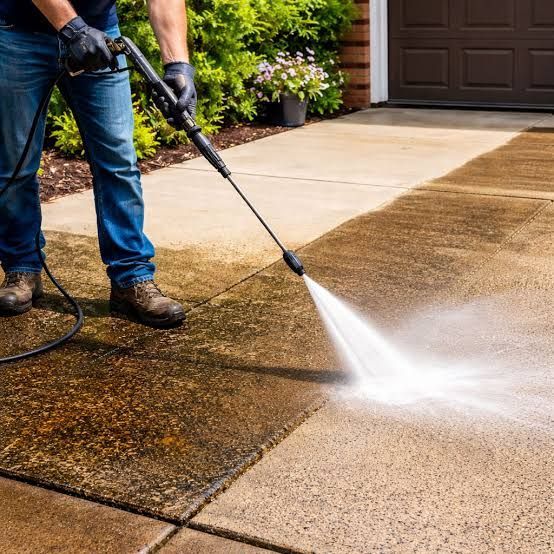
A pressure washer can remove years of dirt from a patio in a relatively short time. It can clear mud, moss, algae and surface grime while helping the original colour of the paving become visible again.
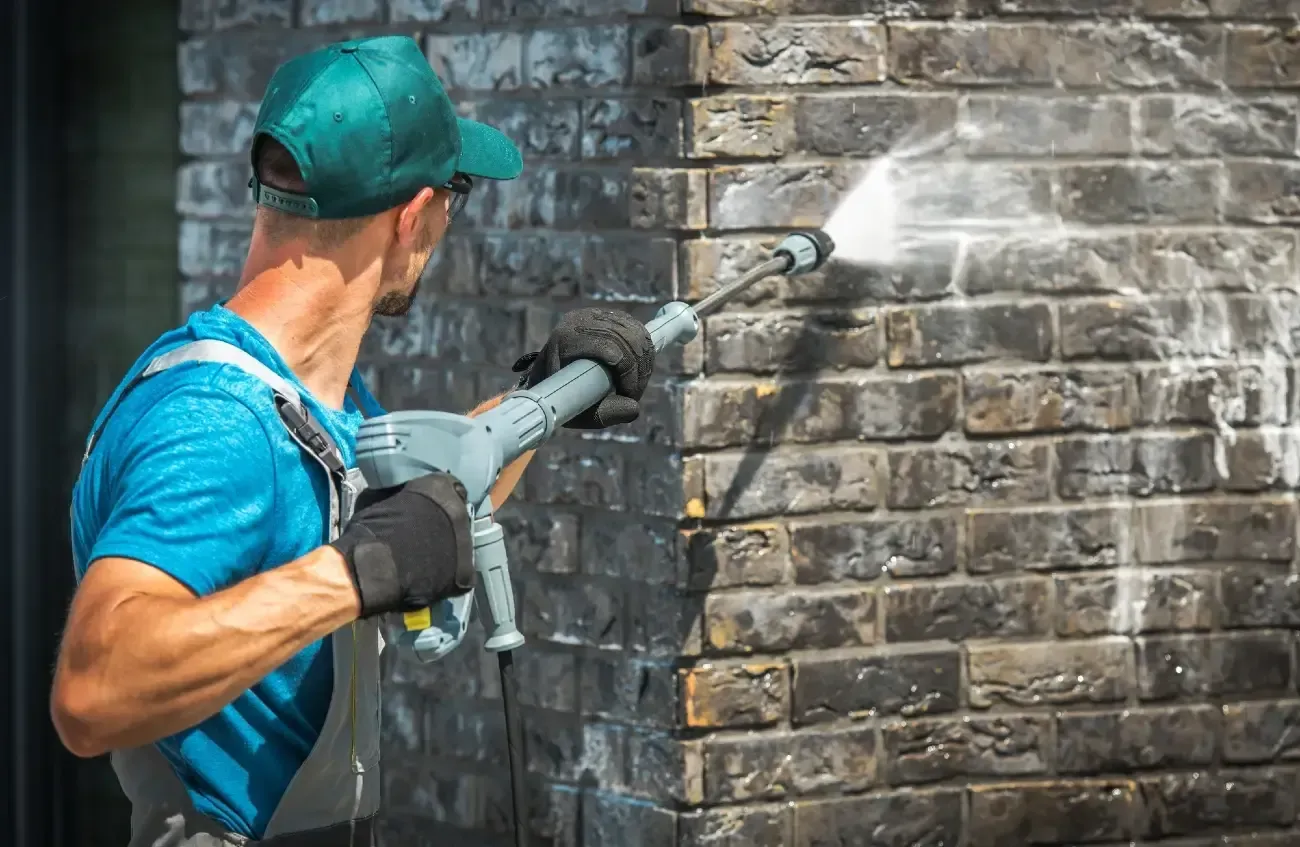
However, pressure washing is not suitable for every patio in the same way. Using excessive force, choosing the wrong nozzle or holding the lance too close can mark the slabs, weaken the pointing and spread dirty water across the garden.
Understanding Patio slab pressure washing safety is especially important for homes in Bradford. Regular rain, shaded gardens and cooler conditions can encourage moss, algae and black spots to grow across outdoor paving. These problems are also common in Shipley, Bingley, Keighley and surrounding areas.
The safest approach is to identify the paving material, inspect its condition and use the lowest effective pressure. A small hidden area should always be tested before the whole patio is cleaned.
This guide explains how to pressure wash patio slabs without damaging the surface, joints, nearby walls or surrounding garden.
Quick Answer
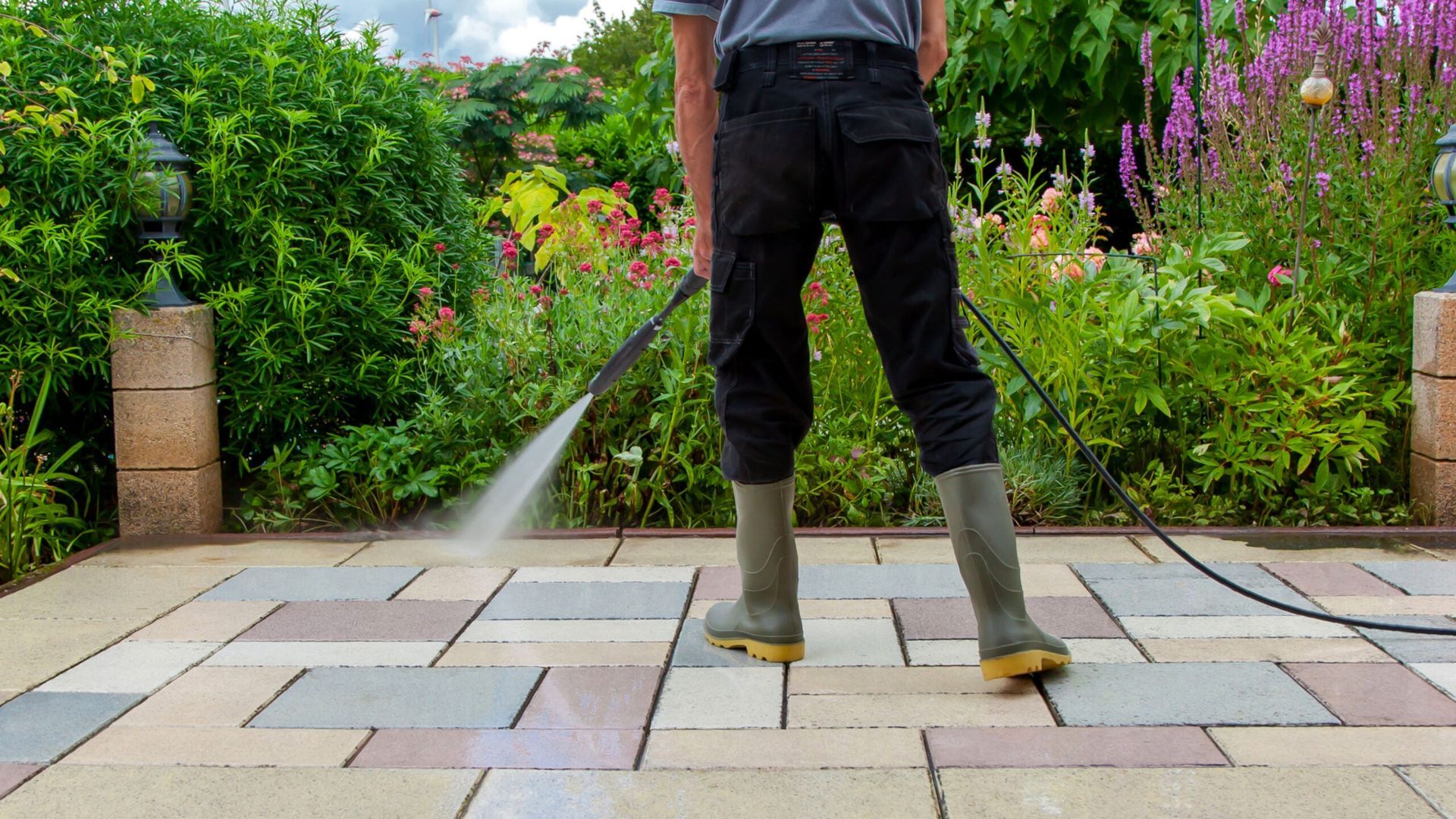
Most sound patio slabs can be pressure washed safely when the correct method is used. Start with a wide fan nozzle, use a low pressure setting and keep the lance moving at a safe distance from the surface.
Never aim a concentrated jet directly into joints, cracks or damaged edges. Inspect the patio first and test a small hidden section before cleaning the full area.
Natural stone, old concrete, loose pointing and damaged paving require greater care. When the material or condition is uncertain, professional patio cleaning in Bradford is usually the safer option.
What Does Patio Slab Pressure Washing Safety Mean?
Patio slab pressure washing safety means cleaning a patio without harming the paving, the person using the equipment or anything surrounding the cleaning area.
Safe pressure washing is not simply about turning the machine on and directing water at the ground. It involves understanding the surface and controlling the force of the water.
A safe cleaning process should protect:
- The face of each patio slab
- The edges and corners of the paving
- Mortar, resin or sand within the joints
- Walls, doors and windows near the patio
- Garden plants and lawn areas
- Outdoor furniture and electrical equipment
- Drainage channels and nearby drains
- The person operating the pressure washer
A patio may look strong, but the surface can still be affected by concentrated pressure. Some slabs are porous, some have a delicate textured finish and others may already have small cracks that are difficult to see.
Safe pressure washing begins before the machine is used. Inspection, preparation and surface testing are just as important as the washing itself.
Can Patio Slabs Be Safely Pressure Washed?
Yes, many patio slabs can be safely pressure washed. The result depends on the material, age, condition and installation of the patio.
Strong concrete paving in good condition can normally handle controlled pressure washing. Porcelain paving is also generally durable, although its edges and joints still require care.
Natural stone needs a more cautious approach. Sandstone, limestone and some softer stones can absorb water and may have delicate surface layers. Excessive force can create visible lines, expose fresh stone or cause thin surface flakes to break away.
The condition of the patio is equally important. Even strong paving may not be safe to pressure wash if it has:
- Loose or missing pointing
- Cracked slabs
- Movement underfoot
- Chipped corners
- Weak surface layers
- Recent repairs that have not fully cured
- Old or damaged sealant
The main rule of
Patio slab pressure washing safety is to treat every patio individually. A setting that works on one surface may damage another.
Why Bradford Patios Need Regular but Careful Cleaning
Bradford receives regular rainfall throughout the year. Outdoor surfaces can remain damp for long periods, particularly in gardens surrounded by walls, trees or neighbouring buildings.
Shade and moisture create favourable conditions for algae and moss. Green growth may first appear close to joints, walls and plant pots. It can then spread across the slabs and make the patio slippery after rain.
Black spots are another common problem. These marks are often associated with organic growth that attaches firmly to porous paving. Indian sandstone patios are particularly likely to develop black spotting when they remain damp and shaded.
Homes in Shipley may have patios close to mature trees or dense planting. Properties in Bingley and Keighley can also have gardens affected by shade, falling leaves and damp weather.
Central Bradford patios may collect pollution, dust and general grime alongside natural growth.
Regular cleaning helps control these problems. However, aggressive washing can create new damage, so the cleaning method must suit both the paving material and its current condition.
Which Patio Slab Materials Can Handle Pressure Washing?
Different paving materials respond differently to pressure, water and cleaning products. Correct identification is an important part of Patio slab pressure washing safety.
Concrete Paving Slabs
Concrete slabs are common around Bradford homes. Sound concrete paving can usually be pressure washed with a wide fan nozzle and controlled pressure.
Older concrete may be more fragile. The surface can become weathered over time, exposing small stones within the slab. Strong pressure can make this surface loss worse.
Decorative concrete also needs care because excessive washing may affect its colour or textured finish.
Indian Sandstone
Indian sandstone is attractive but porous. Its natural colour, texture and variation make it popular for patios, but these same features mean it should be cleaned carefully.
A narrow jet can leave visible marks or remove a thin surface layer. The pressure should remain low, and the nozzle should stay at a safe distance.
Limestone
Limestone is often softer and more sensitive than concrete. Strong pressure can roughen the surface and affect its appearance.
Acid based products should not be used on limestone because they can react with the stone. A suitable stone cleaner and a gentle washing method are safer choices.
Porcelain Paving
Porcelain paving has low water absorption and a strong surface. It can generally handle careful pressure washing, but the joints and exposed edges may still be vulnerable.
The nozzle should not be directed beneath the edge of a slab because water may disturb the bedding material or pointing.
Slate
Slate can have natural layers. Excessive pressure may encourage these layers to separate, particularly when the stone is old or already damaged.
A wide fan nozzle, low pressure and a test area are essential.
Block Paving
Block paving can normally handle controlled pressure washing, but the jointing sand may be removed during cleaning. Fresh kiln dried sand may need to be applied after the surface has dried.
Old or Unknown Paving
Unknown paving should always be treated as a delicate surface. Start with hand cleaning or the lowest pressure setting.
A local patio cleaning specialist can identify many paving materials and choose a suitable method before beginning the work.
How Should You Inspect Patio Slabs Before Cleaning?
A careful inspection can prevent avoidable damage. Walk slowly across the whole patio before connecting the pressure washer.
Begin by checking whether any slabs move underfoot. Movement may suggest that the bedding beneath the paving has weakened or that water has entered the base.
Look closely for cracks, chips and thin surface flakes. Small defects can become larger when hit by concentrated water.
Inspect the joints between the slabs. Pointing that looks sandy, cracked, hollow or loose may be removed during pressure washing. Make a note of these sections so the water can be directed away from them.
You should also check for old sealant. A patchy or peeling coating may react differently across the patio. Pressure washing might remove some sections while leaving others behind, creating an uneven appearance.
Other warning signs include:
- White powder or deposits on the surface
- Areas that sound hollow when gently tapped
- Previously repaired cracks
- Sunken slabs where water collects
- Loose edges beside flower beds
- Deep black spots within porous stone
If several problems are present, do not begin with strong pressure. Ask an experienced company to assess the patio first.
A proper inspection supports
Patio slab pressure washing safety by identifying vulnerable areas before damage occurs.
Prepare the Patio Before Pressure Washing
Preparation helps the cleaning process produce a more even result.
Remove garden furniture, plant pots, toys, barbecues and decorative items. Sweep the whole surface to collect leaves, soil, stones and loose dirt.
Pull out large weeds by hand where possible. Do not rely on the pressure washer to cut weeds away because the jet may disturb the jointing material.
Cover outdoor electrical sockets and move extension leads away from wet areas. Make sure doors and windows are fully closed.
Check where dirty water will flow. Leaves, moss and displaced soil should not be pushed directly into drains because they can cause blockages. Collect solid waste before rinsing the patio.
Nearby plants should be watered with clean water before any detergent is applied. Damp leaves and soil are less likely to absorb cleaning chemicals.
What Pressure Setting Should Be Used?
There is no single pressure setting that is safe for every patio. Machine power, water flow, nozzle shape, cleaning distance and paving material all affect the force reaching the surface.
Start with the lowest available setting. Test it on a hidden corner and increase the pressure slowly only when the dirt is not being removed.
A lower setting with a suitable cleaning solution is often safer than using water pressure alone. Giving the product time to loosen organic dirt can reduce the amount of force required.
The distance between the nozzle and the paving also matters. Starting further away gives you more control. The nozzle can be moved slightly closer when necessary, but it should never be placed directly against the slab.
Watch the test area carefully. Stop immediately if you notice:
- A change in surface texture
- A pale or dark line
- Small pieces breaking away
- Sand or mortar leaving the joints
- Water entering beneath a loose slab
- A patch becoming rougher than the surrounding paving
The purpose of
Patio slab pressure washing safety is to find the lowest force that produces an effective and even clean.
Which Nozzle is Safest for Patio Slabs?
A wide fan nozzle is normally the safest choice for patio slabs. A fan nozzle spreads the water across a larger area, reducing the concentration of force at one point.
A 25 degree or 40 degree fan nozzle is commonly used for general surface cleaning. The wider option is often better for the first test, natural stone and older paving.
A zero degree nozzle produces a very narrow and powerful stream. It can cut into pointing, mark stone and create permanent cleaning lines. It should not be used for routine patio slab cleaning.
A rotating nozzle can remove stubborn dirt quickly, but it can also be too aggressive for delicate slabs. It should only be used when the paving material and condition are known to be suitable.
Surface cleaning attachments can give an even finish on large, strong patios. However, they still need the correct pressure and should not be used over loose joints or damaged stone.
Keep the Lance Moving Evenly
Holding the water jet in one place is one of the fastest ways to damage a patio.
Move the lance in smooth, controlled passes. Each pass should slightly overlap the previous section so the surface is cleaned evenly.
Try to maintain the same distance and angle across the whole patio. Moving closer in one area and further away in another can create visible lines or patchy colour.
Work from the area closest to the house towards a suitable drainage point. This prevents dirty water from being washed back over sections that have already been cleaned.
Do not rush. Slow, even movement provides greater control than quick and irregular spraying.
How Can Pressure Washing Damage Patio Joints?
Patio joints help support the paving and reduce movement between the slabs. Damaged joints can allow water, weeds and soil to enter the gaps.
A concentrated jet directed into the joint can remove mortar, resin compound or jointing sand. Once a small amount has been removed, the remaining material may loosen more quickly.
Water can also enter beneath the paving through an open joint. This may disturb the bedding material and contribute to movement or sinking over time.
To protect the joints:
- Aim the water across the slabs rather than directly down into the gaps
- Use lower pressure near joint lines
- Keep the nozzle further from weak pointing
- Avoid repeatedly cleaning the same joint
- Allow damaged pointing to be repaired after cleaning
Block paving normally needs fresh jointing sand after deep pressure washing. Traditional patio slabs may need repointing if the original mortar is already loose.
The condition of the joints should always be considered when planning
Patio slab pressure washing safety.
How Should Indian Sandstone Be Cleaned?
Indian sandstone should be cleaned using a gentle and controlled process.
Begin by sweeping the surface and applying a suitable cleaner for natural stone. The product should be allowed time to loosen algae, dirt and organic marks, but it should not be allowed to dry on the paving.
Use a stiff but non metallic brush to work the cleaner into dirty areas. This reduces the amount of pressure required during rinsing.
Select a wide fan nozzle and begin at a safe distance. Keep the pressure low and move the lance evenly across the stone.
Do not focus the jet on natural grooves, edges or thin layers within the sandstone. These areas may be more vulnerable to surface loss.
Strong acid products should be avoided. They may affect the colour, mineral content and surface finish of natural stone.
Black spots may not disappear with pressure washing alone. Specialist treatment may be required to break down the organic growth without relying on excessive force.
For more information about caring for paving materials, read the paving slab cleaning guide.
Is Pressure Washing Safe for Indian Sandstone?
Yes, pressure washing can be safe for Indian sandstone when low pressure, a wide nozzle and a suitable cleaning distance are used.
The stone should be inspected first because weathered or flaking sandstone can be damaged even at a moderate setting.
Always test a small hidden section. Stop if the surface becomes rough, pale or uneven.
Professional cleaning is recommended when the patio has heavy black spots, weak pointing, damaged stone or an unknown previous treatment.
Can Porcelain Paving Be Pressure Washed?
Porcelain paving can generally be pressure washed because it has a dense and durable surface. It also absorbs less water than many natural stones.
However, Patio slab pressure washing safety still matters. The grout, mortar or jointing compound between porcelain slabs may be less durable than the slabs themselves.
Use a wide fan nozzle and keep the lance moving. Avoid directing water beneath slab edges or into open joints.
Textured porcelain can hold dirt within its surface pattern. A suitable cleaner and brushing may remove this dirt more safely than increasing the pressure.
After washing, rinse thoroughly so that no detergent remains within textured areas.
How Do You Protect Plants, Walls, Doors and Windows?
Pressure washing can spread water, grit and cleaning solution beyond the patio. Surrounding areas should be prepared before work begins.
Move small plant pots away from the cleaning zone. Water nearby plants and soil with clean water before applying detergent. Rinse them again after the patio has been cleaned.
Delicate plants can be temporarily covered, but the cover should not trap heat or remain in place longer than necessary.
Keep the spray away from painted walls, timber fences and old brickwork. Water can enter cracks, damage loose paint or leave dirty marks on surrounding surfaces.
Close doors and windows securely. Place absorbent towels near low door thresholds where necessary.
Never aim the pressure washer at outdoor sockets, lights, cables, air vents or security equipment.
Dirty water should be controlled so that it does not enter ponds, flower beds or neighbouring gardens.
Should Detergent Be Used Before Pressure Washing?
A suitable detergent can make patio cleaning safer and more effective. It loosens organic growth and surface dirt, reducing the amount of water pressure needed.
The product must be compatible with the paving material. A cleaner made for concrete may not be suitable for sandstone, limestone or porcelain.
Read the product instructions carefully. Check the recommended dilution, application method and contact time.
Apply the cleaner evenly and prevent it from drying on the surface. Work in manageable sections during warm or windy weather.
Do not mix different cleaning products. Chemical mixtures can damage paving, harm plants and create dangerous fumes.
Rinse the patio thoroughly after cleaning. Residue can leave marks, attract dirt or make the surface slippery.
When the paving type is unknown, use a mild product or seek professional advice before applying a stronger treatment.
What Are the Most Common Patio Cleaning Mistakes?
Using the Highest Setting Immediately
More pressure does not always produce a better clean. It often increases the risk of surface damage and joint loss.
Begin low and increase slowly only when required.
Holding the Nozzle Too Close
A nozzle held close to the paving concentrates the force. This can leave lines, chips or rough patches.
Start further away and move closer carefully during the test.
Using a Narrow Jet
A narrow jet may remove dirt quickly, but it can also cut into stone and mortar. A fan nozzle gives better control.
Ignoring Loose Pointing
Pressure washing weak joints can remove large sections of material. Inspect and mark damaged areas before cleaning.
Cleaning Without Testing
Even when the material appears strong, a hidden test should be completed first. This shows how the slab, colour and surface finish respond.
Using Excessive Pressure on Black Spots
Black spots can remain attached even after general dirt has been removed. Increasing the pressure may damage the stone without removing the growth completely.
A specialist treatment is usually more effective.
Allowing Detergent to Dry
Dried cleaner can leave streaks and patches. Work in smaller areas and rinse within the recommended time.
Washing Dirt Into the Drain
Leaves, moss and soil can block drainage systems. Remove solid waste before final rinsing.
Cleaning During Poor Weather
Heavy rain dilutes cleaning products and makes it difficult to control dirty water. Strong sunlight may dry detergent too quickly. Freezing weather can create dangerous ice and may affect wet paving.
Ignoring Personal Safety
Pressure washers can cause injury. Wear sturdy footwear, eye protection and suitable clothing. Keep children and pets away from the working area.
Avoid using the machine from a ladder or unstable step.
Preventing these mistakes is a central part of
Patio slab pressure washing safety.
What Should Be Done After Pressure Washing?
Allow the patio to dry fully before deciding whether additional work is needed. Wet paving often looks darker, so marks and uneven cleaning may not become visible until the next dry day.
Inspect the joints once the surface is dry. Replace missing jointing sand or arrange repointing where mortar has broken away.
Collect any remaining debris from corners, drainage channels and garden edges.
Move furniture back only after the patio is clean and dry. Placing metal furniture onto wet paving may increase the risk of rust marks.
This is also a good time to check drainage. Water should move away from the property rather than collecting beside walls or doors.
Regular sweeping will help the patio stay cleaner. Remove wet leaves quickly and move plant pots occasionally so moisture does not remain trapped underneath them.
Homes with shaded patios may benefit from a suitable preventative treatment that slows the return of moss and algae.
Should Patio Slabs Be Sealed After Cleaning?
Sealing may help protect some paving materials from water absorption, stains and organic growth. It can also make future maintenance easier.
However, not every patio needs sealing and not every product is suitable for every slab.
The surface must be completely clean and dry before sealer is applied. Trapped moisture or dirt can create cloudy patches and an uneven finish.
Natural stone requires a breathable sealer designed for that specific material. Porcelain may not need sealing, although some jointing materials may benefit from separate protection.
Old sealant should be assessed before a new coating is applied. Applying one product over an incompatible coating can lead to peeling or discolouration.
Read this patio cleaning and sealing guide before deciding whether sealing is appropriate.
How Often Should Bradford Patio Slabs Be Cleaned?
There is no fixed schedule for every patio. Cleaning frequency depends on shade, drainage, surrounding trees, surface material and how often the area is used.
A sunny patio with good drainage may only require occasional deep cleaning. A shaded patio near trees may develop green algae within a few months.
Most homeowners should inspect their paving during spring and autumn. Sweep regularly and deal with moss or algae before it covers a large area.
Many Bradford patios benefit from professional cleaning every 12 to 18 months. Patios affected by heavy shade, poor drainage or frequent leaf fall may need attention sooner.
Regular maintenance reduces the need for aggressive pressure washing and helps protect the paving over time.
Can Pressure Washing Break Patio Slabs?
Pressure washing does not normally break a sound and correctly installed slab. However, it can make existing damage worse.
A cracked, thin or unsupported slab may chip when hit by concentrated water. Pressure can also enter beneath loose edges and disturb weak bedding material.
Inspect the patio first and avoid pressure washing slabs that move underfoot. Damaged paving should be repaired or assessed before deep cleaning begins.
Does Pressure Washing Remove Jointing Sand?
Yes, pressure washing can remove jointing sand from block paving and some patio joints.
The amount removed depends on the nozzle, pressure, distance and condition of the sand. Directing water into the gaps will remove more material.
After the paving has dried, fresh kiln dried sand may need to be brushed into suitable joints. Mortared joints should be repaired using an appropriate pointing material.
What Patio Slabs Should Not Be Pressure Washed?
Avoid pressure washing slabs that are badly cracked, loose, flaking or moving underfoot.
Very soft natural stone, damaged slate, weak limestone and paving with a failing surface coating may also be unsuitable for standard pressure washing.
Recently laid patios should not be cleaned until the bedding and jointing materials have fully cured.
When the paving material or condition is uncertain, begin with hand cleaning or arrange a professional inspection.
How Often Should Patio Slabs Be Professionally Cleaned?
Many patios benefit from professional cleaning once a year or every 12 to 18 months. The correct timing depends on local conditions.
A shaded Bradford garden with heavy moss may require annual attention. A sunny patio with good drainage may remain clean for longer.
Professional cleaning should be considered sooner when the paving becomes slippery, develops widespread black spots or has stains that normal brushing cannot remove.
When Should a Bradford Homeowner Call a Professional?
Professional help is sensible when there is a high risk of damage or when home cleaning has not produced an even result.
Contact an experienced patio cleaner when:
- You cannot identify the paving material
- The patio has loose or missing pointing
- Several slabs are cracked or moving
- Indian sandstone is heavily covered in black spots
- The surface has old or patchy sealant
- The garden has delicate plants close to the patio
- Access and drainage are difficult
- The area is large or extremely slippery
- Previous pressure washing has left visible lines
- You are unsure which cleaner or pressure setting to use
Jimmy's External Cleaning Services provides professional patio cleaning across Bradford, Shipley, Bingley, Keighley and nearby areas. The team can assess the surface, choose a suitable cleaning method and adjust the pressure according to the material and condition of the patio.
Professional equipment also allows the surface to be cleaned more evenly. Suitable treatments can target algae and black spots without depending only on water pressure.
Homeowners can send photographs and measurements to receive an initial idea of the work required.
Jimmy's External Cleaning Services can also help with paving stone cleaning, patio maintenance and driveway cleaning in Bradford.
Final Advice on Patio Slab Pressure Washing Safety
Pressure washing can restore a patio, improve its appearance and remove slippery organic growth. The key is to clean with control rather than relying on maximum power.
Successful Patio slab pressure washing safety begins with identifying the material and inspecting the surface. Use a wide fan nozzle, start at the lowest effective pressure and test a small hidden area.
Protect the joints, keep the lance moving and avoid directing water beneath slab edges. Use only cleaning products that are suitable for the paving material and protect nearby plants before treatment.
Bradford's damp conditions can make patio maintenance challenging, especially in shaded gardens. Regular sweeping, early algae treatment and careful deep cleaning can prevent dirt from becoming harder to manage.
When the slabs are delicate, damaged or heavily stained, Jimmy's External Cleaning Services offers a reliable local solution. Professional assessment reduces the risk of marking the stone, removing sound pointing or using an unsuitable chemical.
For safe patio cleaning in Bradford, call
Jimmy's External Cleaning Services on 01274 003022 or send photographs and measurements for a free provisional quote.