How to Clean Armchair Upholstery
An armchair should always be cleaned according to its fabric, age and condition. The head area, arms and seat usually collect the most body oils, dust, food marks and everyday dirt. Learning how to clean armchair upholstery correctly helps protect the fabric, improve comfort and make the chair look fresh again.
The wrong product or too much water can cause colour fading, water marks, shrinkage or damage to the inner padding. This guide explains safe
armchair cleaning methods for homes in Bradford and nearby areas. It also explains when it is better to contact Jimmy’s External Cleaning Services for professional upholstery care.
How to Clean Armchair Upholstery
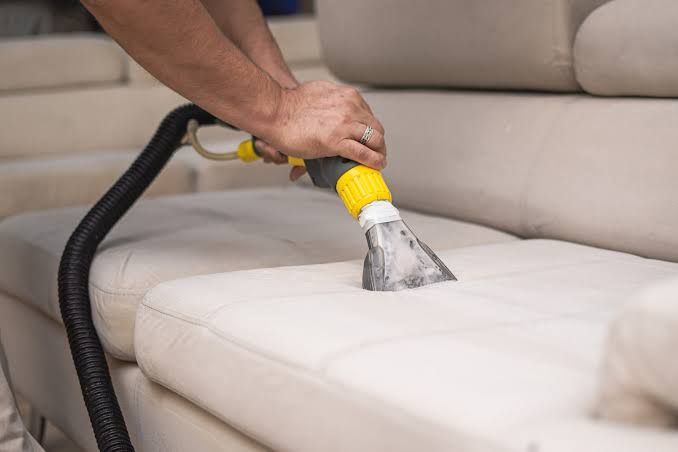
The safest method is to inspect the fabric, check the care label, remove loose dirt, vacuum carefully and test a suitable cleaning product on a hidden area. Work slowly from the cleanest section to the dirtiest section and avoid soaking the chair.
A simple cleaning routine includes:
- Check the fabric and care instructions.
- Remove cushions if possible.
- Vacuum dust from every surface.
- Treat marks according to the type of stain.
- Clean small sections with controlled moisture.
- Dry the armchair fully before using it.
This approach is suitable for many fabric armchairs, but delicate velvet, silk, antique fabrics and badly damaged upholstery may require professional attention.
Inspect the Fabric and Condition
Before deciding how to clean armchair upholstery, inspect the whole chair in good light. Look for loose seams, worn areas, faded patches, frayed piping, damaged buttons and stains that have already been treated.
Check whether the fabric feels smooth, rough, loose or sticky. Some old fabrics may become weaker over time. If the material is already thinning, strong brushing can make the damage worse.
Also check underneath the cushions and around the back of the chair. Dust, crumbs, pet hair and small objects often collect in these hidden areas. A complete inspection helps you choose a safer cleaning method.
If the armchair has a strong smell, mould, damp padding or visible insect activity, avoid using household sprays before getting advice. Moisture can spread the problem deeper into the chair.
Check the Care Instructions
Most upholstered furniture has a care label underneath the seat or frame. These labels often use cleaning codes such as:
- W means water based products may be suitable.
- S means a solvent based product may be required.
- WS means water based or solvent based cleaning may be possible.
- X means vacuuming or professional cleaning only.
The label is a useful starting point, but it does not replace a patch test. Even two chairs made from similar fabric can react differently because of age, dye, previous cleaning or wear.
If the label is missing, treat the fabric as delicate. Use gentle vacuuming and a professional upholstery cleaning service when you are unsure.
You can learn more about the materials used in upholstered furniture through this Wikipedia guide to
upholstery.
Remove Cushions Where Possible
Removable cushions are easier to clean because you can reach the sides, underside and areas around the seams. Remove them carefully and check whether the covers can be taken off.
Do not put a cushion cover into a washing machine unless the manufacturer clearly allows it.
Covers can shrink, lose their shape or become difficult to refit.
Place cushions on a clean sheet while you work. Keep track of which cushion belongs on each part of the chair, especially if the cushions have different shapes or fillings.
For fixed cushions, lift the front edge gently and vacuum into the gap. Do not pull hard on the fabric or stitching.
Vacuum the Whole Armchair
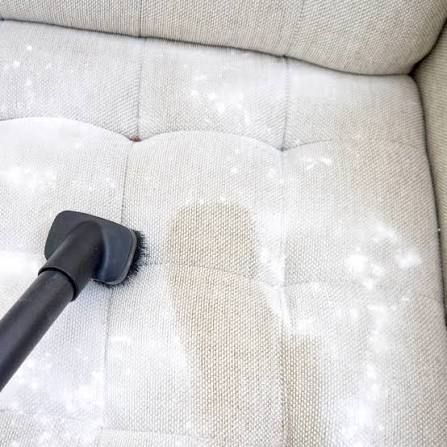
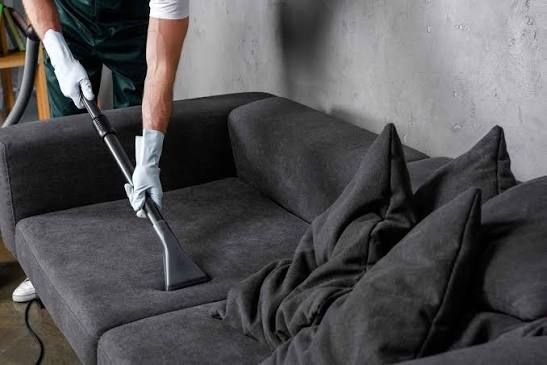
Vacuuming is one of the most important steps in how to clean armchair upholstery. Loose dirt should be removed before any liquid or cleaning solution is applied.
Use an upholstery attachment and work slowly over:
- The seat
- The back
- The arms
- The head area
- The sides
- The underside of removable cushions
- Gaps around piping and buttons
Use a soft brush attachment on delicate fabric. Avoid pressing the vacuum nozzle directly against the material because strong suction can pull threads or leave marks.
For pet hair, use a fabric safe rubber brush or a lint roller before vacuuming. Do not scrape the fabric with a sharp object.
Cleaning the Head Area
The head area often becomes darker because it receives regular contact with hair, skin oils and hair products. It may also collect dust from the wall behind the chair.
Start by vacuuming the head area carefully. If the fabric allows water based cleaning, prepare a small amount of mild upholstery solution according to the product instructions.
Dampen a clean white cloth. Do not pour liquid directly onto the chair. Gently dab the fabric rather than rubbing it. Work from the outer edge of the mark towards the centre to reduce the risk of spreading it.
Use a separate dry towel to remove extra moisture. Allow the area to dry naturally with good airflow.
For a delicate fabric, stop after vacuuming and contact Jimmy’s External Cleaning Services for advice. A professional cleaner can identify the material and select a suitable method.
Cleaning Armrests
Armrests become dirty quickly because people touch them repeatedly. Sweat, hand cream, food oils and dust can create a dark, greasy appearance.
This is one of the most important areas when considering how to clean armchair upholstery.
Vacuum the armrests first. Then test the cleaning product on a hidden section underneath or behind the chair.
Use a lightly damp cloth and gentle movements. Avoid heavy scrubbing, as this can flatten the pile or create a lighter patch.
Clean both arms even if only one looks dirty. Cleaning one arm alone can leave an uneven finish.
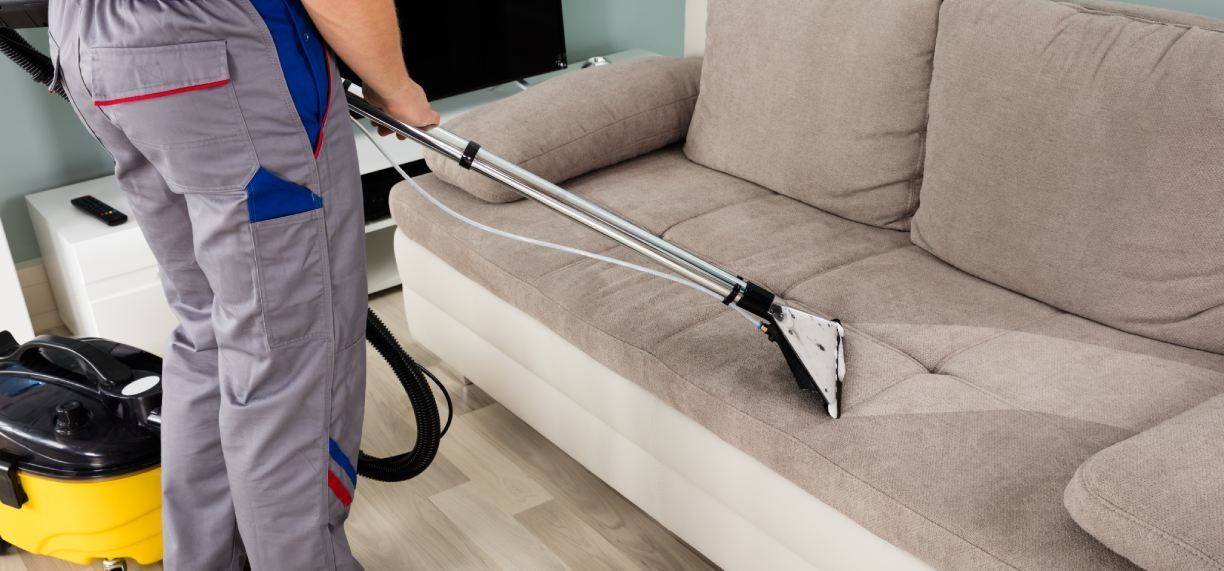
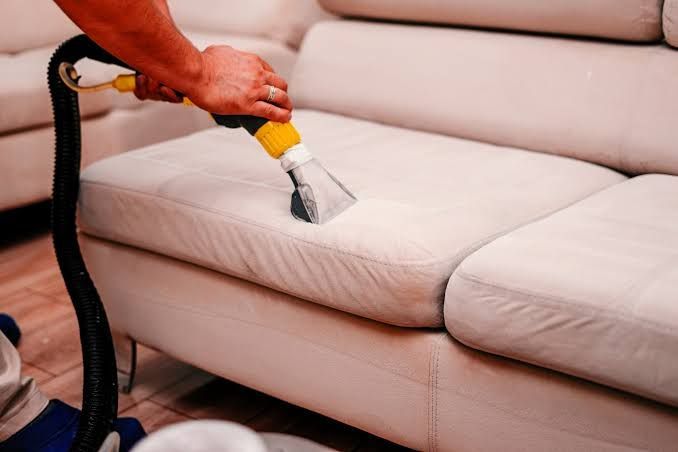
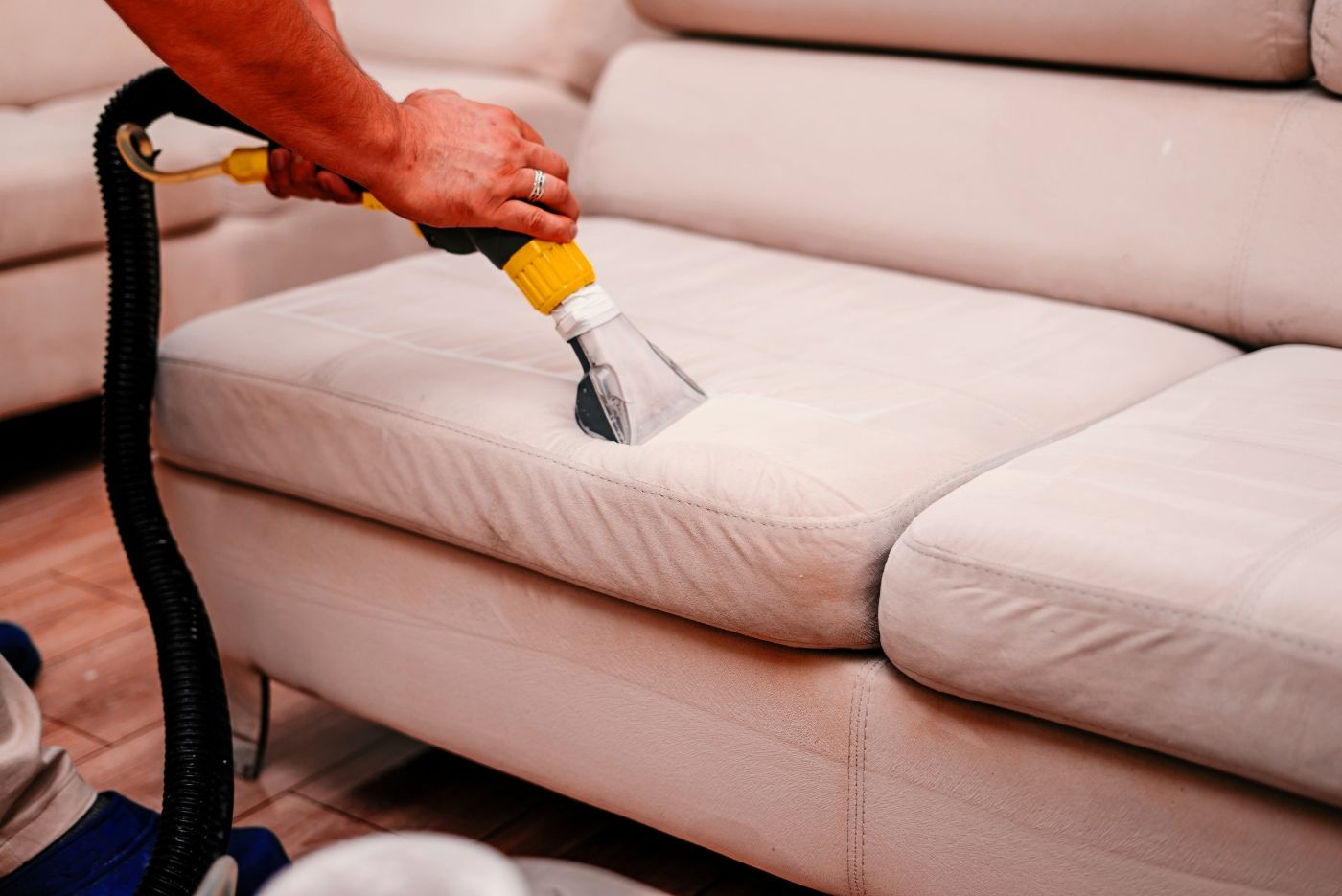
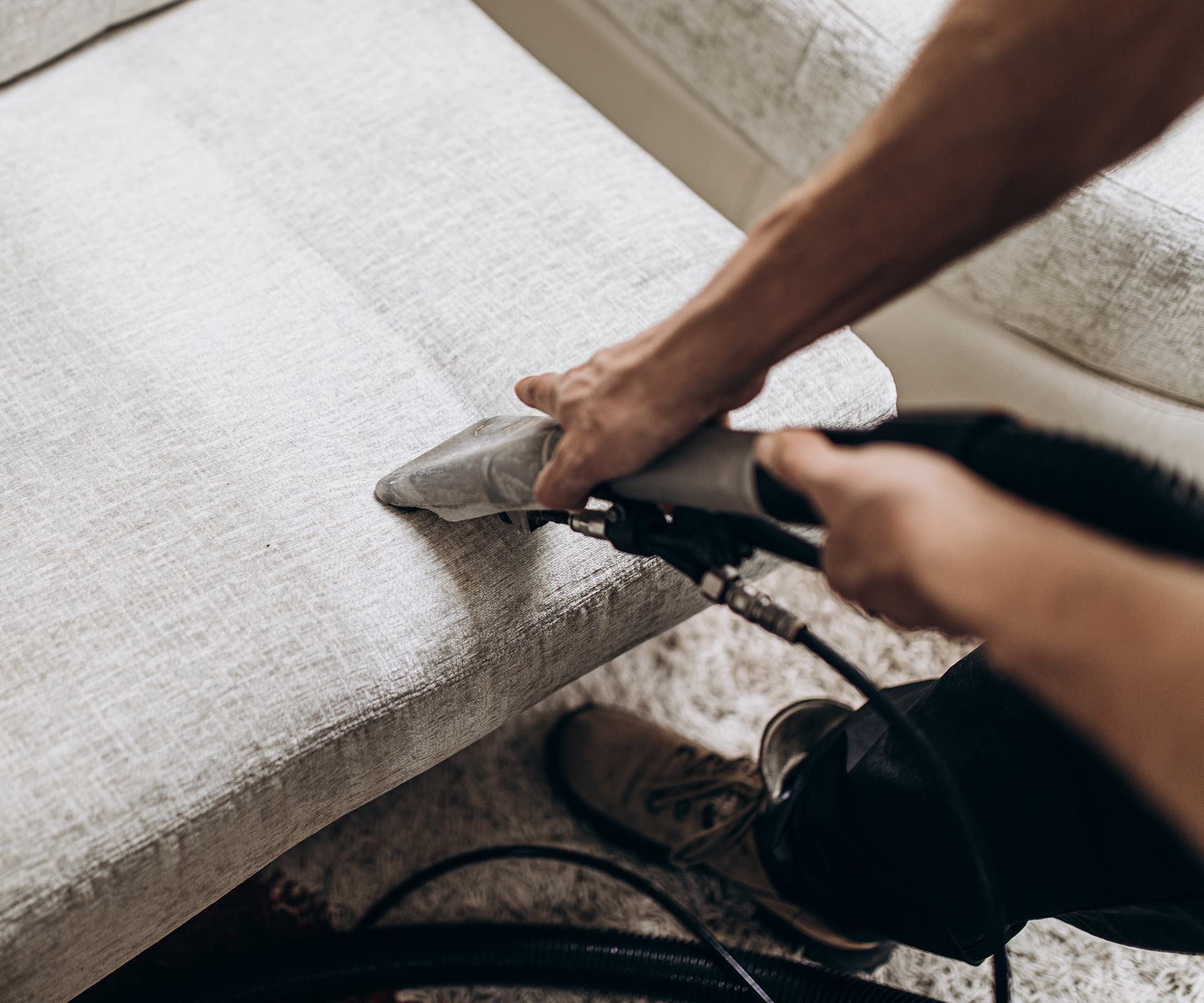
If the arms are heavily marked, professional extraction cleaning may be more effective than repeated home treatments.
Cleaning the Seat Cushion
The seat usually receives the greatest amount of pressure and contact. It may contain crumbs, dust, sweat, body oils and drink marks.
Remove the cushion if possible and vacuum both sides. Pay attention to the front edge, where dirt often gathers. For a removable cover, check the care instructions before washing.
Treat fresh spills quickly by blotting with a dry white towel. Avoid rubbing, as rubbing pushes the liquid deeper into the fibres.
For general fabric cleaning, use a small amount of suitable solution on a cloth. Clean in a consistent direction and avoid creating a very wet circle around the stain.
If the seat has a strong smell or feels damp inside, the padding may need deeper cleaning. Professional upholstery equipment can remove moisture and dirt more effectively.
Cleaning the Back of the Armchair
The back may appear cleaner than the seat, but it can still hold dust, hair and airborne particles.
Vacuum from the top down and use the brush attachment around seams.
If the chair sits against a wall, leave a small gap where possible. This allows air to move and reduces dust collection. Check the lower back because shoes, bags and clothing can rub against it.
When cleaning the back, avoid leaning heavily on the chair while it is damp. Pressure can leave temporary marks or change the shape of the padding.
Cleaning Around Piping and Buttons
Piping, seams and buttons create small gaps where dirt can hide. Use a soft brush or a narrow vacuum tool to remove dry debris.
Never pull at loose piping. If you notice damaged stitching, deal with the repair before deep cleaning. Water and brushing can make an existing tear larger.
Use a cotton bud or soft cloth for small areas, but avoid pushing wet material into button holes.
Excess moisture can remain inside the padding and cause an unpleasant smell.
Removing Food and Drink Marks
Fresh food and drink stains are easier to remove than old marks. Remove solid food with the edge of a spoon. Do not scrape aggressively.
Blot tea, coffee, juice and milk with a clean towel. Continue blotting until the towel stops picking up moisture. Avoid using hot water on unknown fabrics because heat can set some stains.
Greasy food marks may need a fabric safe cleaning product. Always follow the label and test first. Never mix different cleaning chemicals.
For old or large stains, repeated home cleaning can create a ring or faded patch. A professional cleaner can treat the complete section so the finish looks more even.
Treating Body Oil and Everyday Grime
Dark armrests and head areas are often caused by body oils rather than one single stain. This grime can build up slowly and may not respond to ordinary household sprays.
Vacuuming removes dry dirt, but it will not remove oils trapped inside the fibres. A suitable upholstery cleaning process is usually needed.
Do not use washing up liquid, bleach or strong kitchen degreasers on fabric. These products may leave residue, damage colour or weaken the fibres.
For valuable or light coloured furniture, professional
fabric armchair cleaning is often the safest option. Jimmy’s External Cleaning Services can assess the material and recommend an appropriate treatment.
How to Avoid Uneven Cleaning
Uneven cleaning is a common problem when only one mark or one arm is treated. The cleaned patch may look lighter than the rest of the chair.
To reduce this risk:
- Clean complete panels where practical.
- Use the same amount of moisture across the section.
- Avoid soaking one small area.
- Blend gently into surrounding fabric.
- Use clean cloths as soon as they become dirty.
- Let the entire section dry before judging the result.
Do not rush the drying process with a very hot hairdryer. Strong heat can damage fibres, shrink fabric or leave a hard area.
Drying an Armchair Correctly
Correct drying is an essential part of how to clean armchair upholstery. Open windows where possible and use fans to improve air movement. Keep the chair away from direct heat and strong sunlight.
Do not sit on the armchair until it is fully dry. Pressure can trap moisture inside the seat and create new marks.
Removable cushions should be dried upright or placed so air can reach both sides. Turn them carefully during drying, but do not bend them sharply.
If the chair remains damp after several hours, contact a professional. Hidden moisture can cause odours and may damage the internal padding.
Cleaning Recliner Armchairs
Recliner armchairs require extra care because they contain moving parts, levers, motors and electrical components.
Unplug an electric recliner before cleaning. Vacuum around the mechanism without pushing the tool into moving parts. Never spray liquid near switches, cables, controls or motors.
Move the recliner slowly through its positions so you can inspect the footrest and side sections. Keep fingers, cloths and cleaning tools away from the mechanism.
The footrest often collects food crumbs, pet hair and dirt. Vacuum it carefully and use only a small amount of moisture on the upholstery.
For expensive electric recliners, professional cleaning is strongly recommended. A trained cleaner can protect the mechanism while treating the fabric.
When an Armchair Needs Professional Attention
Home cleaning may not be suitable when:
- The care label says professional cleaning only.
- The fabric is velvet, silk, antique or highly delicate.
- There are large water marks.
- The chair has deep grease marks.
- The padding smells damp.
- Mould is visible.
- The fabric is badly faded or damaged.
- The chair has been cleaned several times without success.
- The armchair is part of a matching suite.
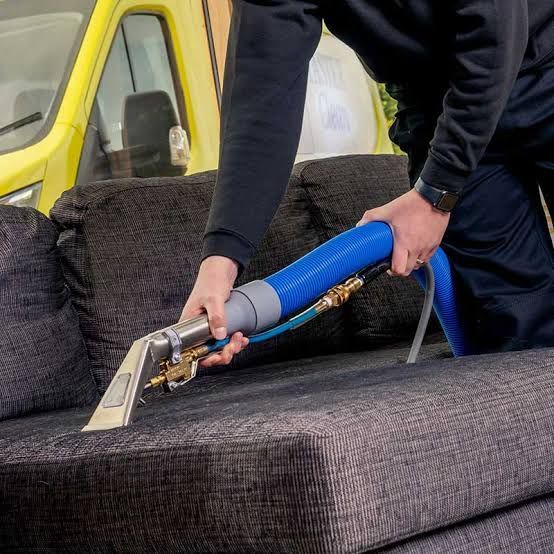
Professional upholstered armchair care helps reduce the risk of shrinking, colour bleeding and uneven results. Experts can also use controlled extraction methods to remove deeper dirt while limiting drying time.
Jimmy’s External Cleaning Services provides upholstery cleaning support across Bradford. The team can help with armchairs, sofas, dining chairs and other fabric furniture.
Armchair Cleaning in Bradford
Homes and businesses in Bradford experience dust, rain, mud and regular indoor traffic throughout the year. These conditions can affect armchairs, especially in busy living rooms, offices, waiting areas and rental properties.
Jimmy’s External Cleaning Services offers a practical solution for customers who need reliable armchair cleaning in Bradford. Professional treatment can refresh tired upholstery, improve the appearance of high contact areas and help extend the useful life of your furniture.
The company also provides other exterior and property cleaning services, including:
- Upholstery cleaning in Bradford
- Carpet cleaning in Bradford
- Gutter cleaning
- Patio cleaning
- Roof cleaning in Bradford
- Decking cleaning
- Driveway sealing
If your home needs wider outdoor care, professional exterior cleaning in Bradford can help keep outdoor surfaces cleaner and safer throughout the year.
To arrange an assessment, contact Jimmy’s External Cleaning Services and explain the fabric type, stain problem and location of the armchair. Sharing photographs in advance may help the team understand the condition before an appointment.
Frequently Asked Questions
What is the best way to clean a fabric armchair?
The best method is to check the care label, vacuum the fabric, test a suitable product and clean gently with controlled moisture. Avoid soaking the chair. For delicate or badly marked upholstery, professional cleaning is safer.
Why do armchair arms become dark?
Armchair arms become dark because they collect body oils, sweat, hand cream, dust and everyday contact. Repeated touching transfers grime into the fabric. Regular vacuuming and professional cleaning can help prevent heavy buildup.
Can an armchair be professionally cleaned?
Yes. Most fabric armchairs can be professionally cleaned, but the method depends on the material, condition and care instructions. A professional cleaner can test the fabric and choose a suitable process.
How often should an armchair be cleaned?
Vacuum an armchair weekly or every two weeks, depending on use. Deep cleaning is often useful every twelve to eighteen months. Homes with pets, children, smokers or allergy concerns may need more frequent cleaning.
Can I use a steam cleaner on an armchair?
Steam cleaning is not suitable for every fabric. Excess heat and moisture can cause shrinkage, colour bleeding or damp padding. Check the manufacturer’s instructions before using steam.
How do I remove a fresh coffee stain?
Blot the coffee with a clean white towel as soon as possible. Do not rub. Use a fabric safe product only after checking the care label and testing a hidden area.
Is professional upholstery cleaning worth it?
Professional cleaning can be worthwhile when the armchair is expensive, heavily marked, delicate or difficult to dry. It can improve appearance and help extend the life of the furniture.
How long does an armchair take to dry?
Drying time depends on the fabric, cleaning method, room temperature and airflow. Many chairs take several hours. Good ventilation and careful moisture control can shorten the drying period.
What should I do if my armchair smells damp?
Stop using the chair until it is completely dry. Improve ventilation and avoid adding more water. If the smell continues, contact a professional cleaner because moisture may be trapped inside the padding.
How can I keep my armchair cleaner for longer?
Vacuum regularly, deal with spills quickly, avoid eating messy foods on the chair and keep pets’ claws trimmed. Rotate removable cushions and arrange professional armchair cleaning when the fabric begins to look dull.
Knowing
how to clean armchair upholstery helps you protect your furniture, but the safest result depends on using the right method for the fabric. For reliable upholstery care in Bradford, contact Jimmy’s External Cleaning Services for practical advice and a professional cleaning solution.